

Y Strainer vs T Strainer
Working Principles and Structural Designs
Pipeline strainers trap particulate matter mechanically to safeguard sensitive process instruments. The internal flow path and housing geometry define the mechanical performance and servicing profile of each design.
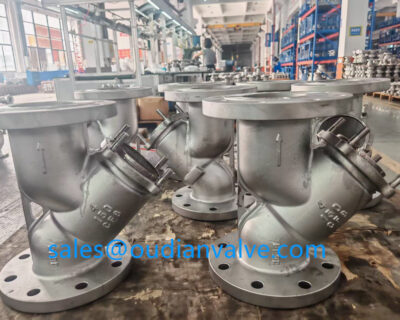
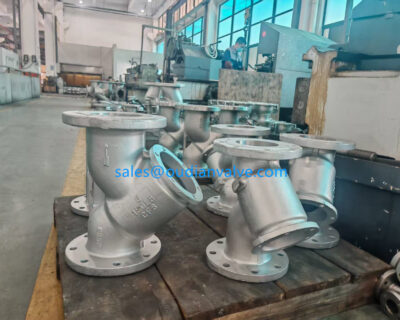
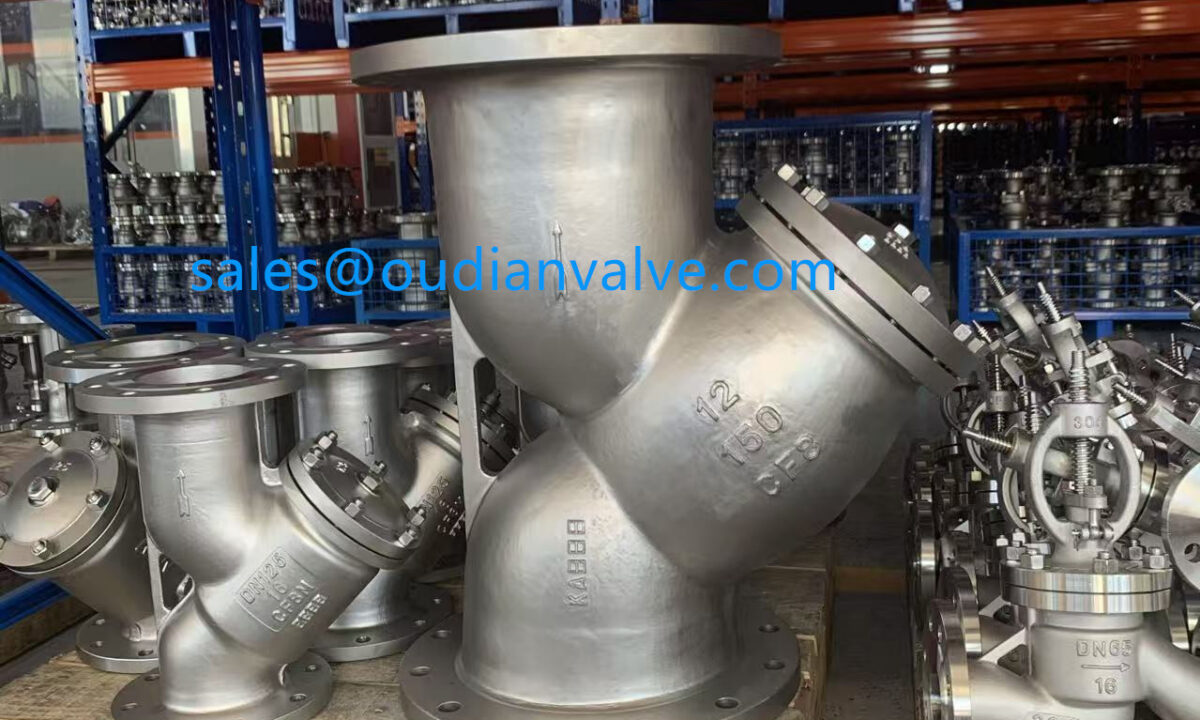
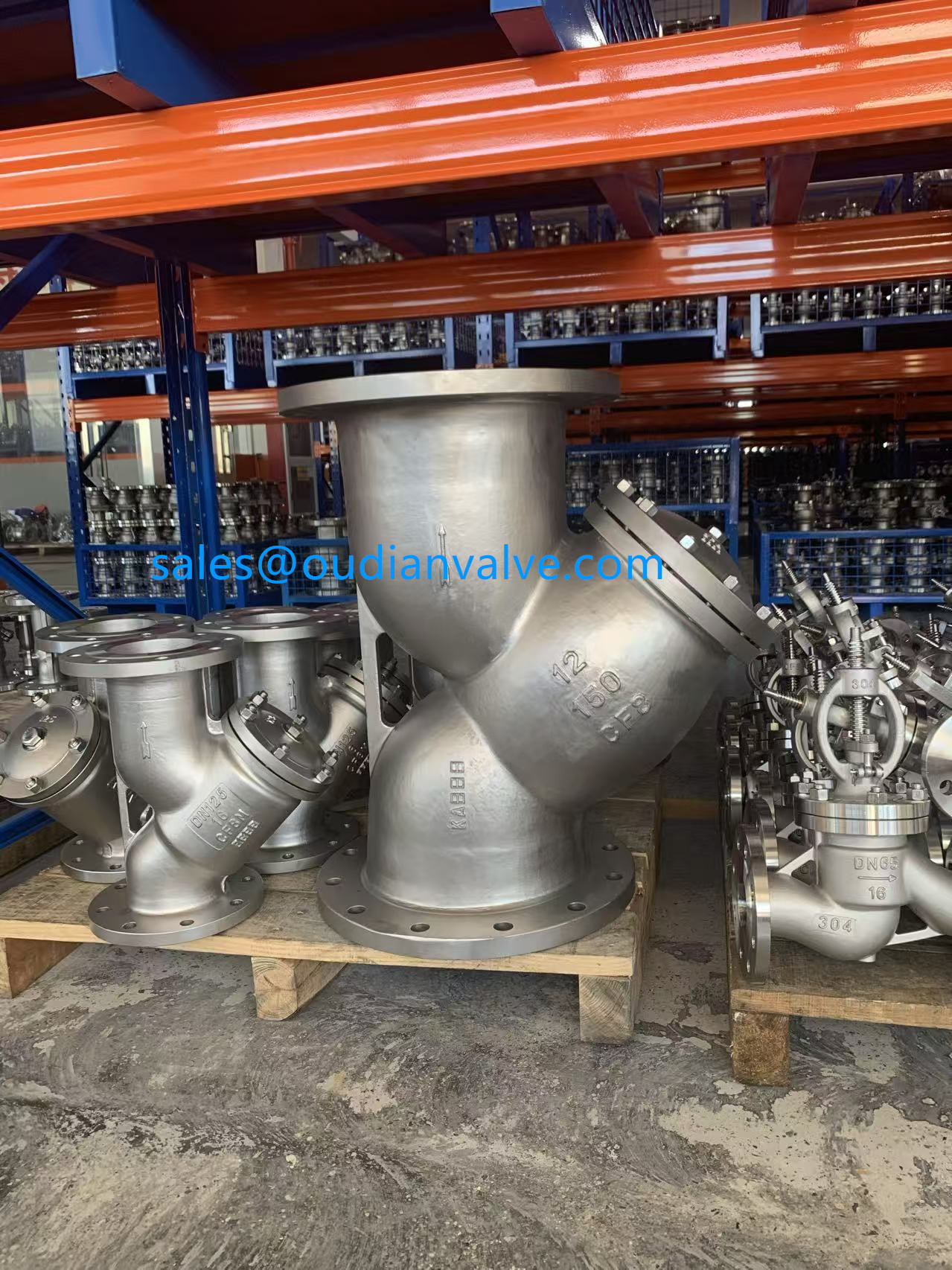
UN y-type strainer features a body shaped like the letter Y, where the filtration leg branches off the primary flow axis at an acute angle. Fluid enters the inlet, passes through a cylindrical perforated metal or wire mesh screen, and exits the inline outlet. Coarse solids and dirt collect within the angled pocket, which often includes a blow-off port on the retaining cap to allow blowdown flushing while the line remains pressurized.
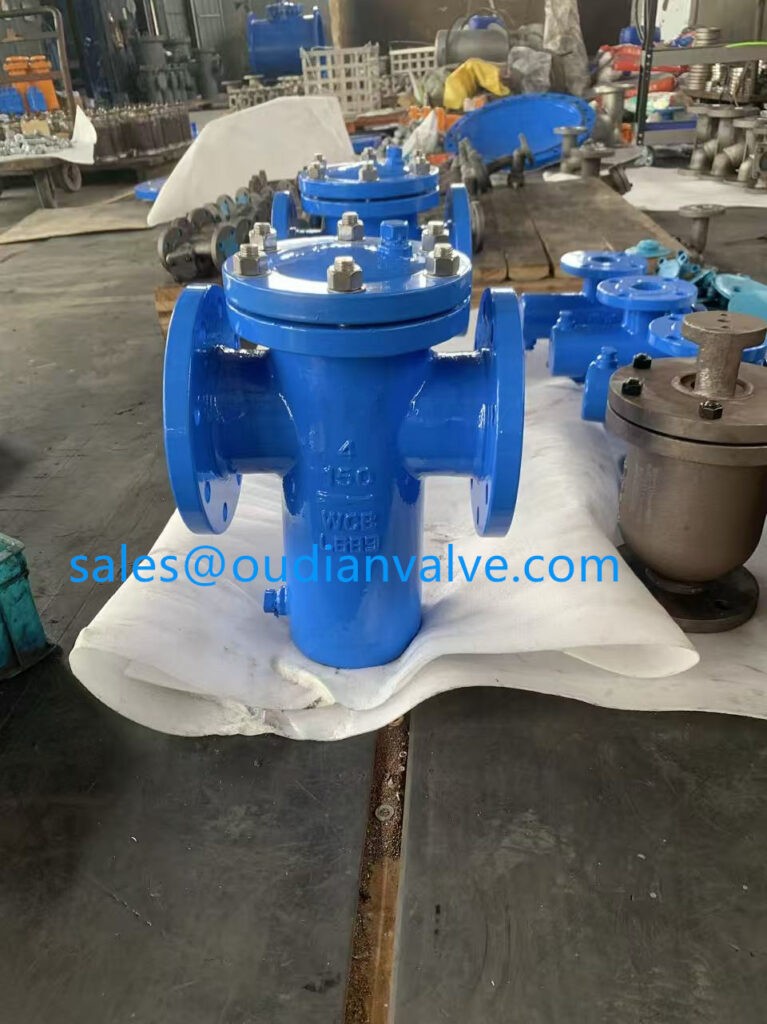
A t-type strainer forms a tee shape perpendicular to the main flow line, creating a roomy cavity positioned ninety degrees to the pipeline axis. Depending on the manufacturer, this design is commonly referred to as a tee strainer, a basket-style strainer, or a pot-style strainer. The fluid enters the inlet outlet chamber, turns down or across into an upright perforated basket screen, and exits on the opposite side. This layout forces heavier particles to settle into the base of the chamber, shielding downstream equipment from abrasive particulate accumulation.
Y-Type Geometry
An angled screen leg creates a streamlined interior path suited for compact spaces and continuous processes.
T-Type Geometry
A perpendicular body chamber accommodates a wide basket, creating ample volume for heavy particle collection.
Terminology Differences
Manufacturers often use the terms pot-style and basket strainer interchangeably with T-type models due to similar internal basket designs.
Flow Capacity, Pressure Drop, and Filtration Metrics
Flow dynamics within a pipeline dictate the efficiency of pumps and downstream valves. Geometric differences between Y and T configurations directly impact hydraulic resistance and fluid velocity.
Differential pressure measures the resistance across the filter element as fluid moves through the screen. Because a t-type strainer incorporates a larger internal chamber and a broader screen surface area, it yields a lower clean pressure drop than an equivalent Y-body. T-type strainers offer higher flow capacity across large pipe diameters, maintaining flow stability in high-volume water and chemical systems. The higher flow capacity of the T design reduces mechanical load on feed pumps.
Debris-holding capacity represents another significant operational difference y-type units display when compared to T-style models. A y-type strainer holds limited dirt within its compact leg, making it suitable for clean process fluids or closed-loop systems with minor scaling. When lines carry heavy suspended solids, a T strainer or basket-style unit functions for longer intervals before requiring cleanout. For gas and high-pressure steam distribution, the compact envelope and structural strength of the Y design provide resilient performance against thermal shock and pressure transients.
Y-Type Performance Profile
- Handles high-pressure steam and gases
- Compact structural footprint
- Smaller particulate storage area
- Higher differential pressure as solids collect
T-Type Performance Profile
- Higher flow capacity with lower pressure drop
- Large internal volume for particulate storage
- Exceptional performance in liquid service
- Requires top or bottom clearance for basket extraction
Comprehensive Y Strainer vs T Strainer Comparison
Selecting between these two filtration designs requires balancing physical envelope constraints, operational pressure, and routine maintenance access. Reviewing key engineering attributes side by side clarifies their operational distinctions.
| Caratteristica | Filtro a Y | T Strainer | Operational Considerations |
| Flow Orientation | Horizontal or Vertical | Horizontal Only | Y-type strainers allow vertical downward flow installations. |
| Caduta di pressione | Da moderato ad alto | Basso | T-type strainers offer lower differential pressure across larger screens. |
| Debris Capacity | Low to Moderate | Alto | T strainers store more debris before flow restriction occurs. |
| Space Requirement | Compact Footprint | Larger Footprint | Y models fit tightly clustered mechanical rooms. |
| Servicing Method | Blowdown or Cap Removal | Top Cover Removal | T strainers permit easy top basket extraction without line drainage. |
| Steam Suitability | Preferred Choice | Limited Suitability | Y bodies resist structural stress in thermal cycles. |
| Initial Cost | Lower Cost | Higher Cost | T units require more casting metal and larger body fabrication. |
The structural difference y-type strainers maintain against T-type strainers influences total installation cost. Cast iron, bronze, carbon steel, and stainless steel form the foundation of both types, but the extra material required for T-shaped housings generally increases fabrication costs. Facility managers must weigh upfront equipment costs against ongoing service intervals.
Key Selection Factors for Piping Systems
Determining the correct pipeline strainer requires a thorough evaluation of fluid behavior, operating conditions, and maintenance accessibility. An improper choice can lead to frequent clogging, eroded valve seats, or broken pump impellers.
Fluid type represents the primary sorting factor. Saturated or superheated steam and pressurized gases favor a y-type strainer because condensate drains efficiently and the rigid body handles high pressure without excessive wall thickness. Viscous liquids, cooling water, and petrochemical fluids with suspended solids favor a t-type strainer due to its open flow dynamics. In water treatment facilities, handling raw intake water demands the large capacity of a T-type or pot-style basket to prevent rapid plugging.
Screen mesh selection must balance downstream equipment protection with operating pump head. A fine screen captures tiny particles but increases differential pressure rapidly. Material selection must also match operating temperatures and corrosive elements; cast iron remains standard for non-critical water, while stainless steel or specialty alloys serve corrosive chemicals and high temperatures.
When to Specify a Y Strainer
- Steam lines and condensate return networks
- Vertical piping runs with downward flow
- Systems with limited physical installation space
- Applications where frequent blowdown flushing is sufficient
When to Specify a T Strainer
- Pipelines demanding low differential pressure
- Systems carrying high concentrations of solids
- Applications requiring fast top-access basket servicing
- Suction lines directly upstream of process pumps
Installation Practices, Servicing, and Common Errors
Proper installation and regular maintenance ensure that pipeline strainers perform reliably throughout their design life. Incorrect piping layout or neglecting element cleaning introduces avoidable flow disruptions.
When installing a y-type strainer in horizontal runs, orient the screen leg downward so debris collects in the pocket rather than sitting in the main pipeline bore. In steam service, position the Y-leg horizontally to prevent condensate pooling, which helps avoid water hammer damage. For vertical piping, y-type strainers must only be installed in lines with downward flow, allowing gravity to pull particulates into the collection leg. Installing a blow-off valve on the Y-strainer cap permits regular flushing of solids without halting the process.
A t-type strainer installs primarily in horizontal pipelines. Technicians need sufficient clearance above the body to lift the basket screen straight out during servicing. If clearance is restricted by overhead structural members, maintenance crews cannot extract the basket, forcing line shutdowns or piping removal.
Never install a strainer backward relative to fluid direction arrows cast into the housing. Reverse flow forces trapped debris against the unsupported inside face of the screen, creating catastrophic element collapse and sending metal fragments directly into downstream equipment.
Another frequent oversight involves neglecting differential pressure monitoring. Operating without pressure gauges on both the inlet and outlet makes it impossible to know when screen clogs occur. Always include isolation valves and a bypass loop around the strainer to maintain system operation while cleaning or replacing internal elements.

Frequently Asked Questions About In-Line Strainers
Can a Y strainer be installed in vertical piping runs?
Yes, a Y strainer can operate in vertical pipelines provided the fluid flows downward. Downward flow allows trapped particles to settle naturally into the angled screen pocket rather than falling back into the pipeline.
Why does a T strainer produce a lower pressure drop than a Y strainer?
A T strainer features a larger internal body cavity and a wider basket screen surface area than a comparable Y-body. The expanded flow area reduces fluid velocity across the screen mesh, resulting in lower differential pressure loss.
What is the difference between a pot strainer and a T strainer?
In industrial piping, manufacturers often use the terms interchangeably because both utilize a tee-shaped housing containing a vertical basket. Some pot strainers feature an expanded chamber designed to hold exceptionally large particulate volumes.
Which strainer is better suited for high-pressure steam lines?
A Y strainer is the standard choice for steam service due to its compact profile and resistance to extreme thermal and pressure stresses. Its angled leg can be mounted horizontally to prevent condensate pooling that leads to water hammer.
How does a blow-off valve work on a pipeline strainer?
A blow-off valve threads directly into the strainer cap port to allow manual or automated flushing of accumulated solids. Opening the valve uses pipeline fluid pressure to purge particles from the screen pocket without dismantling the unit.
Selecting the Right Pipeline Strainer
Choosing between a Y strainer and a T strainer comes down to space constraints, fluid type, and acceptable maintenance frequency. High-pressure steam and compact piping configurations demand the rigid footprint of a Y strainer, while high-volume liquid systems benefit from the low pressure drop and generous basket capacity of a T strainer. Matching the housing profile, screen mesh, and servicing clearance to process demands protects sensitive downstream equipment and supports continuous pipeline reliability.
Decision Checklist: Select a Y strainer for steam, gas, vertical downward flow, and tight envelopes where blow-off purging suffices. Choose a T strainer for pump suction protection, high-solids water systems, and installations requiring top-pull basket access with minimal pressure loss.