


The Valve Manufacturing Industry
Selecting the proper valve configuration depends on operating pressure, fluid corrosiveness, temperature ranges, flow characteristics, and regulatory compliance standards. Modern valve manufacturers balance precise mechanical engineering with metallurgy, smart actuator technology, and rigorous safety verification to support dependable fluid handling.

Primary Types of Industrial Valves and Mechanical Operation
Industrial valves fall into several distinct mechanical categories based on their internal closure mechanisms and intended fluid control duties. Each design offers specific advantages for on-off isolation, precise throttling, backflow prevention, or pressure relief.
Quarter-turn designs, such as ball and butterfly valves, offer rapid actuation and compact profiles for pipeline isolation. Multi-turn linear valves, including gate and globe valves, provide robust mechanical leverage for high-pressure sealing and precise flow regulation. Check valves operate automatically through fluid dynamic forces to prevent backflow without requiring external power or manual intervention.
| Tipo di valvola | Motion | Primary Function | Typical Service Description |
| Valvola a sfera | Quarter-turn | Tight isolation | Provides bubble-tight shutoff in chemical, oil, and gas transmission systems. |
| Valvola a saracinesca | Multi-turn | Full-bore isolation | Minimizes pressure drop across fully open lines handling steam or viscous fluids. |
| Valvola a globo | Linear motion | Flow throttling | Allows precise rate adjustments despite higher internal resistance and pressure drop. |
| Valvola a farfalla | Quarter-turn | Large-volume control | Balances weight, cost, and quick actuation in large-diameter municipal and cooling lines. |
| Valvola di ritegno | Automatic | Backflow prevention | Protects pumps and rotating equipment from reverse fluid surge and water hammer. |
| Plug Valve | Quarter-turn | Extreme isolation | Handles slurries and aggressive media through a cylindrical or tapered sealing element. |
Materials and Metallurgy in Valve Production
Material selection represents the initial step in valve manufacturing, dictating mechanical strength, thermal limits, and corrosion resistance. Chemical exposure, mechanical erosion, and thermal cycles require metallurgical compatibility between fluid media and valve bodies.
Carbon steel serves as the foundational structural alloy for standard oil, water, and steam applications due to its high tensile strength and weldability. For corrosive environments, such as sour gas fields, offshore platforms, and acid handling, foundries utilize austenitic stainless steel, duplex alloys, and nickel-based superalloys. Elastomeric and polymer compounds, including PTFE, PEEK, and synthetic rubbers, form resilient seating surfaces when absolute zero-leakage shutoff is required.
Forged and Cast Metal Alloys
- Provide exceptional structural integrity under high working pressures.
- Withstand high operating temperatures without structural deformation.
- Support hardfacing overlays to resist particulate erosion and cavitation damage.
Polymer and Soft Seating
- Temperature limits prevent deployment in extreme thermal or fire-hazard lines.
- Susceptible to mechanical tear damage from abrasive particulates in slurries.
- Subject to chemical swelling or embrittlement if matched with incompatible solvents.
Manufacturing Processes and Production Methods
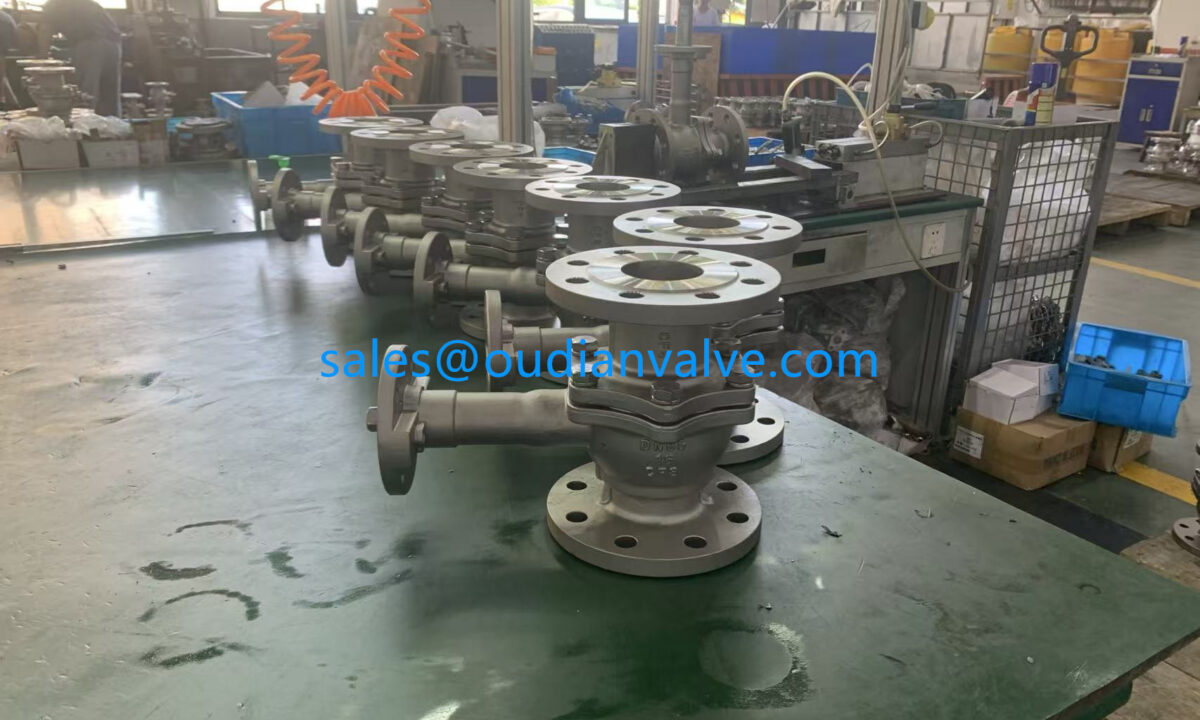
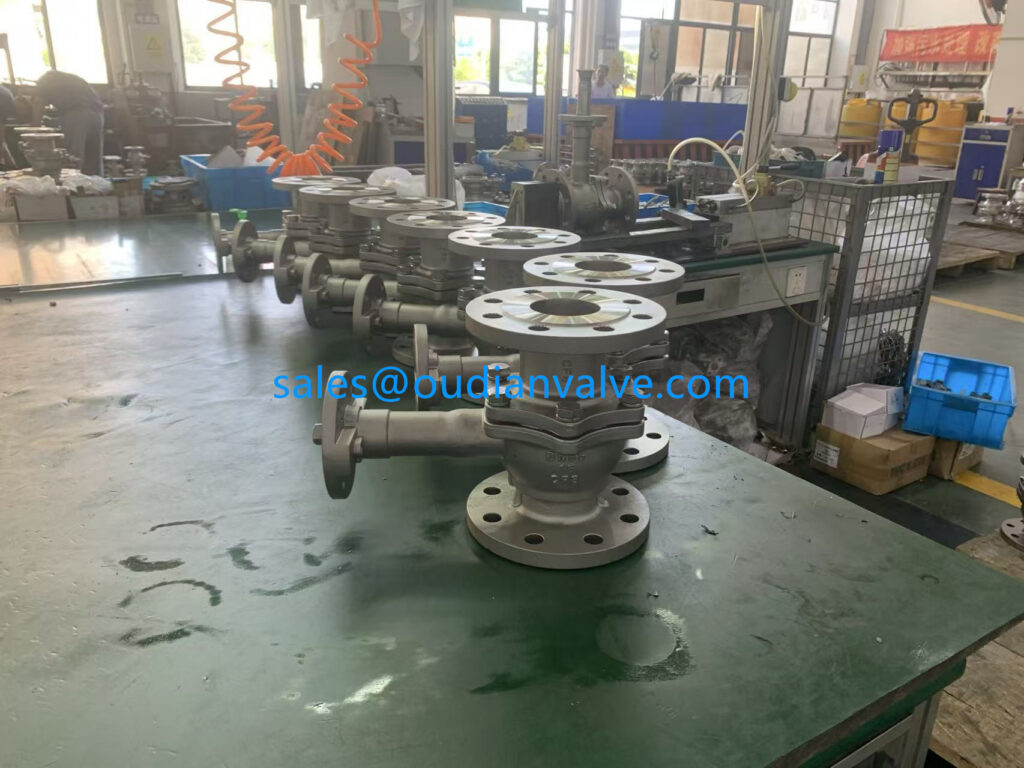
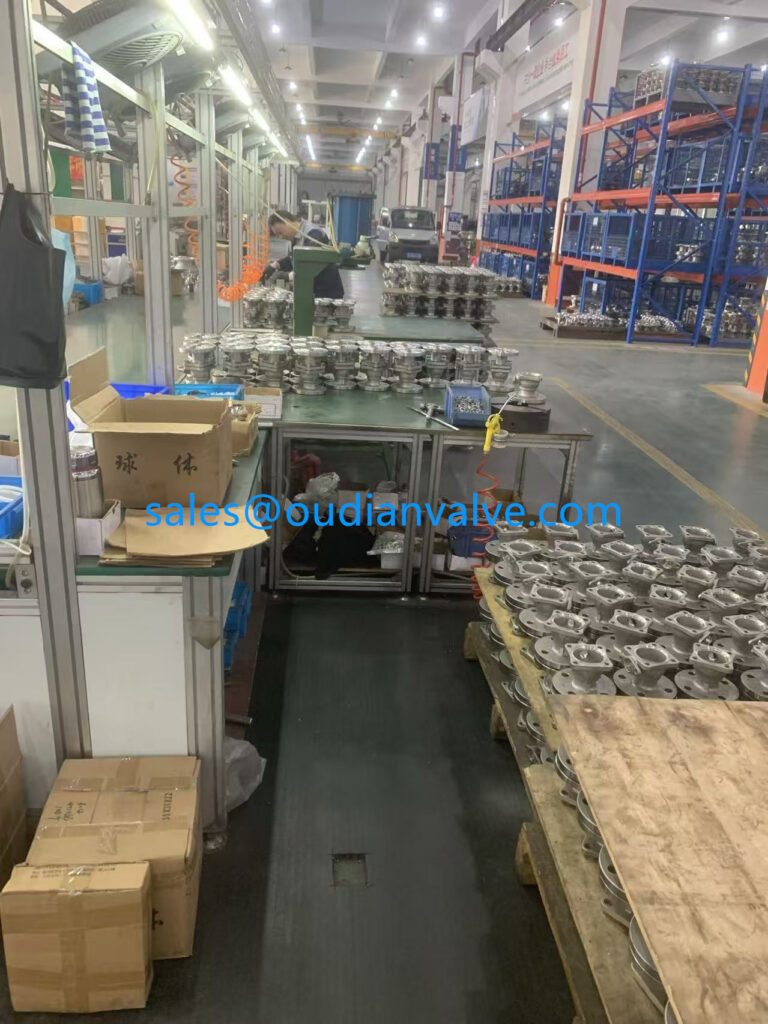
Modern valve manufacturing combines heavy metal founding with high-precision machining, robotic assembly, and extensive surface treatment. Production starts with raw metal stock, which is formed through either sand casting, investment casting, or hot closed-die forging.
Forged bodies deliver superior grain structure and impact resistance, making them standard for severe-service high-pressure lines. Castings allow intricate internal flow passages and large body geometries suitable for municipal, marine, and refining applications. Following forming, multi-axis computerized numerical control (CNC) machining centers mill internal cavities, bore seats, drill flange patterns, and polish sealing stems to fine micro-inch surface finishes.
- Foundry melting and shaping produces raw cast or forged shells with defined metallurgical grain boundaries.
- Rough CNC turning removes excess material and profiles body end connections, flanges, and bonnet cavities.
- Heat treatment cycles normalize, quench, or temper metal structures to relieve stress and establish target hardness.
- Precision finish grinding polishes critical sealing surfaces, balls, plugs, and discs to tight tolerances.
- Protective coating operations apply epoxy, nickel plating, or hard-facing alloys across vulnerable wear zones.
- Assembly technicians integrate body shells, stems, seals, packing sets, and mechanical actuators into complete units.

Quality Assurance, Testing, and Regulatory Standards
Industrial flow control demands rigorous compliance verification to prevent catastrophic failures, personal injury, and environmental releases. Manufacturers build products to harmonize with established regional and international engineering specifications.
Standard bodies define mandatory testing parameters for pressure retention, shell integrity, seat leakage, and fugitive emissions. Hydrostatic pressure testing subjects valve bodies to elevated fluid pressures to confirm wall strength and weld soundess. Pneumatic testing verifies bubble-tight shutoff across internal closure elements. Non-destructive examination methods, including ultrasonic testing, radiographic inspection, and magnetic particle screening, identify internal voids or cracks before components leave production facilities.
Adherence to standards established by organizations like the American Petroleum Institute (API), American Society of Mechanical Engineers (ASME), and International Organization for Standardization (ISO) confirms dimensional interchangeability and pressure-temperature compliance across demanding plant environments.

Key Sector Applications Across Critical Infrastructure
Industrial valves control fluid dynamics across virtually all major modern production and resource distribution sectors. Operating environments vary from deep ocean exploration systems to high-purity pharmaceutical piping networks.
Each application presents unique mechanical and operational constraints. Refining networks handle explosive hydrocarbons at extreme temperatures. Chemical processing units require non-reactive liners to handle corrosive acids and alkalis. Municipal water infrastructure handles immense volumes requiring durable, low-maintenance valves with long service cycles.
Oil and Gas Extraction
Valves manage high wellhead pressures, multiphase fluid flow, and sour gas transport. Subsea and transmission systems require fire-tested, full-bore designs that accommodate internal pipeline inspection tools.
Acqua e acque reflue
Municipal networks employ resilient-seated butterfly and gate valves to regulate potable supplies and process sewage slurries. Equipment must resist microbial corrosion, cavitation, and particulate abrasion over extended operating periods.

Power Generation
Thermal, nuclear, and combined-cycle plants operate steam loops under intense thermal and mechanical stress. Specialized bypass, stop, and relief valves maintain balance across boilers, superheaters, and cooling cooling towers.
Drivers Shaping the Valve Manufacturing Industry
Global demand for industrial valves continues to expand alongside worldwide investments in infrastructure modernization and industrial manufacturing. Energy sector evolution, urban expansion, and environmental governance direct modern procurement investments.
The rehabilitation of aging municipal water infrastructure drives substantial valve replacement initiatives across developed regions. Concurrently, rapid expansion of chemical processing plants, semiconductor cleanrooms, and liquefied natural gas (LNG) terminals creates demand for specialized, high-spec flow equipment. Energy transition projects, such as carbon capture installations, hydrogen transport, and modern power generation, require innovative valve designs capable of handling cryogenic fluids and volatile gases.
- Investments in global LNG liquefaction and regasification terminals demand cryogenic valve packages.
- Municipal replacements prioritize corrosion-resistant materials to reduce water distribution losses.
- Expanding pharmaceutical and microelectronics production requires clean, electro-polished sanitary valves.
- Global emission reduction mandates accelerate retrofits of low-emission packing assemblies on legacy installations.
- Industrial automation initiatives encourage retrofitting manual units with electric and pneumatic actuators.
Technology Trends: Automation, Smart Valves, and Digitalization
The valve manufacturing industry is evolving from purely mechanical fabrication toward integrated electro-mechanical flow solutions. Plants rely heavily on automated distributed control systems to monitor processes remotely and optimize overall throughput.
Smart valves equipped with microprocessors, position transmitters, and digital communication protocols report real-time operational metrics directly to maintenance platforms. Additive manufacturing also plays a growing role, allowing foundries and fabrication centers to produce custom valve trim with complex internal geometries designed to eliminate cavitation.
Smart Actuation
Digital actuators provide real-time status reporting, torque sensing, and remote calibration across industrial data networks.
Predictive Diagnostics
Integrated sensors detect stem friction changes, seat erosion, and diaphragm fatigue before catastrophic mechanical failure occurs.
Additive Trim
Direct 3D metal printing enables multi-stage tortuous flow paths within valve trims that significantly quiet noisy steam lines.

Operational and Supply Chain Challenges Facing Manufacturers
Valve manufacturers navigate complex operational hurdles, including volatile raw material pricing, shifting trade policies, and strict environmental emissions rules. Fluctuations in nickel, molybdenum, and iron prices influence base production expenses.
Fugitive emissions represent a key technical challenge, as petrochemical facilities face pressure to eliminate volatile organic compound leaks from valve stem packings. Addressing these demands requires investments in certified low-leakage packing designs and stringent factory production audits. Furthermore, finding skilled machinists, certified welders, and metallurgical engineers remains an ongoing constraint across North American and European production hubs.
Incompatible valve stem packing materials or improper bolting torque during field maintenance can compromise fugitive emissions compliance, leading to premature environmental seal breakdown.

Evaluating Valve Manufacturers and Selecting Suitable Valves
Procuring valves for industrial projects involves assessing technical specifications alongside supplier manufacturing capabilities. Specifiers evaluate total cost of ownership, spare parts availability, and engineering support rather than focusing strictly on purchase price.
A structured evaluation matches process parameters against manufacturer testing credentials, regional certifications, and quality track records. Facility managers often compare specialized niche fabricators against broad-line commodity producers to identify the right partner for critical versus non-critical loops.
Critical Severe-Service Loops
- Requires certified materials with full chemical and physical traceability reports.
- Demands specialized alloy bodies and stellite hardfaced seating trims.
- Mandates factory hydrostatic, pneumatic, and non-destructive testing verification.
- Involves engineered actuation packages with redundant diagnostic controls.
General Utility Services
- Utilizes standard carbon steel, ductile iron, or bronze valve castings.
- Relies on standard elastomeric or polymer seats for cost balance.
- Follows broad industry standard pressure ratings without bespoke design steps.
- Employs manual handwheels, gear operators, or basic utility actuators.
Future Outlook for Industrial Valve Manufacturing
The valve manufacturing industry continues to integrate advanced materials, automation, and sustainable production practices into core operations. Decarbonization initiatives across the refining and chemical sectors require hardware capable of containing light hydrogen molecules and managing high-pressure carbon dioxide streams.
Facilities will increasingly adopt automated flow hardware to lower maintenance labor and improve operational safety. Foundries and machine shops continue modernizing their processes, leveraging computational fluid dynamics to streamline internal valve passages and reduce flow restrictions.
Emerging applications in carbon capture, hydrogen transportation, and renewable fuel refining present growing demand for high-specification valve designs capable of handling non-traditional fluid dynamics.

Frequently Asked Questions About Industrial Valve Manufacturing
What standards govern industrial valve production?
Organizations including ASME, API, and ISO publish core standards that establish dimensions, pressure-temperature ratings, testing procedures, and material specifications for industrial valves. Compliance with these criteria helps maintain safety and interchangeability across global processing operations.
How do manufacturers prevent valve stem leakage?
Manufacturers utilize precision-machined stem surfaces paired with low-emission packing systems, live-loaded gland springs, and secondary O-ring seals. These engineered packing sets maintain uniform pressure against the stem to contain process fluids effectively.
What is the difference between cast and forged valves?
Cast valves are formed by pouring molten metal into molds, making them practical for intricate internal geometries and large line sizes. Forged valves are shaped under intense mechanical pressure, producing a denser grain structure suitable for severe, high-pressure conditions.
Why is material selection critical in valve manufacturing?
Material selection dictates whether a valve body and its internal trim can withstand fluid corrosion, mechanical erosion, and thermal expansion over time. Incorrect metallurgy can lead to accelerated wall thinning, seat degradation, or catastrophic pressure containment failure.
How does automation affect industrial valve performance?
Automating a valve with pneumatic or electric actuators allows remote control, precise modulation, and automated shutdown sequences without manual intervention. Integrated digital positioners also supply diagnostic data that supports predictive maintenance strategies.
Advancements in Modern Industrial Flow Control
The valve manufacturing industry remains an indispensable pillar of modern industrial infrastructure, providing the critical mechanical components that regulate fluid movement safely across the world. Continued developments in metallurgy, smart actuation, and emission containment help processing facilities achieve higher efficiency and operational dependability. Strategic valve selection and rigorous manufacturer vetting protect plant investments and sustain long-term pipeline integrity.