

Needle Valve vs Ball Valve: Key Differences
Selecting between these valve designs depends on whether a system requires calibrated flow throttling or dependable, low-resistance fluid isolation. Operating pressure, temperature extremes, media cleanliness, and required cycle speed determine which design maintains process safety and efficiency.
Operating Mechanisms and Internal Valve Design
Internal geometry defines the operational mechanics and flow characteristics of each valve type. Needle valves utilize linear stem movement to adjust fluid passages incrementally, while ball valves rely on rotary quarter-turn action for quick repositioning.
A needle valve contains a slender, needle-shaped plunger machined with fine threads that advance or retract the tapered tip into a conical seat. Multiple complete turns of the handwheel produce microscopic changes in the annular clearance around the orifice. This mechanical arrangement creates steady resistance, allowing delicate adjustments in pressurized gas or liquid lines.
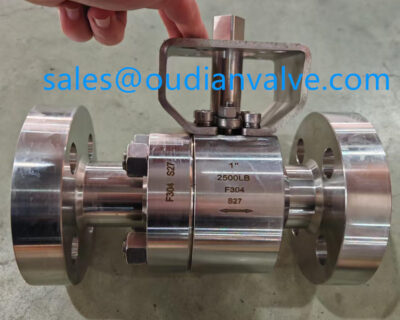
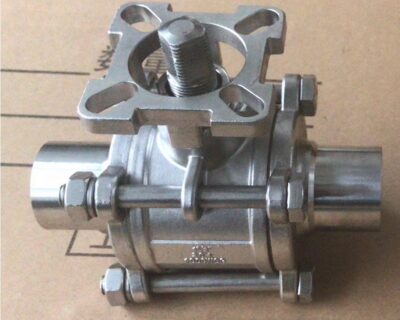
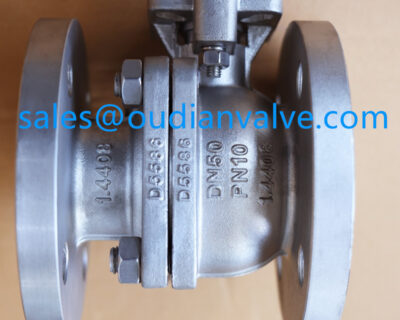
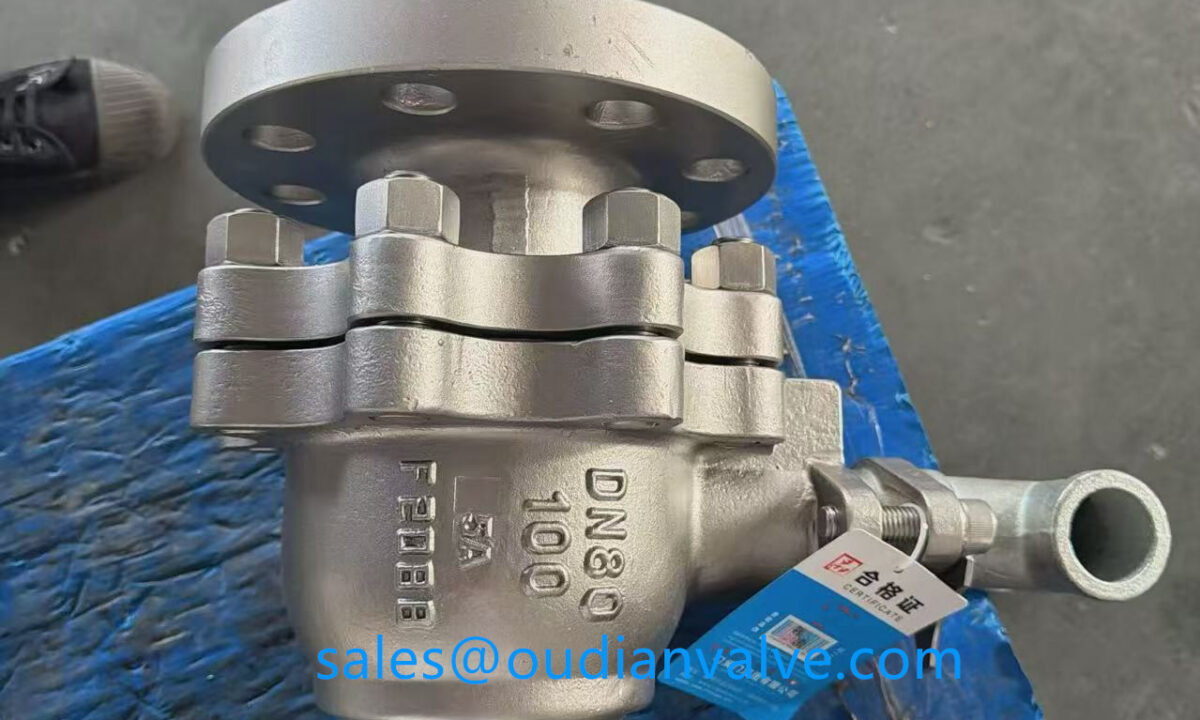
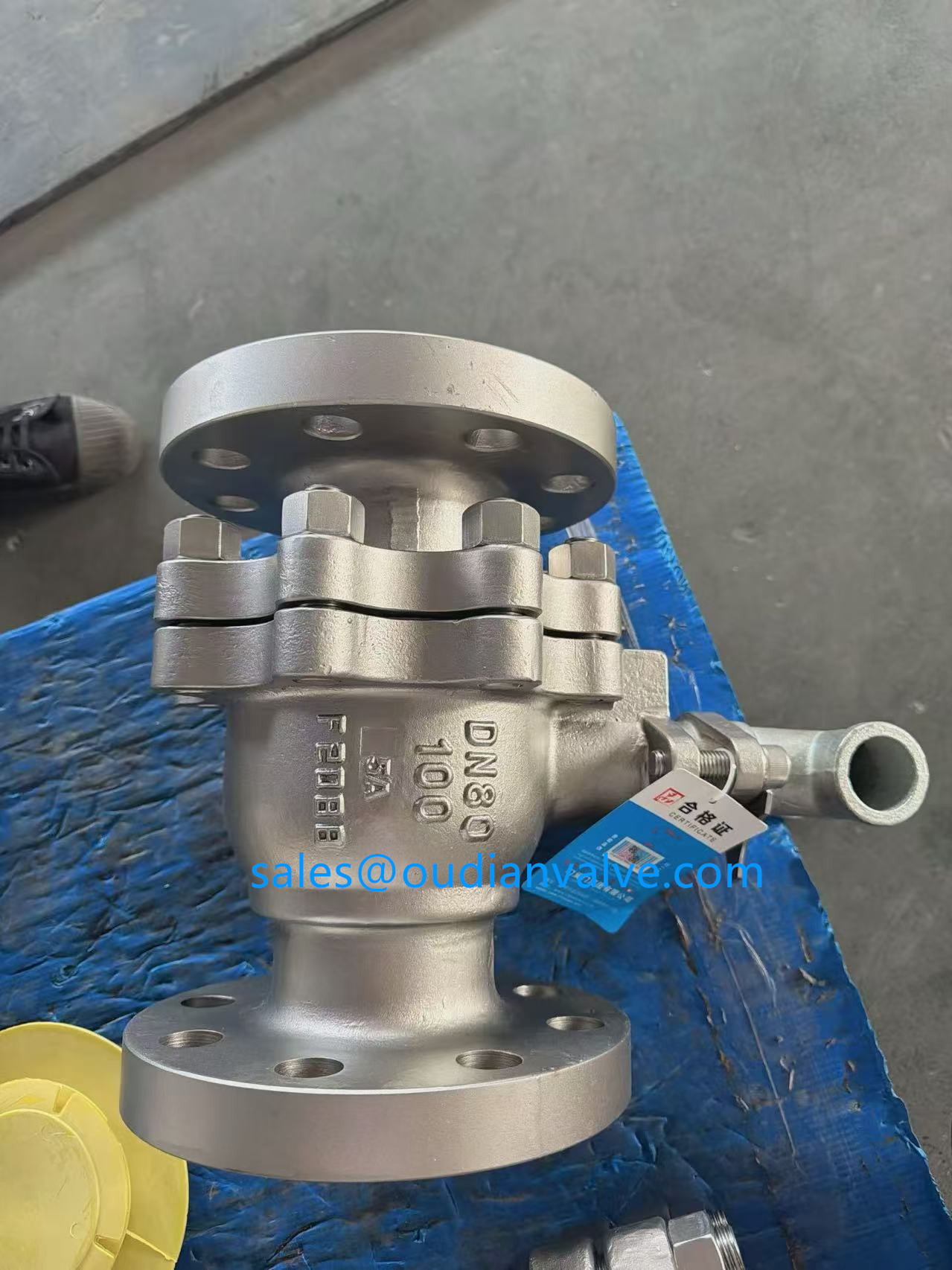
A ball valve positions a perforated metal sphere between two resilient or metallic seats inside the valve cavity. Turning the handle a quarter turn aligns the internal bore with the pipe axis to open fluid flow or turns it perpendicular to halt flow completely. The spherical sealing surface seals tightly against the downstream seat under line pressure.
Needle Valve Internals
Fine stem threads drive a tapered plunger into a matched metal seat, generating high flow restriction across a narrow orifice for micro-metering.
Ball Valve Internals
A central ported sphere pivots between elastomer or metal seats, producing an unobstructed straight-through path when fully open.

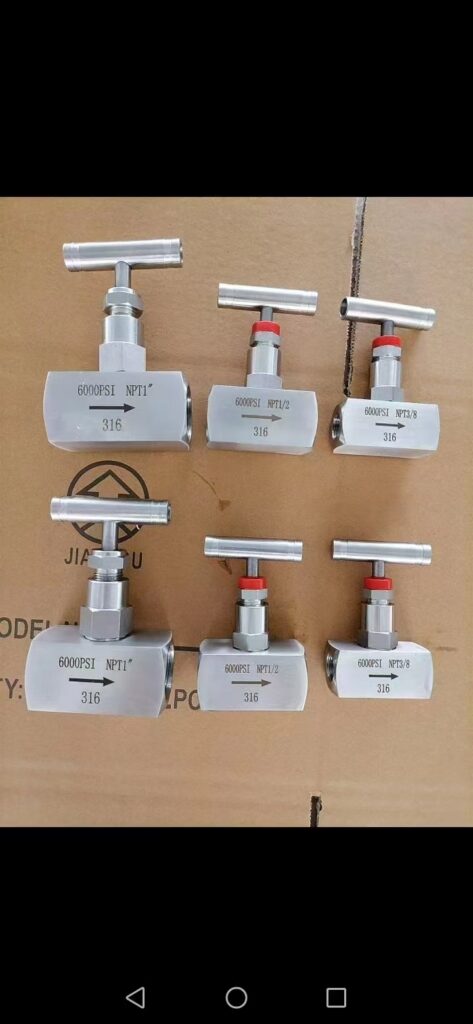
Linear needle valves feature multi-turn handles for microscopic orifice positioning.
Flow Control and Shutoff Performance
Fluid dynamics differ substantially between restrictive metering orifices and unobstructed bore passages. Needle valves excel at fine-tuning discharge rates, whereas ball valves provide immediate line shutoff with minimal energy loss.
Throttling with a needle valve produces a linear flow response across multiple handle rotations. Fluid passes through narrow, convoluted pathways that generate deliberate pressure drops, preventing rapid surge surges and pressure shocks. This behavior makes needle valves ideal flow control valves in sampling lines, gas blending systems, and gauge dampeners.
Attempting to throttle flow with a standard valvola a sfera exposes the seating material to concentrated fluid velocity and cavitation. Because fluid velocity spikes around the partially exposed edge of the spherical bore, soft seat inserts can deform or erode quickly. Fully opened ball valves, in contrast, introduce virtually no flow restriction, maintaining system pressure and high volumetric delivery.
Operating a standard ball valve in a partially cracked position accelerates seat wear and risks internal leakage. Needle valves are specifically built to withstand sustained high-velocity flow through a constricted passage.
Quarter-turn ball valves provide immediate isolation with minimal line restriction.
Pressure, Temperature, and Maintenance Demands
Material construction and sealing mechanics dictate how each valve responds to operational stress over time. Industrial environments require balanced consideration of operating pressures, thermal cycling, and routine component servicing.
High pressure systems frequently employ forged stainless steel needle valves with metal-to-metal seats capable of managing intense compressive stresses. Because the tapered plunger seals directly against the body without soft elastomeric components, these valves tolerate severe operating temperatures. Maintenance typically involves stem packing repacking or needle tip replacement when particulate scoring occurs.
Stainless steel ball valves often rely on fluoropolymer seats to achieve bubble-tight shutoff at moderate temperatures. Thermal expansion can cause soft seats to extrude or degrade if process limits are exceeded, although specialized metal-seated configurations withstand harsher environments. Maintenance for ball valves centers on replacing worn seat rings, body gaskets, and stem thrust washers after extended cycling.
Abrasive slurries and suspended particulate matter score the delicate needle-shaped plunger in needle valves, impairing sealing ability. Ball valves handle slightly dirty media more effectively, though hard solids can still scratch ball surfaces.
Routine servicing protects sealing integrity in high-cycle fluid systems.
Needle Valve vs Ball Valve Comparison
Direct comparison of key engineering attributes simplifies valve selection across critical process parameters. The operational trade-offs reflect differing design goals for flow metering versus fluid isolation.
| Parametro | Needle Valve | Valvola a sfera | Functional Difference |
| Controllo del flusso | Precise | Povero | Needle designs provide fine metering across turns. |
| Actuation Speed | Multi-turn | Quarter-turn | Ball handles rotate ninety degrees for rapid shutoff. |
| Caduta di pressione | Alto | Molto basso | Full-port ball valves offer nearly unrestricted flow. |
| Port Size Range | Small | Wide | Needle units suit small lines; ball units scale large. |
| Seat Construction | Metal | Soft or Metal | Metal needle seats withstand severe thermal shifts. |
| Throttling Wear | Basso | Alto | Partial ball opening erodes soft seat rings quickly. |
Needle valves prioritize control accuracy at the expense of flow capacity, whereas ball valves prioritize high conductance and quick operation. Sizing criteria reflect these structural realities across piping layouts.
Advantages and Disadvantages of Each Valve Type
Each valve architecture presents distinct operational strengths alongside inherent system limitations. Evaluating these balances guides proper placement in industrial piping and control circuits.
Needle Valve Advantages
- Exceptional precision when regulating minute gas or liquid flow rates.
- Durable metal-to-metal seating performs well under severe pressures and thermal ranges.
- Gradual shutoff reduces the risk of water hammer and sudden line surges.
Needle Valve Limitations
- Substantial flow restriction causes a significant pressure drop across the body.
- Multi-turn operation prevents immediate or automated rapid line shutdown.
- Narrow internal channels plug easily when handling fluids with suspended solids.
Ball Valve Advantages
- Quarter-turn actuation provides immediate open and closed status verification.
- Straight-through bore design yields high flow rates with negligible head loss.
- Bubble-tight shutoff protects downstream equipment in high-capacity pipelines.
Ball Valve Limitations
- Poor throttling capability makes fine flow control impractical.
- Fast manual closure can induce destructive hydraulic shock in liquid systems.
- Cavitation and seat erosion occur rapidly during sustained partial-opening use.
Visual handle position on ball valves provides rapid confirmation of valve status.
Choosing the Right Valve for the Application
System goals determine whether fine regulation or fast isolation takes precedence during specification. Analyzing fluid purity, required flow velocity, and cycle frequency leads to the correct mechanical choice.
Instrumentation lines, chemical injection loops, and calibration benches depend on the metering ability of a needle valve. These units protect delicate pressure gauges from sudden pressure surges and allow steady calibration of analytical equipment. In gas chromatography, laboratory sampling, and hydraulic test stands, small-bore needle valves provide the exact restriction required to stabilize downstream measurements.
Main distribution pipes, cooling lines, and general utility headers rely on ball valves for on/off shutoff service. Emergency isolation systems require immediate quarter-turn action to stop media movement without delay. Compressed air loops, water treatment distribution lines, and bulk fuel transport benefit from the unrestricted bore of ball valves, which minimizes pumping power losses.
Select a Needle Valve For
- Flow calibration and analytical sampling systems.
- Continuous pressure dampening ahead of sensitive instruments.
- Fine metering of low-viscosity gases and hydraulic liquids.
- Operations requiring controlled, slow pressure bleed-down.
Select a Ball Valve For
- Primary system isolation and emergency line shutdown.
- High-volume fluid transfer demanding low flow resistance.
- Quick visual verification of open or closed valve status.
- General utility piping handling clean liquids or industrial gases.
Full-port ball valves minimize pumping losses across primary distribution systems.
Domande frequenti
Can a ball valve be used for throttling flow?
Standard ball valves perform poorly as throttling devices because high fluid velocity damages the exposed seat edges. Throttling creates severe turbulence and cavitation, leading to premature seat degradation and seat leakage.
Why do needle valves cause a large pressure drop?
Needle valves route fluid through a narrow, restrictive internal orifice obstructed by a tapered plunger. This constricted pathway intentionally introduces high resistance to allow controlled fluid metering.
Which valve type seals better for high pressure gas?
Both valve designs can seal high pressure gas when matched with suitable seat materials. Needle valves with hardened metal-to-metal seats offer dependable service in small-bore high pressure lines, while soft-seated ball valves provide bubble-tight shutoff in larger diameters.
How does actuation speed differ between needle valves and ball valves?
Ball valves operate via a quarter-turn mechanism that opens or closes the flow path in a fraction of a second. Needle valves feature multi-turn threaded stems that require several full rotations to adjust flow, preventing water hammer.
Can needle valves handle fluids with suspended solids?
Needle valves clog easily when handling fluids containing particulates because the annular gap around the needle tip is extremely small. Solid particles collect in the orifice and score the sealing surfaces, impairing control.
Selecting the Optimal Valve Solution
Needle valves deliver the fine mechanical control necessary for precision metering, instrument isolation, and calibrated pressure reduction in small-diameter systems. Ball valves provide unrestricted throughput and swift, dependable on/off isolation across general distribution and high-volume fluid networks. Matching valve mechanics to the primary function of flow regulation versus system shutoff protects piping infrastructure and preserves long-term operating efficiency.