


How to Choose Gate Valve Material
How to Choose Gate Valve Material
introduzione
Selecting the correct gate valve material is one of the most important decisions in industrial piping system design. The valve material directly affects corrosion resistance, pressure handling capability, temperature tolerance, durability, maintenance requirements, and overall service life.
An improperly selected gate valve material can lead to leakage, corrosion, mechanical failure, costly downtime, and safety risks. Engineers must carefully evaluate process conditions, fluid properties, operating temperature, and pressure requirements before choosing the appropriate valve body and trim materials.
This guide explains how to choose the right gate valve material for different industrial applications.
Why Gate Valve Material Selection Matters
Gate valves are primarily used for full open or full closed isolation service. Because they are often installed in critical pipelines, material selection plays a major role in ensuring:
- Long-term reliability
- Safe operation
- Corrosion resistance
- Pressure containment
- Thermal stability
- Reduced maintenance costs
The correct material improves both valve performance and system efficiency.
Main Components Requiring Material Selection
Several gate valve components may use different materials depending on the application.
Key components include:
- Valve body
- Bonnet
- Gate or wedge
- Stelo
- Seat rings
- Packing
- Bolting
Each component must withstand the process conditions it encounters.
Factors to Consider When Choosing Gate Valve Material
1. Fluid Type
The first step is understanding the process media.
Different fluids have different effects on valve materials.
Common Media Types
- Water
- Steam
- Oil
- Natural gas
- Chemicals
- Acids
- Slurries
- Seawater
Corrosive fluids require highly resistant materials such as stainless steel or alloy materials.
2. Operating Temperature
Temperature greatly affects material strength and durability.
Low-Temperature Applications
Cryogenic systems may require:
- Stainless steel
- Special low-temperature alloys
These materials maintain toughness at extremely low temperatures.
High-Temperature Applications
Steam and thermal systems often require:
- Carbon steel
- Chrome-moly alloy steel
- Stainless steel
High-temperature materials resist thermal expansion and creep damage.
3. Operating Pressure
High-pressure systems demand materials with strong mechanical properties and pressure-retaining capability.
Pressure class ratings such as:
- ANSI Class 150
- Class 300
- Class 600
- Class 900
help determine suitable material strength requirements.
4. Corrosion Resistance
Corrosion is one of the leading causes of valve failure.
Material selection should consider:
- Chemical attack
- Oxidation
- Galvanic corrosion
- Pitting
- Chloride stress cracking
The more aggressive the fluid, the more corrosion-resistant the material must be.
5. Abrasion and Erosion
Slurry and particulate applications can wear valve internals rapidly.
Harder materials or special coatings may be required for:
- Mining systems
- Ash handling
- Wastewater treatment
- Slurry transport
Common Gate Valve Materials
1. Cast Iron Gate Valves
Cast iron is widely used for low-pressure and low-temperature applications.
Vantaggi
- Economical
- Good machinability
- Suitable for water systems
Limitazioni
- Brittle under impact
- Limited pressure capability
- Poor resistance to thermal shock
Typical Applications
- Water distribution
- HVAC systems
- Fire protection
2. Ductile Iron Gate Valves
Ductile iron offers improved strength and flexibility compared to cast iron.
Vantaggi
- Higher tensile strength
- Better impact resistance
- Cost-effective
Applicazioni
- Municipal water systems
- Wastewater treatment
- Industrial water pipelines
3. Carbon Steel Gate Valves
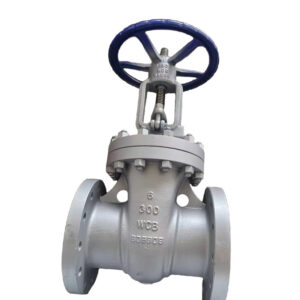
Carbon steel is one of the most common materials for industrial gate valves.
Vantaggi
- High strength
- Good temperature resistance
- Suitable for high-pressure service
Limitazioni
- Susceptible to corrosion without protection
Applicazioni
- Oil and gas
- Steam systems
- Petrochemical plants
- Power generation
Common grades include:
- ASTM A216 WCB
- ASTM A105
4. Stainless Steel Gate Valves
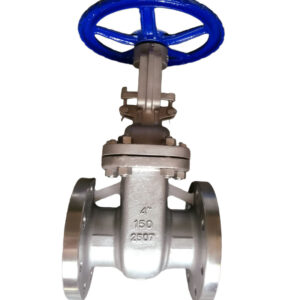
Stainless steel offers excellent corrosion resistance and durability.
Vantaggi
- Corrosion resistant
- Hygienic surface
- Suitable for high temperatures
Common Grades
304 Stainless Steel
Used for:
- General industrial service
- Food processing
316 Stainless Steel
Used for:
- Chemical processing
- Marine applications
- Chloride environments
Applicazioni
- Pharmaceutical plants
- Chemical industries
- Food and beverage systems
- Seawater service
5. Alloy Steel Gate Valves
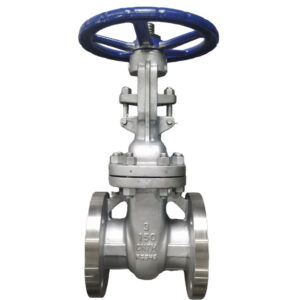
Alloy steels contain elements such as chromium and molybdenum for enhanced high-temperature strength.
Vantaggi
- Excellent heat resistance
- High-pressure capability
- Improved creep resistance
Applicazioni
- High-temperature steam systems
- Refineries
- Power plants
Common grades include:
- WC6
- WC9
- C5
- C12
6. Bronze and Brass Gate Valves
Bronze and brass valves are commonly used in smaller piping systems.
Vantaggi
- Good corrosion resistance
- Easy machining
- Reliable sealing
Applicazioni
- Marine systems
- Plumbing
- Low-pressure water systems
Trim Material Selection
The trim refers to internal valve components exposed directly to the process fluid.
Trim includes:
- Stelo
- Seat surfaces
- Gate or wedge sealing surfaces
Proper trim selection improves:
- Wear resistance
- Corrosion protection
- Sealing reliability
Common Trim Materials
| Trim Material | Characteristics |
|---|---|
| Acciaio inossidabile | Corrosion resistant |
| Stellite Overlay | Excellent wear resistance |
| Monel | Good seawater resistance |
| Hastelloy | Superior chemical resistance |
| Duplex Stainless Steel | High strength and corrosion resistance |
Material Selection for Different Applications
Water Systems
Recommended materials:
- Cast iron
- Ductile iron
- Bronze
Steam Systems
Recommended materials:
- Carbon steel
- Alloy steel
Elaborazione chimica
Recommended materials:
- Stainless steel
- Hastelloy
- PTFE-lined valves
Oil and Gas
Recommended materials:
- Carbon steel
- Stainless steel
- Duplex stainless steel
Seawater Applications
Recommended materials:
- Bronze
- Duplex stainless steel
- Monel
Temperature and Pressure Compatibility
Always verify material compatibility with operating conditions.
Important considerations include:
- Maximum allowable working pressure
- Thermal expansion
- Low-temperature toughness
- Pressure-temperature ratings
Industry standards such as ASME B16.34 help define allowable limits.
Industry Standards for Gate Valve Materials
Common standards include:
- ASTM material standards
- ASME pressure ratings
- API valve specifications
- ISO standards
- MSS standards
Compliance ensures safety and interchangeability.
Common Mistakes in Gate Valve Material Selection
Ignoring Corrosion Effects
Choosing low-cost materials without evaluating corrosion risks often leads to early failure.
Overlooking Temperature Limits
Materials may weaken or crack under extreme temperatures.
Selecting Based Only on Initial Cost
Cheaper materials may increase long-term maintenance and replacement expenses.
Using Incorrect Trim Materials
Internal trim failure can occur even if the body material is suitable.
Tips for Proper Gate Valve Material Selection
- Analyze fluid chemistry carefully
- Verify operating temperature and pressure
- Consider future process changes
- Review corrosion data
- Follow industry standards
- Consult valve manufacturers for severe-service applications
A systematic evaluation helps avoid costly operational problems.
Conclusione
Choosing the correct gate valve material is essential for ensuring long-term performance, reliability, and safety in industrial piping systems. The ideal material depends on several factors, including fluid type, temperature, pressure, corrosion resistance, and mechanical requirements.
Cast iron and ductile iron are commonly used for water systems, while carbon steel and alloy steel are preferred for high-pressure and high-temperature service. Stainless steel and specialty alloys provide superior corrosion resistance for chemical and marine applications.
By carefully evaluating process conditions and selecting suitable body and trim materials, engineers can maximize valve lifespan, reduce maintenance costs, and improve overall system efficiency.
Frequently Asked Questions (FAQ) About Gate Valve Selection
1. What is a gate valve used for?
A gate valve is primarily used for fully opening or fully closing fluid flow in a piping system. It is designed for isolation service rather than throttling or flow regulation.
Le valvole a saracinesca sono comunemente utilizzate in:
- Water distribution systems
- Oil and gas pipelines
- Steam systems
- Power plants
- Chemical processing facilities
2. Why are gate valves preferred for isolation service?
Gate valves provide a straight-through flow path when fully open, resulting in:
- Minimal pressure drop
- Low flow resistance
- Efficient full-flow operation
Their wedge-shaped gate creates reliable shutoff capability in many industrial applications.
3. What factors should be considered when selecting a gate valve?
Important selection factors include:
- Fluid type
- Operating pressure
- Intervallo di temperatura
- Corrosion resistance
- Valve material
- End connection type
- Pressure class
- Actuation method
- Industry standards compliance
Proper selection helps ensure long-term reliability and safety.
4. What materials are commonly used for gate valves?
Common gate valve materials include:
| Materiale | Typical Applications |
|---|---|
| Cast Iron | Water and HVAC systems |
| Ductile Iron | Municipal water systems |
| Carbon Steel | Oil, gas, and steam systems |
| Acciaio inossidabile | Corrosive and chemical service |
| Alloy Steel | High-temperature applications |
| Bronze/Brass | Marine and plumbing systems |
Material selection depends on process conditions and corrosion resistance requirements.
5. How do I choose the right gate valve material?
Material selection depends on:
- Fluid compatibility
- Operating temperature
- Valutazione della pressione
- Corrosion potential
- Abrasion resistance
For example:
- Stainless steel is suitable for corrosive chemicals
- Carbon steel is widely used in oil and gas
- Alloy steel performs well in high-temperature steam systems
6. What is the difference between rising stem and non-rising stem gate valves?
Rising Stem Gate Valve
- Stem moves upward during opening
- Provides visible position indication
- Easier maintenance inspection
Valvola a saracinesca con stelo non saliente
- Stem rotates without vertical movement
- Requires less installation space
- Common in underground installations
7. What are the common types of gate valves?
Wedge Gate Valve
Most common design for general industrial service.
Parallel Slide Gate Valve
Suitable for high-temperature applications.
Knife Gate Valve
Designed for slurry and wastewater systems.
Valvola a saracinesca con tenuta a pressione
Used in high-pressure and high-temperature service.
8. Can gate valves be used for throttling?
Gate valves are not recommended for throttling applications.
Partially open operation may cause:
- Vibration
- Seat damage
- Excessive wear
- Flow instability
Globe valves or control valves are better choices for flow regulation.
9. What pressure classes are available for gate valves?
Common pressure classes include:
- Class 150
- Class 300
- Class 600
- Class 900
- Class 1500
- Class 2500
The appropriate pressure class depends on system operating pressure and temperature.
10. What end connections are available for gate valves?
Common end connection types include:
- Flanged ends
- Threaded ends
- Socket weld ends
- Butt weld ends
The correct choice depends on pressure, temperature, pipe size, and maintenance requirements.
11. What is the difference between cast and forged gate valves?
Cast Gate Valves
- Used for larger valve sizes
- Economical for general applications
Forged Gate Valves
- Higher strength
- Better grain structure
- Common in high-pressure applications
Forged valves are typically used in smaller pipe sizes and severe service conditions.
12. How does temperature affect gate valve selection?
High temperatures can weaken materials and affect sealing performance.
Applications involving steam or thermal cycling may require:
- Alloy steel bodies
- Metal seats
- Specialized packing materials
Low-temperature systems may require cryogenic-compatible materials.
13. What trim materials are commonly used in gate valves?
Common trim materials include:
- Stainless steel
- Stellite overlays
- Monel
- Hastelloy
- Duplex stainless steel
Trim selection improves wear resistance, corrosion protection, and sealing reliability.
14. How do I prevent corrosion in gate valves?
Corrosion prevention methods include:
- Choosing corrosion-resistant materials
- Applying protective coatings
- Using compatible trim materials
- Performing regular maintenance
- Monitoring fluid chemistry
Correct material selection is the most effective prevention method.
15. What industries commonly use gate valves?
Gate valves are widely used in:
- Oil and gas
- Water treatment
- Power generation
- Chemical processing
- Mining
- Marine applications
- HVAC systems
They are especially useful for full-flow isolation service.
16. What are the advantages of gate valves?
Key advantages include:
- Low pressure drop
- Full-port flow capability
- Reliable shutoff
- Suitable for large pipe diameters
- Bi-directional flow capability
These features make gate valves ideal for isolation applications.
17. What are the disadvantages of gate valves?
Common limitations include:
- Slow operation
- Not suitable for throttling
- Larger installation space
- Potential seat wear during partial opening
Proper application selection helps avoid operational problems.
18. How often should gate valves be maintained?
Maintenance frequency depends on:
- Operating conditions
- Media type
- Temperature and pressure
- Frequency of operation
Routine maintenance typically includes:
- Stem lubrication
- Packing inspection
- Seat leakage checks
- Corrosion inspection
19. What causes gate valve leakage?
Leakage may result from:
- Seat wear
- Corrosion
- Damaged packing
- Debris accumulation
- Improper installation
- Thermal stress
Preventive maintenance can reduce leakage risks.
20. How do I know which gate valve is best for my application?
The best gate valve depends on:
- Fluid characteristics
- Pressure and temperature conditions
- Corrosion resistance needs
- Installation environment
- Maintenance expectations
- Industry standards
Consulting experienced valve manufacturers or engineers can help ensure proper valve selection and long-term system reliability.