

Разберитесь в типах и областях применения дисковых затворов API 609.
ЗАПОРНЫЙ КЛАПАН-БАБОЧКА
Что такое поворотный затвор?
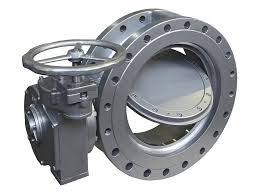
Запорный клапан типа «бабочка» — это регулирующее и запорное устройство, которое в некоторых областях применения может служить альтернативой... глобус и шаровые краны.
Классификация задвижек типа «бабочка»
Запорные вентили типа «бабочка» могут классифицироваться по нескольким параметрам:
- Дизайнцентрический, двойной эксцентрический, тройной эксцентрический
- Тип соединения со стороны клапана: пластинчатый, с выступами (полуфланцевый или полноразмерный), фланцевый и с двойным фланцем
- Материал сиденья: мягкий (например, тефлон, буна, резина и т. д.) или металл-металл (SS304, SS316)
- Материалы корпуса и диска (от чугуна до высоконикелевых сплавов)
- Тип привода клапанов: ручные (рычажные, редукторные, червячные) и с приводом (электрические, пневматические, гидравлические и газомасляные)
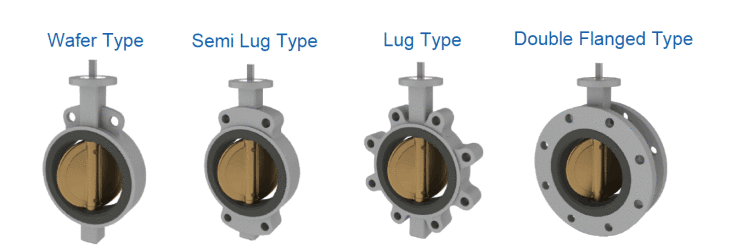
Запорные вентили типа «бабочка» могут использоваться в самых разных областях, таких как водоснабжение, очистка сточных вод, противопожарная защита, химическая и нефтяная промышленность, системы подачи топлива, а также в энергетической отрасли.
С появлением конструкций с двойным и тройным эксцентриком, поворотные затворы все чаще используются, в том числе, в нефтегазовой отрасли, и начинают конкурировать с более традиционными клапанами, такими как шаровые и запорные вентили.
ЗАПЧАСТИ ДЛЯ ЗАПОРНЫХ КЛАПАНОВ-БАБОЧЕК
Запорные вентили типа «бабочка» состоят из нескольких ключевых компонентов, позволяющих эффективно регулировать поток жидкости. Каждая деталь играет решающую роль в работе клапана, его долговечности и способности обеспечивать герметичность.
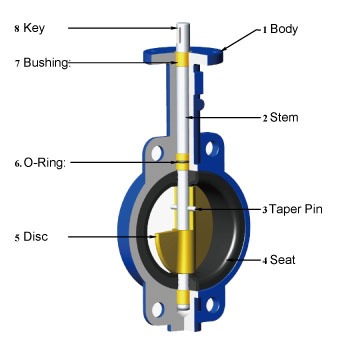
Вот основные компоненты поворотного затвора:
1. Тело
Внешний корпус клапана удерживает все внутренние компоненты вместе и соединяет клапан с трубопроводной системой. Материал корпуса варьируется в зависимости от области применения и может включать чугун, нержавеющую сталь, ПВХ и другие.
2. Диск
Круглый элемент, вращающийся в потоке жидкости для открытия или закрытия клапана. Вращение диска регулирует поток через клапан. Материалы для диска часто соответствуют или совместимы с материалом корпуса и выбираются в зависимости от свойств жидкости.
3. Стебель
Вал, соединяющий диск с приводом или рукояткой снаружи корпуса клапана. Шток может быть цельным, состоять из диска, или состоять из двух частей, когда диск установлен между двумя штоками. Штоки обычно изготавливаются из нержавеющей стали или других коррозионностойких материалов.
4. Место
Уплотнительная поверхность, к которой прилегает диск. Седло может быть интегрировано в корпус клапана или являться сменным компонентом. Оно изготавливается из таких материалов, как резина, ПТФЭ или металл, в зависимости от требований к герметизации в конкретном применении и характеристик рабочей жидкости.
5. Исполнительный механизм
Механизм, используемый для вращения диска. Приводы могут быть ручными (рукоятки или шестерни) или автоматическими (пневматическими, гидравлическими или электрическими). Выбор привода зависит от размера клапана, требуемого уровня управления и условий эксплуатации.
6. Рукоятка или ручной рычаг
For manual operation, a handle or lever is attached to the stem, allowing the operator to rotate the disc. It usually includes a locking mechanism to secure the valve in the open or closed position.
7. Коробка передач
In larger butterfly valves or in applications requiring precise control, a gearbox is used in conjunction with the hand lever or actuator to facilitate easier operation by reducing the effort needed to turn the valve.
8. Втулки
Located between the stem and the body or between the stem and the disc, bushings reduce friction and wear during operation, contributing to the valve’s smooth operation and longevity.
9. Упаковка
A seal around the stem to prevent fluid from leaking out of the valve body along the stem. Packing materials vary but often include PTFE or graphite, chosen for their sealing properties and resistance to the process fluid.
10. Фланцы или концевые элементы
Butterfly valves can have different end configurations to connect to the piping system, including wafer, lug, flanged, or butt-weld ends. The selection depends on the piping system design and the requirements for disassembly and maintenance.
Each component of a butterfly valve is critical to its performance, affecting everything from how well the valve seals to how easily it can be operated and maintained. Selecting the right materials and design for these components is essential to ensure the valve meets the application’s demands.
КАК РАБОТАЮТ ЗАПОРНЫЕ КЛАПАНЫ-БАБОЧКИ
A butterfly valve functions by using a rotating disc to control the flow of fluid through a pipe. The disc, which is the main component of the valve, is connected to an actuator or a manual handle at the top of the valve.
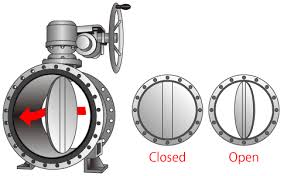
Here’s a step-by-step explanation of how a butterfly valve operates:
1. Открытая вакансия
- When the valve is fully open, the disc is rotated so that it lies parallel to the flow direction, allowing fluid to pass through with minimal obstruction. The handle or actuator is typically aligned parallel to the pipe in this position, indicating that the valve is open.
2. Закрытие клапана
- To close the valve, the handle or actuator is turned, which rotates the disc. As the disc rotates towards a perpendicular position relative to the flow path, it begins to block the flow of fluid through the pipe.
3. Закрытое положение
- When the disc is rotated to a position perpendicular to the flow direction, it fully obstructs the pipe, stopping the flow entirely. In this position, the handle or actuator is aligned perpendicular to the pipe, indicating that the valve is closed.
4. Управление потоком
- Butterfly valves can also be used to regulate the flow of fluid through the pipe by adjusting the disc’s angle. By partially opening or closing the valve (i.e., positioning the disc at various angles between fully open and fully closed), the operator can control the flow rate through the valve. This throttling capability allows for the precise adjustment of flow, although it’s important to note that butterfly valves may not provide as fine control as some other valve types designed specifically for flow regulation.
5. Приведение в действие
- Butterfly valves can be operated manually or automated with actuators. Manual operation is common for smaller valves or in applications where precise control is not critical. For larger valves or where remote control and precise adjustments are necessary, pneumatic, electric, or hydraulic actuators are used.
Основные характеристики
- Compact and Lightweight: Butterfly valves have a simple, compact design, making them easy to install and requiring less space compared to other valve types, like gate or globe valves.
- Quick Operation: The quarter-turn operation of butterfly valves allows for rapid opening and closing, which is beneficial in emergency situations or applications requiring frequent operation.
- Versatility: Suitable for a wide range of applications, handling liquids, gases, and semi-solids in various industries, including water treatment, chemical processing, HVAC, and more.
Again, it is important to understand that the key component of a butterfly valve is the disc, a metal ring that is positioned at the centerline of the pipe and connected to an external actuator (manual level or actuator) via a rod.
The functionality of a butterfly valve revolves around the rotation of such disc to open, close, or throttle the flow of fluid in a piping system. In the closed position, the disc blocks the bore of the valve, and, in an open position, the disc allows the passage of the fluid.
A quarter-turn movement is needed to switch the valve from a fully open to a fully closed position (and such movement can be executed as quickly as for ball valves).
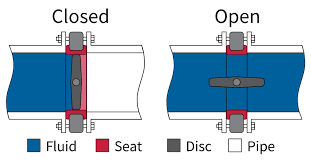
This design offers a balance of simplicity, efficiency, and versatility, making butterfly valves a popular choice for many fluid control applications.
Compared to a ball valve, the disc of a butterfly valve is always in contact with the fluid conveyed by the pipeline and creates, therefore, a pressure drop.
(Source: GEMU Group Youtube Channel)
Падение давления в поворотных затворах
The pressure drop across a butterfly valve, like other control valves, is an essential factor to consider in system design and valve selection. Pressure drop refers to the reduction in pressure as fluid passes through a valve, a phenomenon that occurs due to friction and flow resistance introduced by the valve’s presence in the flow path.
Факторы, влияющие на падение давления в дисковых затворах
- Valve Design: The inherent design of butterfly valves, which includes a disc that pivots within the flow stream, inherently introduces some level of flow resistance. The size of the valve (relative to the pipe diameter), the disc shape, and the seat design can influence the extent of this resistance.
- Disc Position: The pressure drop is significantly influenced by the disc’s position. When fully open (parallel to the flow direction), the pressure drop is minimal. However, as the disc begins to close (rotating towards a perpendicular position to the flow), it increasingly obstructs the flow path, leading to a higher pressure drop.
- Расход: The rate at which fluid flows through the valve directly affects the pressure drop; higher flow rates generally result in higher pressure drops due to increased friction and turbulence around the disc and within the valve body.
- Fluid Properties: The type of fluid (its density and viscosity) also impacts the pressure drop. More viscous fluids tend to create higher pressure drops compared to less viscous ones under the same conditions.
Расчет падения давления
The pressure drop across a butterfly valve can be calculated using various formulas and coefficients that account for the factors mentioned above. One common method involves using the valve’s flow coefficient (Cv) for a given valve opening position. The Cv value represents the flow rate of water (in US gallons per minute) at a temperature of 60°F that will flow through the valve with a pressure drop of 1 psi.
The general formula to estimate the pressure drop () in psi is:
Where Q is the flow rate through the valve in US gallons per minute (GPM), and Сv is the flow coefficient of the valve at the specific opening position.
Вопросы проектирования системы
- Selection: Choose a valve size and type that minimizes the pressure drop consistent with the application’s requirements. Full-port (or full-bore) butterfly valves generally offer lower pressure drops.
- Operation: Understand that frequent operation near the closed position increases the pressure drop and can impact pump performance and energy consumption.
- Приложение: In applications sensitive to pressure drop, consider the valve’s impact on the overall system and evaluate if an alternative valve type or size might be more appropriate.
In summary, while butterfly valves are favored for their compact design and quick operation, their influence on system pressure must be considered, especially in applications where maintaining pressure is critical. Proper valve selection and system design can help manage pressure drops to acceptable levels.
Технические характеристики поворотных затворов (ASME/API)
The American Petroleum Institute (API) and the American Society of Mechanical Engineers (ASME) provide standards and specifications that cover various aspects of butterfly valves, including design, materials, testing, and performance requirements. These standards ensure that butterfly valves meet certain criteria for safety, reliability, and interoperability in different industrial applications. Here are some of the key API and ASME specifications relevant to butterfly valves:
Стандарты API
API 609: Butterfly Valves: Double-flanged, Lug- and Wafer-type
This specification covers design, materials, face-to-face dimensions, pressure-temperature ratings, and testing requirements for butterfly valves with double-flanged, lug, and wafer-type configurations. It’s applicable for valves intended for general-purpose, isolation, and control applications in piping systems.
Стандарты ASME
- ASME B16.34: Valves – Flanged, Threaded, and Welding End
Although primarily known for gate, globe, and check valves, ASME B16.34 also includes general valve design criteria that can apply to butterfly valves, such as pressure-temperature ratings, shell material categories, and testing requirements.
- ASME B16.5: Pipe Flanges and Flanged Fittings
This standard covers dimensions and ratings for flanges that can be used with butterfly valves, ensuring compatibility with piping systems.
- ASME B16.47: Large Diameter Steel Flanges
Similar to ASME B16.5 but focuses on larger diameter flanges, which might be relevant for larger butterfly valve applications.
- ASME B16.10: Face-to-Face and End-to-End Dimensions of Valves
Provides the standard face-to-face and end-to-end dimensions for butterfly valves, facilitating proper integration and replacement in piping systems.
Другие соответствующие стандарты
- ISO 5211: Industrial valves — Part-turn actuator attachments
This international standard, often referenced alongside API and ASME standards, specifies the requirements for the attachment of part-turn actuators to industrial valves, including butterfly valves. It’s crucial to ensure that actuators and valves are compatible and can be securely attached to each other.
- MSS SP-67: Butterfly Valves
Issued by the Manufacturers Standardization Society (MSS), this standard covers detailed requirements for butterfly valves, including design, dimensions, pressure rating, and testing. It’s widely recognized and used alongside API and ASME standards.
- MSS SP-68: High-Pressure Butterfly Valves with Offset Design
MSS focuses on high-pressure butterfly valves with an offset design, providing criteria for pressure integrity and performance.
These API and ASME standards, along with other relevant specifications, guide manufacturers and users of butterfly valves in ensuring quality, safety, and efficiency in their operations. Compliance with these standards is often a requirement in industrial projects, especially those involving critical applications in the oil & gas, chemical, water treatment, and power generation sectors.
ТИПЫ ЗАПОРНЫХ КЛАПАНОВ-БАБОЧЕК
Butterfly valves are categorized based on their design, sealing mechanism, and application requirements. The various types offer distinct advantages and are suited to specific operational environments.
Here are the primary types of butterfly valves:
1. Concentric (Zero Offset) Butterfly Valves
- Design: Features a disc centered directly in the middle of the valve body, with the stem passing through the disc center. The seat is typically made of a resilient material such as rubber or Teflon.
- Приложение: Best suited for lower pressure and temperature applications. The simple design is effective for water, air, and other non-corrosive media.
The concentric type of butterfly valve is typically used in water (treatment, transmission, and distribution) and clean wastewater treatment plants, fire protection systems (indoor/outdoor), and gas supply (natural and flare gas).
Moreover, these types of butterfly valves may also be found in the following types of installations:
- Pumping installations
- HVAC
- Aeration systems
- Filter Installations
- Pumping installations
- Membrane installations
2. Double Offset (High-Performance) Butterfly Valves
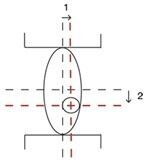
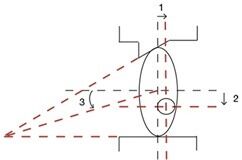
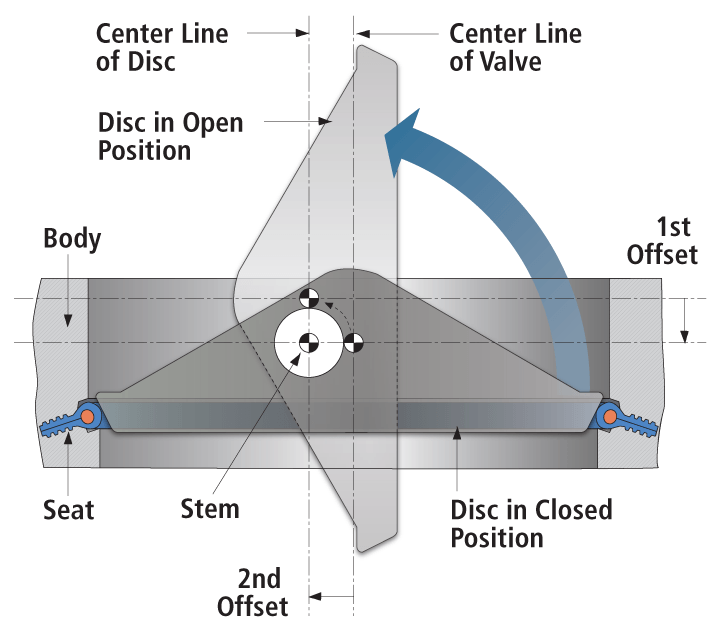
- Design: Also known as high-performance butterfly valves, they have two offsets. The first offset is to the side of the pipe centerline, while the second offset moves the shaft behind the disc plane. This design minimizes seat wear and allows for tighter sealing.
- Приложение: Ideal for higher pressure and temperature conditions, handling a wider range of fluids, including corrosive and abrasive types.
Double eccentric butterfly valves find application in underground water supply systems and compete with gate valves (especially in larger bore sizes) because they are lighter, cheaper, and minimize the excavation works.
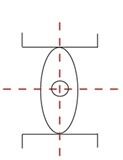
Double and triple-offset butterfly valves are also denominated “eccentric”. The main differences between the concentric and eccentric types of butterfly valves can be summarized as follows:
- Concentric butterfly valve: the stem is centered in the middle of the disc and the is disc centered in the bore
- Eccentric butterfly valve (double offset and triple offset): has one or more stub shafts (stems) which are located in an offset position from the center of the valve. Eccentric butterfly valves are also defined as the double or the triple offset.
3. Triple Offset Butterfly Valves
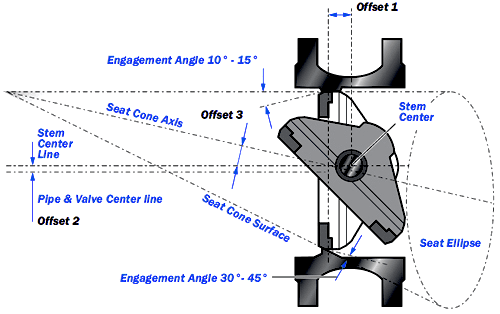
- Design: Features three offsets, with the third being the geometrical shape of the seating surface (conical shape). This design eliminates friction between the seat and the disc during operation and allows for metal-to-metal sealing.
- Приложение: Suitable for extreme pressure and temperature applications, including steam, oil, and gas services. It provides reliable performance in demanding conditions.
Triple-offset butterfly valves are generally manufactured in high-grade materials like stainless steel and duplex/super duplex steel and compete with ball valves in mission-critical applications with remarkable corrosion and high temperature/pressure.
Triple-offset butterfly valves are the most sophisticated type and have gained market share in recent years, due to the dramatic performance improvement achieved by specialized manufacturers.
4. Lugged Butterfly Valves
- Design: The valve body has lugs (extensions with bolt holes) that allow it to be bolted directly to the pipe flanges. This provides a secure and rigid connection and allows for easy removal of downstream piping without affecting the upstream side.
- Приложение: Used in applications where the valve must be easily removed for maintenance or where the system requires dead-end service capability.
5. Wafer Butterfly Valves
- Design: Designed to fit between two pipe flanges (the wafer shape), these valves are held in place by the bolts that connect the flanges. They are compact and cost-effective but not suitable for end-of-line service where removal is necessary.
- Приложение: Commonly used in systems where space is limited and in applications that do not require disassembly of the pipe system for valve maintenance.
6. Rubber-Lined Butterfly Valves
- Design: Features a body and disc lined with rubber or another elastomeric material, providing enhanced corrosion resistance and a tight seal.
- Приложение: Ideal for handling corrosive fluids, slurries, and other abrasive media in water treatment, chemical processing, and similar industries.
7. Metal-Seated Butterfly Valves
- Design: Constructed with metal seats, these valves are designed to withstand higher temperatures and more abrasive conditions than their rubber-lined counterparts.
- Приложение: Suitable for high-temperature applications, such as steam services, and where higher durability is required.
Each type of butterfly valve offers unique features and benefits, making them suitable for a broad range of applications. Selecting the right type depends on factors such as the nature of the fluid, operating pressure and temperature, and specific system requirements.
A key first classification is between concentric or eccentric butterfly valves:
РАЗНИЦА МЕЖДУ ДВОЙНЫМ И ТРОЙНЫМ ЭКСЦЕНТРИЧЕСКИМ ЗАПОРНЫМ КЛАПАНОМ
Double and triple eccentric butterfly valves are both designed to offer improved performance over traditional concentric butterfly valves, especially in high-pressure and high-temperature applications. The terms “double” and “triple” refer to the number of offsets (eccentricities) in the valve design, which significantly affect how the valve operates and seals. Understanding the differences between these two types of eccentric butterfly valves is crucial for selecting the right valve for specific operational needs.
Двухэксцентриковые поворотные задвижки (двойное смещение)
- Design: The first offset is the shaft placement off the pipe or disc centerline, which allows the disc to move off the seat upon opening, reducing wear on the sealing surface. The second offset is the shaft placement behind the disc plane, creating a cam action during operation that enhances sealing capability and reduces operating torque.
- Sealing: Typically utilizes a resilient (soft) seat, which can be made of materials like PTFE, rubber, or other polymers, allowing for tight shut-off in various applications.
- Приложения: Suitable for higher pressure and temperature applications than concentric valves but below the extreme conditions that triple offset valves are designed for. Commonly used in water distribution, HVAC systems, light industrial processes, and chemical applications where a tight seal and durability are required.
Трехэксцентриковые поворотные задвижки (тройное смещение)
- Design: Incorporates three offsets: two similar to the double eccentric design and a third offset, which involves angling the conical shape of the seating surface. This geometry ensures that the disc only contacts the seat at the final point of closure, minimizing wear and allowing for a metal-to-metal seal.
- Sealing: The metal-to-metal seat design enables the triple offset valve to handle extreme temperatures, pressures, and corrosive media, providing a long-lasting, bubble-tight seal.
- Приложения: Engineered for the most demanding applications, including high-pressure steam, oil and gas pipelines, power generation, and process industries where reliability and performance under extreme conditions are paramount.
Основные различия (двойной/тройной эксцентрический тип)
- Sealing Mechanism: Double eccentric valves usually have resilient seats for good sealing at lower pressures and temperatures, while triple eccentric valves use a metal-to-metal seat design for harsh conditions.
- Wear and Tear: Triple offset valves minimize wear on the sealing surfaces due to the disc only making contact at full closure, unlike double offset valves, which may experience more wear due to their soft sealing materials.
- Application Suitability: Double offset valves are versatile for a wide range of applications but might not be suitable for the highest pressures and temperatures. Triple offset valves are designed for extreme conditions where performance and durability are critical.
In summary, the choice between double and triple eccentric butterfly valves depends on the specific application requirements, including pressure, temperature, and the nature of the media being handled. Triple offset valves are typically chosen for their ability to perform in extreme conditions, offering durability and a reliable seal, whereas double offset valves provide an efficient and cost-effective solution for a broad range of less severe applications.
 .
. 
МАТЕРИАЛЫ ДЛЯ ЗАПОРНЫХ КЛАПАНОВ-БАБОЧЕК
КОРПУС КЛАПАНА
Butterfly valves, like any other type of valve, are available in multiple material grades and combinations of materials (body, disc, seat).
The selection of the materials is based on the fluid to be shut off, the pressure, and the temperature of the application at hand.
The body material of a butterfly valve is a critical factor that determines its suitability for specific applications, especially considering the fluid it will handle, the operating environment, pressure, and temperature conditions. Various materials are used for butterfly valve bodies, each offering different properties in terms of strength, corrosion resistance, and cost.
Here is a list of the main materials used for butterfly valve bodies, which are generally cast grades.
ЧУГУН
- Характеристики: Высокая механическая прочность, превосходная вибро- и ударопрочность, а также экономичность.
- Приложения: Широко используется в системах водоподготовки и водоотведения, системах кондиционирования воздуха и других областях применения при низком и среднем давлении.
КОВКИЙ ЖЕЛЕЗО
- Характеристики: Обладает большей прочностью и пластичностью по сравнению с чугуном, а также хорошей коррозионной стойкостью.
- Приложения: Подходит для применения в условиях более высокого давления, чем чугун, в том числе для водоснабжения, газоснабжения и некоторых промышленных процессов.
Следует отметить, что чугун и высокопрочный чугун являются предпочтительными материалами для литья задвижек, используемых в системах водоподготовки, водораспределения и водопередачи.
Углеродистая сталь
Углеродистая сталь — наиболее распространенный материал для корпусов и дисков в нефтегазовой отрасли:
- Характеристики: Высокая прочность и долговечность, хорошая устойчивость к высокому давлению и температуре.
- Приложения: Используется в нефтегазовой отрасли, энергетике и других промышленных областях, где требуется устойчивость к высокому давлению и температуре.
Наиболее распространенными марками стали, используемыми для корпусов и дисков задвижек, являются ASTM A216 WCB и LCC (с низким содержанием углерода), обе из которых являются литыми. Они используются, соответственно, для работы при высоких и низких температурах.
Главное преимущество поворотных затворов из углеродистой стали (CS) — их относительно низкая стоимость в сочетании с приемлемыми эксплуатационными характеристиками (особенно для применений с низким давлением). Недостатком затворов из углеродистой стали является их низкая коррозионная стойкость (которую можно улучшить путем нанесения наружных покрытий или внутренних облицовочных материалов, таких как тефлон).
НЕРЖАВЕЮЩАЯ СТАЛЬ
Задвижки-диски из нержавеющей стали широко используются в различных отраслях промышленности благодаря своей долговечности, коррозионной стойкости и пригодности для работы с широким спектром жидкостей, включая агрессивные вещества, воду, пар и газ. Изготовленные из нержавеющей стали как для корпуса, так и для диска, эти задвижки обладают рядом преимуществ и выбираются для конкретных применений в зависимости от свойств материала.
Преимущества поворотных затворов из нержавеющей стали
- Коррозионная стойкость: Нержавеющая сталь обладает превосходной устойчивостью к коррозии, вызываемой различными химическими веществами и условиями окружающей среды. Это делает ее идеальной для применения в химической промышленности, фармацевтике, пищевой промышленности и производстве напитков, где поддержание чистоты имеет решающее значение.
- Высокая прочность и долговечность: Обеспечивает прочность и долговечность в условиях высокого давления, гарантируя длительный срок службы даже в сложных условиях эксплуатации.
- Термостойкость: Способны выдерживать как высокие, так и низкие температуры, что делает их пригодными для применения в системах с паром, горячими жидкостями или холодной водой.
- Гигиенические свойства: Гладкая, непористая поверхность нержавеющей стали легко чистится и дезинфицируется, что крайне важно для соблюдения санитарных норм в пищевой, фармацевтической и напиточной промышленности.
- Эстетический облик: Нержавеющая сталь обладает чистым и современным внешним видом, что часто предпочтительнее в видимых элементах интерьера.
Распространенные марки нержавеющей стали для дисковых затворов
- Нержавеющая сталь 304: Обладает хорошей коррозионной стойкостью и широко используется в различных областях применения, не связанных с воздействием агрессивных химических веществ и экстремальных температур.
- Нержавеющая сталь 316: Содержит молибден, который повышает его коррозионную стойкость, особенно к хлоридам и другим промышленным растворителям. Предпочтителен для более агрессивных сред, таких как морская вода и химические процессы.
- Нержавеющая сталь 316L: Низкоуглеродистый вариант стали 316, имеющий пониженное содержание углерода, минимизирует осаждение карбидов во время сварки, улучшая коррозионную стойкость сварных соединений.
Приложения
Задвижки-поворотные механизмы из нержавеющей стали выбирают за их надежную работу в различных условиях, в том числе:
- Химическая обработка: Для регулирования потока агрессивных химикатов, кислот и растворителей.
- Производство продуктов питания и напитков: В системах, требующих строгих гигиенических стандартов и устойчивости к пищевым кислотам и чистящим средствам.
- Фармацевтическое производство: Там, где чистота и предотвращение загрязнения имеют первостепенное значение.
- Очистка и распределение воды: Подходит для работы как с чистой, так и со сточной водой, а также для процессов опреснения.
- Нефтегазовая промышленность: Для применений, требующих устойчивости к коррозии под воздействием соленой воды, химических веществ и высокого давления.
Соображения по выбору
При выборе поворотного затвора из нержавеющей стали крайне важно учитывать следующие факторы:
- Тип жидкости: Обеспечьте совместимость со свойствами жидкости, включая коррозионную стойкость, температуру и требования к чистоте.
- Номинальные значения давления и температуры: Выберите клапан, способный выдерживать рабочее давление и диапазон температур системы.
- Тип подключения: При выборе типа соединения клапана (дисковое, с проушинами, фланцевое) учитывайте совместимость с трубопроводной системой.
- Метод приведения в действие: Определите, какой тип привода — ручной, пневматический, электрический или гидравлический — лучше всего подходит для эксплуатационных потребностей данного применения.
В заключение, дисковые затворы из нержавеющей стали представляют собой надежное и эффективное решение для регулирования потока в широком спектре промышленных применений. Их коррозионная стойкость, прочность и термостойкость делают их универсальным выбором для многих систем перекачки жидкостей.
Дуплексная и супердуплексная сталь
Запорные вентили типа «бабочка», изготовленные из дуплексных и супердуплексных нержавеющих сталей, разработаны для применений, требующих исключительной прочности и коррозионной стойкости, особенно в агрессивных средах. Дуплексные нержавеющие стали сочетают в себе свойства аустенитных и ферритных нержавеющих сталей, в результате чего получаются материалы, обладающие как высокой прочностью, так и превосходной коррозионной стойкостью, включая коррозионное растрескивание под напряжением. Супердуплексные нержавеющие стали обеспечивают еще более высокую коррозионную стойкость и прочность, что делает их пригодными для более сложных применений.
Характеристики поворотных затворов из дуплексной и супердуплексной нержавеющей стали.
- Высокая прочность: Дуплексные и супердуплексные нержавеющие стали обладают большей прочностью по сравнению с аустенитными нержавеющими сталями, что позволяет проектировать более тонкие корпуса клапанов и компоненты без ущерба для целостности конструкции.
- Превосходная коррозионная стойкость: Эти материалы обладают высокой устойчивостью к широкому спектру агрессивных сред, включая среды, содержащие хлориды, что делает их идеальными для использования в морской промышленности, химической промышленности и нефтегазовой отрасли.
- Высокая устойчивость к усталости: Сочетание прочности и коррозионной стойкости делает двухслойные и супердуплексные клапаны очень устойчивыми к усталости, что продлевает срок их службы в условиях циклических нагрузок.
- Устойчивость к коррозионному растрескиванию под напряжением: Особенно в средах, содержащих хлориды, дуплексные и супердуплексные стали демонстрируют превосходную устойчивость к коррозионному растрескиванию под напряжением, что является распространенной проблемой для стандартных аустенитных нержавеющих сталей в определенных условиях.
Общие оценки
- Дуплексная нержавеющая сталь (UNS S31803, S32205): Обладает сбалансированной микроструктурой из аустенита и феррита, что обеспечивает хорошую устойчивость к точечной и щелевой коррозии, высокую прочность и хорошую свариваемость.
- Супердуплексная нержавеющая сталь (UNS S32750, S32760): Содержит более высокие уровни хрома, молибдена и азота, что обеспечивает еще большую коррозионную стойкость и повышенную прочность по сравнению с дуплексной нержавеющей сталью.
Приложения
Запорные вентили типа «бабочка», изготовленные из дуплексной и супердуплексной нержавеющей стали, особенно подходят для:
- Морские нефтегазовые операции: В средах, подверженных воздействию морской воды, сероводорода и других коррозионных веществ.
- Химическая обработка: Для работы с агрессивными химическими веществами, особенно в тех случаях, когда существует опасность коррозии, вызванной хлоридами.
- Опреснительные установки: Там, где клапаны подвергаются воздействию сильно коррозионной морской воды.
- Применение в морской отрасли: В том числе судоходство и прибрежные сооружения, где коррозия от соленой воды является постоянной проблемой.
- Целлюлозно-бумажная промышленность: Для процессов, связанных с использованием коррозионно-активных химических веществ в производстве бумаги.
Соображения по выбору
При выборе поворотных затворов из дуплексной или супердуплексной нержавеющей стали следует учитывать следующие факторы:
- Требования к коррозионной стойкости: Оцените наличие специфических коррозионных элементов в рабочей среде, чтобы выбрать наиболее подходящий класс материала.
- Требования к давлению и температуре: Убедитесь, что выбранный клапан выдерживает рабочее давление и температуру системы.
- Экономическая эффективность: Несмотря на превосходные свойства дуплексных и супердуплексных сталей, они также стоят дороже по сравнению со стандартными нержавеющими сталями. Оцените долгосрочные преимущества их использования с точки зрения снижения затрат на техническое обслуживание и замену.
- Свариваемость и изготовление: При выборе материалов следует учитывать требования к сварке и изготовлению, поскольку для дуплексных и супердуплексных материалов могут потребоваться специальные методы и меры предосторожности при производстве и монтаже.
В заключение, дисковые затворы, изготовленные из дуплексных и супердуплексных нержавеющих сталей, представляют собой надежное решение для регулирования потока в средах, где коррозионная стойкость и механическая прочность имеют решающее значение. Их превосходные свойства делают их отличным выбором для сложных промышленных применений, где обычные нержавеющие стали могут оказаться недостаточными.
НИКЕЛЕВАЯ ЛЕГИРОВАННАЯ СТАЛЬ
Запорные вентили типа «бабочка», изготовленные из никелевых сплавов, предназначены для самых сложных условий эксплуатации и обладают исключительной устойчивостью к коррозии, высоким температурам и давлению. Никелевые сплавы, такие как инконель, хастеллой, монель и никель 200/201, известны своей способностью выдерживать экстремальные условия, что делает их идеальными для ответственных и высокопроизводительных применений в различных отраслях промышленности.
Характеристики
- Коррозионная стойкость: Никелевые сплавы обладают превосходной устойчивостью к широкому спектру агрессивных сред, включая морскую воду, хлор, а также кислые и щелочные вещества. Они особенно эффективны против коррозии, которая поражает другие материалы, например, коррозионного растрескивания под напряжением.
- Высокотемпературные характеристики: Эти сплавы сохраняют свою прочность и сопротивление даже при очень высоких температурах, что делает их пригодными для применения в условиях высоких температур.
- Долговечность: Присущая никелевым сплавам прочность и коррозионная стойкость обеспечивают длительный срок службы задвижек, изготовленных из этих материалов, даже в суровых условиях.
Наиболее распространенные никелевые сплавы, используемые для изготовления дисковых затворов.
- Инконель (например, Инконель 625, Инконель 718): Известен своей высокой прочностью и превосходной коррозионной стойкостью, особенно в условиях высоких температур.
- Хастеллой (например, Хастеллой C-276, Хастеллой C-22): Обладает исключительной устойчивостью к сильным окислителям и используется в агрессивных коррозионных средах.
- Монель (например, Монель 400, Монель К-500): Обладает превосходной устойчивостью к морской воде и щелочам, сочетая хорошую коррозионную стойкость с высокой прочностью.
- Никель 200/201: Чистый или почти чистый никель, обеспечивающий превосходную устойчивость к коррозии под воздействием щелочных веществ, а также хорошие термические, электрические и магнитострикционные свойства.
Приложения
Поворотные затворы из никелевого сплава используются в ситуациях, когда обычные материалы выходят из строя, в том числе:
- Химическая обработка: Предназначен для работы с агрессивными химикатами, растворителями и газами, требующими высокой коррозионной стойкости.
- Нефтегазовая промышленность: Особенно это актуально для применения в средах, работающих с сероводородом, где сероводород может вызывать сульфидное растрескивание под напряжением в других материалах.
- Выработка электроэнергии: В областях применения, связанных с высокими температурами или коррозионными газами.
- Морской и шельфовый сектор: Для систем и сред, подверженных воздействию морской атмосферы, где коррозионная стойкость имеет решающее значение.
- Фармацевтические препараты: В процессах, требующих чистых, незагрязняющих материалов.
Соображения по выбору
При выборе поворотных затворов из никелевого сплава следует учитывать следующее:
- Особые требования к коррозионной стойкости: Подберите сплав, соответствующий конкретным коррозионным агентам, присутствующим в процессе или окружающей среде.
- Диапазон температур: Убедитесь, что выбранный сплав способен выдерживать экстремальные рабочие температуры.
- Номинальные значения давления: Убедитесь, что клапан способен выдерживать требуемое давление в системе без ущерба для его целостности или производительности.
- Экономическая эффективность: Сплавы никеля, как правило, дороже других материалов, поэтому следует учитывать долгосрочные преимущества, такие как снижение затрат на техническое обслуживание и замену, по сравнению с первоначальными инвестициями.
Задвижки-поворотные механизмы из никелевых сплавов представляют собой высококачественное решение для регулирования потока в тех областях применения, где экстремальные условия сделали бы менее качественные материалы непригодными. Их использование может значительно повысить надежность, безопасность и срок службы системы, хотя и с более высокими первоначальными затратами. Выбор конкретного никелевого сплава должен основываться на тщательном анализе требований к применению, включая воздействие коррозионных веществ, температурных и барометрических условий.
ТИТАНА И ТИТАНОВЫХ СПЛАВОВ
Задвижки-бабочки из титана известны своим исключительным соотношением прочности и веса, выдающейся коррозионной стойкостью и превосходной долговечностью в сложных условиях. Титан и его сплавы легкие, но при этом обладают механическими свойствами, сравнимыми со свойствами некоторых марок стали, что делает их отличным выбором для задвижек-бабочек в определенных областях применения.
Характеристики
- Коррозионная стойкость: Титан обладает исключительной устойчивостью к коррозии под воздействием морской воды, хлоридов и многих кислых сред, что делает его пригодным для применения в тех областях, где другие материалы могут оказаться неэффективными.
- Прочность и долговечность: Несмотря на свою легкость, титан сохраняет высокую прочность и выдерживает экстремальные давления и температуры, что способствует долговечности клапана.
- Немагнитные и биосовместимые: Титан немагнитен и биосовместим, что расширяет область его применения в тех случаях, когда магнитные помехи представляют опасность или когда он контактирует с биологическими материалами.
- Термостойкость: Титановые клапаны эффективно работают в широком диапазоне температур, сохраняя свою целостность как в низкотемпературных, так и в высокотемпературных условиях.
Приложения
Титановые поворотные затворы идеально подходят для отраслей и применений, требующих свойств материала, превосходящих возможности обычных металлов, в том числе:
- Химическая обработка: Для работы с высококоррозионными веществами, такими как хлор и кислоты, коррозионная стойкость титана обеспечивает надежность и безопасность.
- Морская вода и опреснение: В установках по опреснению морской воды, на морских платформах и в морских приложениях, где критически важна устойчивость к коррозии в морской воде.
- Фармацевтическая и пищевая промышленность: В тех случаях, когда нетоксичность и биосовместимость титана имеют решающее значение для предотвращения загрязнения.
- Аэрокосмическая и высокопроизводительная техника: В областях применения, требующих материалов, способных выдерживать высокие температуры и давление без существенного увеличения веса.
Соображения по выбору
When selecting titanium butterfly valves, consider the following factors:
- Grade of Titanium: Различные марки титана обладают разными свойствами. Например, титан марки 2 является коммерчески чистым и широко используется благодаря своей общей коррозионной стойкости, в то время как титан марки 5 (Ti-6Al-4V) — это сплав, известный своей более высокой прочностью и используемый в более сложных областях применения.
- Расходы: Титан дороже многих других материалов из-за сложности его обработки и стоимости сырья. Рассмотрим долгосрочные преимущества, такие как снижение затрат на техническое обслуживание и увеличение срока службы, в сравнении с первоначальными инвестициями.
- Совместимость: Убедитесь, что выбранный сорт титана совместим с рабочей средой, условиями эксплуатации и воздействием окружающей среды в данном применении.
- Изготовление и ремонт: Учитывайте наличие ресурсов для изготовления и ремонта, поскольку работа с титаном требует специальных знаний и оборудования.
Титановые поворотные затворы представляют собой высококачественное решение для регулирования потока в сложных условиях эксплуатации, где традиционные материалы не подходят. Их выбор оправдан в средах, требующих исключительной коррозионной стойкости, прочности и долговечности, несмотря на более высокую первоначальную стоимость. Преимущества использования титана включают в себя увеличение срока службы оборудования, снижение затрат на техническое обслуживание, а также повышение безопасности и надежности в критически важных областях применения.
АЛЮМИНИЙ
- Характеристики: Легкий вес, хорошая коррозионная стойкость и простота обработки.
- Приложения: В основном используется в системах низкого давления, таких как системы кондиционирования воздуха, вакуумные системы и системы обработки сыпучих материалов.
БРОНЗА
- Характеристики: Обладает хорошей коррозионной стойкостью, особенно по отношению к морской воде и другим соленым растворам.
- Приложения: Используется в морской промышленности, опреснении воды и некоторых областях химической промышленности, где коррозионная стойкость имеет первостепенное значение.
НИКЕЛЕВАЯ АЛЮМИНИЕВАЯ БРОНЗА
Это медный сплав, содержащий приблизительно 10% алюминия, 5% никеля и 5% железа. Он обладает высокой коррозионной стойкостью, особенно в морской воде, и препятствует образованию биопленки, часто являющейся причиной коррозионных проблем для нержавеющих сталей.
Задвижки-бабочки API 609 могут иметь мягкие или металлические седла. Задвижки с мягкими седлами также называются “мягкоседловыми” или “упругими” задвижками-бабочками и относятся к центробежному типу. Эксцентрические конструкции (двойное или тройное смещение) обычно имеют металлические седла и могут быть огнестойкими.
Для менее критичных применений также доступны дисковые затворы из пластмасс, таких как ПВХ, CVPC, полипропилен (ПП) и полиэтилен (ПЭ). Вот основные характеристики пластиковых дисковых затворов:
ПВХ
- Характеристики: Обладает превосходной коррозионной стойкостью к широкому спектру химических веществ, имеет малый вес и экономична.
- Приложения: Подходит для применения в системах низкого давления, включая водоподготовку, химическую обработку и ирригационные системы.
ХПВХ
- Характеристики: Похож на ПВХ, но выдерживает более высокие температуры.
- Приложения: Используется в системах горячего водоснабжения и химической промышленности, где требуется более высокая термостойкость, чем у ПВХ.
ПП/ПЭ
- Характеристики: Обладает превосходной химической и коррозионной стойкостью, малым весом и подходит для широкого диапазона температур.
- Приложения: Химическая обработка, водоочистка и применение в работе с агрессивными или коррозионными жидкостями.
СЕДЛО КЛАПАНА
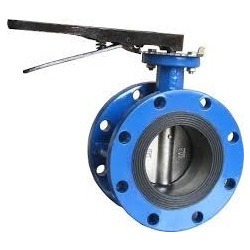
Запорный клапан типа “бабочка” с мягким уплотнением («упругой»)
Поворотные затворы с мягким уплотнением Они предназначены для обеспечения герметичности и обычно используются в тех случаях, когда герметизация газов или жидкостей имеет решающее значение, а условия эксплуатации находятся в умеренном диапазоне температур и давлений. “Мягкое седло” подразумевает использование эластомерных или других неметаллических, упругих материалов в качестве уплотняющего механизма между диском и корпусом клапана, что повышает способность клапана обеспечивать герметичное перекрытие потока.
Основные характеристики
- Уплотнительный материал: Мягкое сиденье обычно изготавливается из таких материалов, как ПТФЭ (политетрафторэтилен), НБР (нитрилбутадиеновый каучук), ЭПДМ (этиленпропилендиеновый мономер) или витон (разновидность фторэластомера). Каждый материал обладает различными свойствами с точки зрения химической стойкости, термостойкости и износостойкости, что делает его пригодным для различных применений.
- Надежное отключение: Задвижки-поршни с мягким уплотнением известны своими превосходными герметизирующими свойствами, обеспечивая практически полное закрытие. Это делает их идеальными для применений, требующих точного контроля потока и предотвращения утечек.
- Работа при низком крутящем моменте: Мягкий материал посадочного места уменьшает трение между диском и седлом, обеспечивая легкость в работе при минимальных требованиях к крутящему моменту.
- Универсальность применения: Эти клапаны используются в самых разных областях, от очистки воды и сточных вод до химической промышленности, пищевой промышленности и систем отопления, вентиляции и кондиционирования воздуха, и предназначены для работы с различными жидкостями, включая коррозионные и абразивные среды.
Приложения
Задвижки с мягким уплотнением универсальны и могут применяться в различных промышленных и коммерческих целях, в том числе:
- Водоснабжение и водоотведение: Для контроля и регулирования потока воды на очистных сооружениях, в системах водораспределения и орошения.
- Химическая обработка: Работа с жидкостями от слабо до умеренно агрессивных, в зависимости от химической совместимости материала сиденья.
- Продукты питания и напитки: В процессах, требующих соблюдения санитарных условий, где необходимы нетоксичные и легко моющиеся уплотнительные материалы, такие как ПТФЭ.
- Обработка воздуха и газов: Для применений, связанных с воздухом, природным газом и другими газами, где герметичность имеет решающее значение для предотвращения утечек.
Соображения
Несмотря на множество преимуществ, которыми обладают поворотные затворы с мягким уплотнением, при их выборе для конкретных областей применения следует учитывать ряд факторов:
- Температурные пределы: Эластомерные и пластиковые материалы, используемые для изготовления сидений, имеют верхние температурные пределы, превышение которых может привести к их деградации или потере герметичности.
- Химическая совместимость: Крайне важно убедиться в совместимости материала седла с рабочей жидкостью, чтобы предотвратить повреждения и обеспечить долговременную надежность.
- Wear and Tear: Хотя мягкие седла обеспечивают превосходную герметизацию, они могут быть более подвержены износу и повреждениям от абразивных сред, чем клапаны с металлическими седлами.
В заключение, дисковые затворы с мягким седлом обеспечивают превосходную герметизацию и подходят для широкого спектра применений, требующих точного регулирования потока и герметичного перекрытия. Выбор соответствующего материала седла в зависимости от конкретных требований применения имеет решающее значение для оптимальной производительности и долговечности.
Поворотные затворы с мягким уплотнением (эластичные) имеют EPDM, ВИТОН, Мягкие седла из NBR, BUNA-N и аналогичных материалов. Запорные вентили с мягким седлом, как правило, имеют концентрическую форму и подходят для низкого давления и некритичных применений.
Металлический затвор с седлом
Задвижки с металлическим уплотнением предназначены для более сложных условий эксплуатации, где присутствуют высокие температуры, высокое давление и абразивные или коррозионные среды. В отличие от задвижек с мягким уплотнением, в которых для герметизации используются эластомерные материалы, в задвижках с металлическим уплотнением используется контакт металла с металлом между диском и седлом, что обеспечивает долговечность и устойчивость в суровых условиях.
Основные характеристики
- Долговечность: Металлические опоры подшипников обладают высокой прочностью и износостойкостью, что делает их пригодными для применения в условиях воздействия абразивных частиц или высокоскоростных потоков, которые могут повредить более мягкие материалы опор.
- Высокая термостойкость и устойчивость к давлению: Задвижки с металлическим уплотнением выдерживают более высокие температуры и давление, чем их аналоги с мягким уплотнением, что делает их идеальными для промышленных процессов, связанных с паром, горячими газами или жидкостями под высоким давлением.
- Коррозионная стойкость: В зависимости от используемых металлов (таких как нержавеющая сталь, хастеллой, инконель или другие), эти клапаны обладают превосходной устойчивостью к коррозии и химическому воздействию.
- Утечка: Клапаны с металлическим уплотнением могут не обеспечивать такой же степени герметичности, как клапаны с мягким уплотнением. Как правило, они проектируются в соответствии с отраслевыми стандартами допустимой скорости утечки в определенных условиях, чего часто достаточно для многих применений при высоких температурах и давлении.
Материалы для металлических сидений
Приложения
Задвижки с металлическим уплотнением выбирают за их надежность в сложных условиях эксплуатации, в том числе:
- Выработка электроэнергии: Предназначен для работы с паром и высокотемпературной водой в системах охлаждения и котлах.
- Химическая и нефтехимическая промышленность: В процессах, связанных с коррозионными жидкостями, высокими температурами и в тех случаях, когда долговечность клапанов имеет решающее значение.
- Добыча и переработка полезных ископаемых: Предназначено для транспортировки шлама и абразивных материалов, где износ клапанов является проблемой.
- Целлюлозно-бумажное производство: В областях применения, связанных с высокотемпературными жидкостями и коррозионно-активными химическими веществами, используемыми в процессе варки целлюлозы.
Соображения
При выборе поворотного затвора с металлическим уплотнением следует учитывать несколько факторов, чтобы убедиться в его соответствии требованиям конкретного применения:
- Требования к герметизации: Хотя клапаны с металлическим уплотнением долговечны и выдерживают экстремальные условия, они могут не обеспечивать абсолютно герметичное перекрытие, как клапаны с мягким уплотнением. Следует учитывать допустимую утечку в конкретном случае.
- Совместимость материалов: Для обеспечения долгосрочной надежности и производительности выбирайте материал корпуса и седла клапана, совместимый с рабочей средой и условиями эксплуатации.
- Рабочий крутящий момент: Для привода клапана с металлическим уплотнением может потребоваться больший крутящий момент, что влияет на выбор привода и эксплуатационные затраты энергии.
- Расходы: Клапаны с металлическим уплотнением, особенно изготовленные из экзотических сплавов для повышения коррозионной стойкости, могут быть дороже, чем клапаны с мягким уплотнением. Однако их долговечность в суровых условиях может обеспечить более низкую общую стоимость владения в долгосрочной перспективе.
В заключение, дисковые затворы с металлическим уплотнением — отличный выбор для промышленного применения, требующего высокой прочности, термостойкости и способности работать с абразивными или коррозионными средами. Правильный выбор материалов для клапанов и понимание конкретных эксплуатационных требований являются ключом к максимальной производительности и сроку службы этих клапанов в сложных условиях.
 .
. 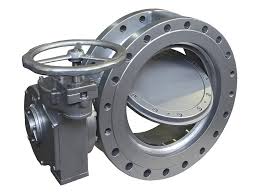
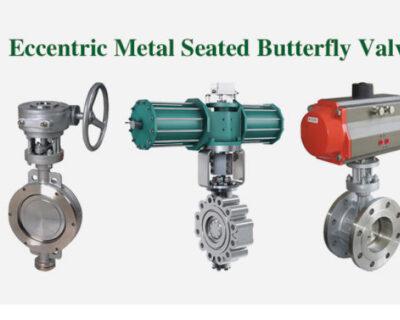
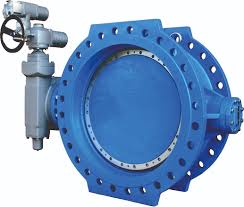
Двух- и трехсмещенные поворотные затворы (с металлическим седлом)