

Entenda os tipos de válvulas borboleta API 609 e suas aplicações.
VÁLVULA BORBOLETA
O que é uma válvula borboleta?
Uma válvula borboleta é um dispositivo de regulação e bloqueio que pode ser uma alternativa, em algumas aplicações, a outras válvulas convencionais. globo e válvulas de esfera.
Classificação das válvulas borboleta
As válvulas borboleta podem ser classificadas com base em diversas características:
- Projeto: cêntrico, duplo excêntrico, triplo excêntrico
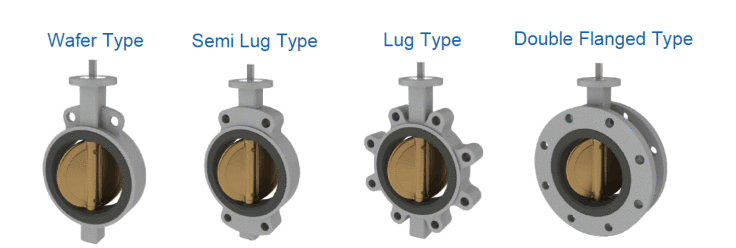
- Tipo de conexão da extremidade da válvula: wafer, lug (semi ou completo), flangeado e com dupla flange
- Material do assento: macio (exemplo: Teflon, Buna, borracha, etc.) ou metal com metal (SS304, SS316)
- Materiais do corpo e do disco (do ferro fundido às ligas com alto teor de níquel)
- Tipo de acionamento das válvulas: manuais (alavanca, engrenagem, engrenagem sem-fim) e acionados (elétricos, pneumáticos, hidráulicos e a gás sobre óleo)
As válvulas borboleta podem ser utilizadas em uma ampla gama de aplicações, como abastecimento de água, tratamento de águas residuais, proteção contra incêndio, indústrias químicas e petrolíferas, sistemas de manuseio de combustível e também em aplicações na indústria de geração de energia.
Com a introdução dos designs de excentricidade dupla e tripla, as válvulas borboleta são cada vez mais utilizadas também na indústria de petróleo e gás e começaram a competir com válvulas mais tradicionais, como as válvulas globo e de esfera.
PEÇAS PARA VÁLVULAS BORBOLETA
As válvulas borboleta são compostas por diversos componentes essenciais que lhes permitem controlar o fluxo de fluidos de forma eficaz. Cada componente desempenha um papel crucial no funcionamento, na durabilidade e na capacidade da válvula de proporcionar uma vedação hermética.
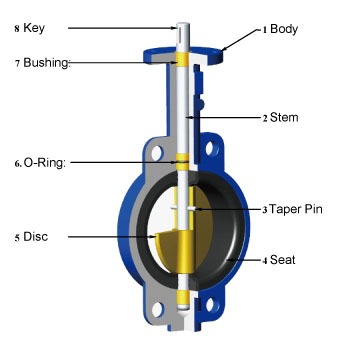
Aqui estão os principais componentes de uma válvula borboleta:
1. Corpo
O corpo externo da válvula mantém todos os componentes internos unidos e conecta a válvula ao sistema de tubulação. O material do corpo varia dependendo da aplicação e pode incluir ferro fundido, aço inoxidável, PVC, entre outros.
2. Disco
O elemento circular que gira dentro do fluxo para abrir ou fechar a válvula. A rotação do disco controla o fluxo através da válvula. Os materiais do disco geralmente combinam ou são compatíveis com o material do corpo e são selecionados com base nas propriedades do fluido.
3. Caule
A haste que conecta o disco ao atuador ou à alavanca externa do corpo da válvula. A haste pode ser de peça única com o disco ou de duas peças, onde o disco é montado entre duas hastes. As hastes são normalmente feitas de aço inoxidável ou outros materiais resistentes à corrosão.
4. Assento
A sede é a superfície de vedação contra a qual o disco se fecha. Ela pode ser parte integrante do corpo da válvula ou um componente substituível. É feita de materiais como borracha, PTFE ou metal, dependendo dos requisitos de vedação da aplicação e das características do fluido.
5. Atuador
O mecanismo utilizado para girar o disco. Os atuadores podem ser manuais (alavancas ou engrenagens) ou automáticos (pneumáticos, hidráulicos ou elétricos). A escolha do atuador depende do tamanho da válvula, do nível de controle necessário e do ambiente operacional.
6. Alavanca ou puxador manual
Para operação manual, uma alça ou alavanca é fixada à haste, permitindo que o operador gire o disco. Geralmente inclui um mecanismo de travamento para fixar a válvula na posição aberta ou fechada.
7. Caixa de câmbio
Em válvulas borboleta maiores ou em aplicações que exigem controle preciso, uma caixa de engrenagens é usada em conjunto com a alavanca manual ou atuador para facilitar a operação, reduzindo o esforço necessário para girar a válvula.
8. Buchas
Localizadas entre a haste e o corpo ou entre a haste e o disco, as buchas reduzem o atrito e o desgaste durante o funcionamento, contribuindo para o funcionamento suave e a longevidade da válvula.
9. Embalagem
A seal around the stem to prevent fluid from leaking out of the valve body along the stem. Packing materials vary but often include PTFE or graphite, chosen for their sealing properties and resistance to the process fluid.
10. Flanges ou extremidades
Butterfly valves can have different end configurations to connect to the piping system, including wafer, lug, flanged, or butt-weld ends. The selection depends on the piping system design and the requirements for disassembly and maintenance.
Each component of a butterfly valve is critical to its performance, affecting everything from how well the valve seals to how easily it can be operated and maintained. Selecting the right materials and design for these components is essential to ensure the valve meets the application’s demands.
COMO FUNCIONAM AS VÁLVULAS BORBOLETA
A butterfly valve functions by using a rotating disc to control the flow of fluid through a pipe. The disc, which is the main component of the valve, is connected to an actuator or a manual handle at the top of the valve.
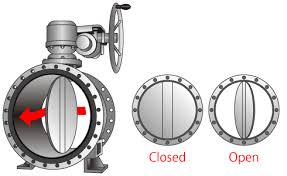
Here’s a step-by-step explanation of how a butterfly valve operates:
1. Posição Aberta
- When the valve is fully open, the disc is rotated so that it lies parallel to the flow direction, allowing fluid to pass through with minimal obstruction. The handle or actuator is typically aligned parallel to the pipe in this position, indicating that the valve is open.
2. Fechando a válvula
- To close the valve, the handle or actuator is turned, which rotates the disc. As the disc rotates towards a perpendicular position relative to the flow path, it begins to block the flow of fluid through the pipe.
3. Posição Fechada
- When the disc is rotated to a position perpendicular to the flow direction, it fully obstructs the pipe, stopping the flow entirely. In this position, the handle or actuator is aligned perpendicular to the pipe, indicating that the valve is closed.
4. Controlando o fluxo
- Butterfly valves can also be used to regulate the flow of fluid through the pipe by adjusting the disc’s angle. By partially opening or closing the valve (i.e., positioning the disc at various angles between fully open and fully closed), the operator can control the flow rate through the valve. This throttling capability allows for the precise adjustment of flow, although it’s important to note that butterfly valves may not provide as fine control as some other valve types designed specifically for flow regulation.
5. Acionamento
- Butterfly valves can be operated manually or automated with actuators. Manual operation is common for smaller valves or in applications where precise control is not critical. For larger valves or where remote control and precise adjustments are necessary, pneumatic, electric, or hydraulic actuators are used.
Principais características
- Compact and Lightweight: Butterfly valves have a simple, compact design, making them easy to install and requiring less space compared to other valve types, like gate or globe valves.
- Quick Operation: The quarter-turn operation of butterfly valves allows for rapid opening and closing, which is beneficial in emergency situations or applications requiring frequent operation.
- Versatility: Suitable for a wide range of applications, handling liquids, gases, and semi-solids in various industries, including water treatment, chemical processing, HVAC, and more.
Again, it is important to understand that the key component of a butterfly valve is the disc, a metal ring that is positioned at the centerline of the pipe and connected to an external actuator (manual level or actuator) via a rod.
The functionality of a butterfly valve revolves around the rotation of such disc to open, close, or throttle the flow of fluid in a piping system. In the closed position, the disc blocks the bore of the valve, and, in an open position, the disc allows the passage of the fluid.
A quarter-turn movement is needed to switch the valve from a fully open to a fully closed position (and such movement can be executed as quickly as for ball valves).
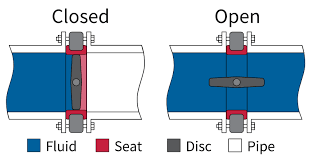
This design offers a balance of simplicity, efficiency, and versatility, making butterfly valves a popular choice for many fluid control applications.
Compared to a ball valve, the disc of a butterfly valve is always in contact with the fluid conveyed by the pipeline and creates, therefore, a pressure drop.
(Source: GEMU Group Youtube Channel)
QUEDA DE PRESSÃO EM VÁLVULAS BORBOLETA
The pressure drop across a butterfly valve, like other control valves, is an essential factor to consider in system design and valve selection. Pressure drop refers to the reduction in pressure as fluid passes through a valve, a phenomenon that occurs due to friction and flow resistance introduced by the valve’s presence in the flow path.
Fatores que afetam a queda de pressão em válvulas borboleta
- Valve Design: The inherent design of butterfly valves, which includes a disc that pivots within the flow stream, inherently introduces some level of flow resistance. The size of the valve (relative to the pipe diameter), the disc shape, and the seat design can influence the extent of this resistance.
- Disc Position: The pressure drop is significantly influenced by the disc’s position. When fully open (parallel to the flow direction), the pressure drop is minimal. However, as the disc begins to close (rotating towards a perpendicular position to the flow), it increasingly obstructs the flow path, leading to a higher pressure drop.
- Flow Rate: The rate at which fluid flows through the valve directly affects the pressure drop; higher flow rates generally result in higher pressure drops due to increased friction and turbulence around the disc and within the valve body.
- Fluid Properties: The type of fluid (its density and viscosity) also impacts the pressure drop. More viscous fluids tend to create higher pressure drops compared to less viscous ones under the same conditions.
Cálculo da queda de pressão
The pressure drop across a butterfly valve can be calculated using various formulas and coefficients that account for the factors mentioned above. One common method involves using the valve’s flow coefficient (Cv) for a given valve opening position. The Cv value represents the flow rate of water (in US gallons per minute) at a temperature of 60°F that will flow through the valve with a pressure drop of 1 psi.
The general formula to estimate the pressure drop () in psi is:
Where Q is the flow rate through the valve in US gallons per minute (GPM), and Cv is the flow coefficient of the valve at the specific opening position.
Considerações para o projeto do sistema
- Selection: Choose a valve size and type that minimizes the pressure drop consistent with the application’s requirements. Full-port (or full-bore) butterfly valves generally offer lower pressure drops.
- Operation: Understand that frequent operation near the closed position increases the pressure drop and can impact pump performance and energy consumption.
- Aplicativo: In applications sensitive to pressure drop, consider the valve’s impact on the overall system and evaluate if an alternative valve type or size might be more appropriate.
In summary, while butterfly valves are favored for their compact design and quick operation, their influence on system pressure must be considered, especially in applications where maintaining pressure is critical. Proper valve selection and system design can help manage pressure drops to acceptable levels.
ESPECIFICAÇÕES DA VÁLVULA BORBOLETA (ASME/API)
The American Petroleum Institute (API) and the American Society of Mechanical Engineers (ASME) provide standards and specifications that cover various aspects of butterfly valves, including design, materials, testing, and performance requirements. These standards ensure that butterfly valves meet certain criteria for safety, reliability, and interoperability in different industrial applications. Here are some of the key API and ASME specifications relevant to butterfly valves:
Padrões de API
API 609: Butterfly Valves: Double-flanged, Lug- and Wafer-type
This specification covers design, materials, face-to-face dimensions, pressure-temperature ratings, and testing requirements for butterfly valves with double-flanged, lug, and wafer-type configurations. It’s applicable for valves intended for general-purpose, isolation, and control applications in piping systems.
Normas ASME
- ASME B16.34: Valves – Flanged, Threaded, and Welding End
Although primarily known for gate, globe, and check valves, ASME B16.34 also includes general valve design criteria that can apply to butterfly valves, such as pressure-temperature ratings, shell material categories, and testing requirements.
- ASME B16.5: Pipe Flanges and Flanged Fittings
This standard covers dimensions and ratings for flanges that can be used with butterfly valves, ensuring compatibility with piping systems.
- ASME B16.47: Large Diameter Steel Flanges
Similar to ASME B16.5 but focuses on larger diameter flanges, which might be relevant for larger butterfly valve applications.
- ASME B16.10: Face-to-Face and End-to-End Dimensions of Valves
Provides the standard face-to-face and end-to-end dimensions for butterfly valves, facilitating proper integration and replacement in piping systems.
Outras normas relevantes
- ISO 5211: Industrial valves — Part-turn actuator attachments
This international standard, often referenced alongside API and ASME standards, specifies the requirements for the attachment of part-turn actuators to industrial valves, including butterfly valves. It’s crucial to ensure that actuators and valves are compatible and can be securely attached to each other.
- MSS SP-67: Butterfly Valves
Issued by the Manufacturers Standardization Society (MSS), this standard covers detailed requirements for butterfly valves, including design, dimensions, pressure rating, and testing. It’s widely recognized and used alongside API and ASME standards.
- MSS SP-68: High-Pressure Butterfly Valves with Offset Design
MSS focuses on high-pressure butterfly valves with an offset design, providing criteria for pressure integrity and performance.
These API and ASME standards, along with other relevant specifications, guide manufacturers and users of butterfly valves in ensuring quality, safety, and efficiency in their operations. Compliance with these standards is often a requirement in industrial projects, especially those involving critical applications in the oil & gas, chemical, water treatment, and power generation sectors.
TIPOS DE VÁLVULAS BORBOLETA
Butterfly valves are categorized based on their design, sealing mechanism, and application requirements. The various types offer distinct advantages and are suited to specific operational environments.
Here are the primary types of butterfly valves:
1. Concentric (Zero Offset) Butterfly Valves
- Projeto: Features a disc centered directly in the middle of the valve body, with the stem passing through the disc center. The seat is typically made of a resilient material such as rubber or Teflon.
- Aplicativo: Best suited for lower pressure and temperature applications. The simple design is effective for water, air, and other non-corrosive media.
The concentric type of butterfly valve is typically used in water (treatment, transmission, and distribution) and clean wastewater treatment plants, fire protection systems (indoor/outdoor), and gas supply (natural and flare gas).
Moreover, these types of butterfly valves may also be found in the following types of installations:
- Pumping installations
- HVAC
- Aeration systems
- Filter Installations
- Pumping installations
- Membrane installations
2. Double Offset (High-Performance) Butterfly Valves
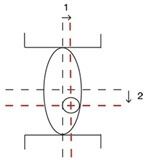
- Projeto: Also known as high-performance butterfly valves, they have two offsets. The first offset is to the side of the pipe centerline, while the second offset moves the shaft behind the disc plane. This design minimizes seat wear and allows for tighter sealing.
- Aplicativo: Ideal for higher pressure and temperature conditions, handling a wider range of fluids, including corrosive and abrasive types.
Double eccentric butterfly valves find application in underground water supply systems and compete with gate valves (especially in larger bore sizes) because they are lighter, cheaper, and minimize the excavation works.
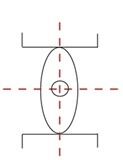
Double and triple-offset butterfly valves are also denominated “eccentric”. The main differences between the concentric and eccentric types of butterfly valves can be summarized as follows:
- Concentric butterfly valve: the stem is centered in the middle of the disc and the is disc centered in the bore
- Eccentric butterfly valve (double offset and triple offset): has one or more stub shafts (stems) which are located in an offset position from the center of the valve. Eccentric butterfly valves are also defined as the double or the triple offset.
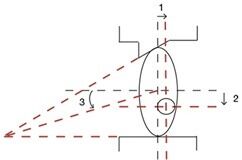
3. Triple Offset Butterfly Valves
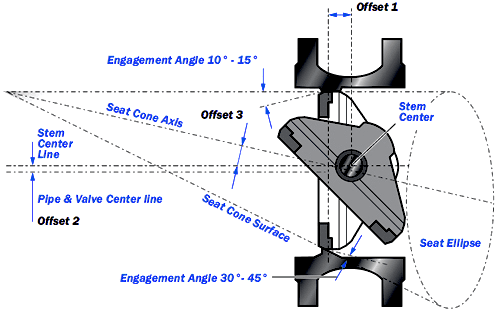
- Projeto: Features three offsets, with the third being the geometrical shape of the seating surface (conical shape). This design eliminates friction between the seat and the disc during operation and allows for metal-to-metal sealing.
- Aplicativo: Suitable for extreme pressure and temperature applications, including steam, oil, and gas services. It provides reliable performance in demanding conditions.
Triple-offset butterfly valves are generally manufactured in high-grade materials like stainless steel and duplex/super duplex steel and compete with ball valves in mission-critical applications with remarkable corrosion and high temperature/pressure.
Triple-offset butterfly valves are the most sophisticated type and have gained market share in recent years, due to the dramatic performance improvement achieved by specialized manufacturers.
4. Lugged Butterfly Valves
- Projeto: The valve body has lugs (extensions with bolt holes) that allow it to be bolted directly to the pipe flanges. This provides a secure and rigid connection and allows for easy removal of downstream piping without affecting the upstream side.
- Aplicativo: Used in applications where the valve must be easily removed for maintenance or where the system requires dead-end service capability.
5. Wafer Butterfly Valves
- Projeto: Designed to fit between two pipe flanges (the wafer shape), these valves are held in place by the bolts that connect the flanges. They are compact and cost-effective but not suitable for end-of-line service where removal is necessary.
- Aplicativo: Commonly used in systems where space is limited and in applications that do not require disassembly of the pipe system for valve maintenance.
6. Rubber-Lined Butterfly Valves
- Projeto: Features a body and disc lined with rubber or another elastomeric material, providing enhanced corrosion resistance and a tight seal.
- Aplicativo: Ideal for handling corrosive fluids, slurries, and other abrasive media in water treatment, chemical processing, and similar industries.
7. Metal-Seated Butterfly Valves
- Projeto: Constructed with metal seats, these valves are designed to withstand higher temperatures and more abrasive conditions than their rubber-lined counterparts.
- Aplicativo: Suitable for high-temperature applications, such as steam services, and where higher durability is required.
Each type of butterfly valve offers unique features and benefits, making them suitable for a broad range of applications. Selecting the right type depends on factors such as the nature of the fluid, operating pressure and temperature, and specific system requirements.
A key first classification is between concentric or eccentric butterfly valves:
DIFERENÇAS ENTRE VÁLVULA BORBOLETA EXCÊNTRICA DUPLA E TRIPLA
Double and triple eccentric butterfly valves are both designed to offer improved performance over traditional concentric butterfly valves, especially in high-pressure and high-temperature applications. The terms “double” and “triple” refer to the number of offsets (eccentricities) in the valve design, which significantly affect how the valve operates and seals. Understanding the differences between these two types of eccentric butterfly valves is crucial for selecting the right valve for specific operational needs.
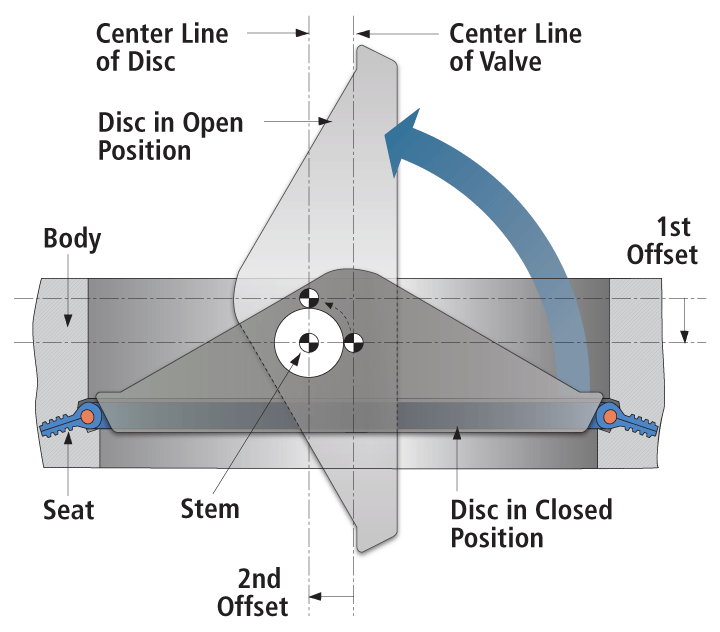
Válvulas borboleta de dupla excentricidade (duplo offset)
- Projeto: The first offset is the shaft placement off the pipe or disc centerline, which allows the disc to move off the seat upon opening, reducing wear on the sealing surface. The second offset is the shaft placement behind the disc plane, creating a cam action during operation that enhances sealing capability and reduces operating torque.
- Sealing: Typically utilizes a resilient (soft) seat, which can be made of materials like PTFE, rubber, or other polymers, allowing for tight shut-off in various applications.
- Applications: Suitable for higher pressure and temperature applications than concentric valves but below the extreme conditions that triple offset valves are designed for. Commonly used in water distribution, HVAC systems, light industrial processes, and chemical applications where a tight seal and durability are required.
Válvulas borboleta triplamente excêntricas (triplo offset)
- Projeto: Incorporates three offsets: two similar to the double eccentric design and a third offset, which involves angling the conical shape of the seating surface. This geometry ensures that the disc only contacts the seat at the final point of closure, minimizing wear and allowing for a metal-to-metal seal.
- Sealing: The metal-to-metal seat design enables the triple offset valve to handle extreme temperatures, pressures, and corrosive media, providing a long-lasting, bubble-tight seal.
- Applications: Engineered for the most demanding applications, including high-pressure steam, oil and gas pipelines, power generation, and process industries where reliability and performance under extreme conditions are paramount.
Principais diferenças (tipos excêntricos duplos/triplos)
- Sealing Mechanism: Double eccentric valves usually have resilient seats for good sealing at lower pressures and temperatures, while triple eccentric valves use a metal-to-metal seat design for harsh conditions.
- Wear and Tear: Triple offset valves minimize wear on the sealing surfaces due to the disc only making contact at full closure, unlike double offset valves, which may experience more wear due to their soft sealing materials.
- Application Suitability: Double offset valves are versatile for a wide range of applications but might not be suitable for the highest pressures and temperatures. Triple offset valves are designed for extreme conditions where performance and durability are critical.
In summary, the choice between double and triple eccentric butterfly valves depends on the specific application requirements, including pressure, temperature, and the nature of the media being handled. Triple offset valves are typically chosen for their ability to perform in extreme conditions, offering durability and a reliable seal, whereas double offset valves provide an efficient and cost-effective solution for a broad range of less severe applications.
 .
MATERIAIS PARA VÁLVULAS BORBOLETA
CORPO DE VÁLVULAS
Butterfly valves, like any other type of valve, are available in multiple material grades and combinations of materials (body, disc, seat).
The selection of the materials is based on the fluid to be shut off, the pressure, and the temperature of the application at hand.
The body material of a butterfly valve is a critical factor that determines its suitability for specific applications, especially considering the fluid it will handle, the operating environment, pressure, and temperature conditions. Various materials are used for butterfly valve bodies, each offering different properties in terms of strength, corrosion resistance, and cost.
Here is a list of the main materials used for butterfly valve bodies, which are generally cast grades.
FERRO FUNDIDO
- Properties: Good mechanical strength, excellent vibration and shock resistance, and cost-effectiveness.
- Applications: Widely used in water and wastewater treatment, air conditioning systems, and other low to medium-pressure applications.
FERRO FUNDIDO DÚCTIL
- Properties: Higher strength and ductility compared to cast iron, with good corrosion resistance.
- Applications: Suitable for higher pressure applications than cast iron, including water distribution, gas supply, and some industrial processes.
Note que o ferro fundido e o ferro fundido nodular são os materiais fundidos preferidos para válvulas borboleta utilizadas no tratamento, distribuição e transmissão de água.
AÇO CARBONO
O aço carbono é o material mais comum para corpos e discos em aplicações de petróleo e gás:
- Properties: Alta resistência e durabilidade, com boa resistência a altas pressões e temperaturas.
- Applications: Utilizado nas indústrias de petróleo e gás, geração de energia e outras aplicações industriais onde é necessária resistência a altas pressões e temperaturas.
Os aços mais comuns usados para corpos e discos de válvulas borboleta são o ASTM A216 WCB e o LCC (baixo teor de carbono), ambos fundidos. Eles são usados, respectivamente, para serviços em altas e baixas temperaturas.
A principal vantagem das válvulas borboleta de aço carbono é o seu custo relativamente baixo, aliado a um desempenho aceitável (especialmente para aplicações de baixa pressão). A desvantagem das válvulas de aço carbono é a sua baixa resistência à corrosão (que pode ser melhorada com a aplicação de tintas externas ou materiais de revestimento interno, como o Teflon).
AÇO INOXIDÁVEL
As válvulas borboleta de aço inoxidável são amplamente utilizadas em diversos setores industriais devido à sua durabilidade, resistência à corrosão e adequação para o manuseio de uma ampla gama de fluidos, incluindo substâncias corrosivas, água, vapor e gás. Fabricadas em aço inoxidável tanto no corpo quanto no disco, essas válvulas oferecem diversas vantagens e são escolhidas para aplicações específicas com base nas propriedades do material.
Vantagens das válvulas borboleta de aço inoxidável
- Resistência à corrosão: O aço inoxidável oferece excelente resistência à corrosão causada por diversos produtos químicos e condições ambientais. Isso o torna ideal para aplicações nas indústrias química, farmacêutica e de alimentos e bebidas, onde a manutenção da pureza é fundamental.
- Alta resistência e durabilidade: Proporciona resistência e durabilidade sob condições de alta pressão, garantindo uma longa vida útil mesmo em aplicações exigentes.
- Resistência à temperatura: Capazes de suportar temperaturas altas e baixas, são adequadas para aplicações que envolvem vapor, fluidos quentes ou sistemas de água fria.
- Propriedades higiênicas: A superfície lisa e não porosa do aço inoxidável é fácil de limpar e desinfetar, o que é essencial para aplicações sanitárias nas indústrias alimentícia, de bebidas e farmacêutica.
- Aparência estética: O aço inoxidável possui uma aparência limpa e moderna, que costuma ser a preferida em instalações visíveis.
Tipos comuns de aço inoxidável para válvulas borboleta
- Aço inoxidável 304: Oferece boa resistência à corrosão e é amplamente utilizado em aplicações gerais que não envolvem exposição a produtos químicos corrosivos e temperaturas extremas.
- Aço inoxidável 316: Contém molibdênio, o que aumenta sua resistência à corrosão, especialmente contra cloretos e outros solventes industriais. É o material preferido para ambientes mais corrosivos, como água do mar e processos químicos.
- Aço inoxidável 316L: Uma variante de baixo carbono do aço inoxidável 316, possui teor de carbono reduzido que minimiza a precipitação de carbonetos durante a soldagem, melhorando a resistência à corrosão nas juntas soldadas.
Aplicações
As válvulas borboleta de aço inoxidável são escolhidas por seu desempenho robusto em diversas aplicações, incluindo:
- Processamento Químico: Para controlar o fluxo de produtos químicos agressivos, ácidos e solventes.
- Produção de Alimentos e Bebidas: Em sistemas que exigem padrões de higiene rigorosos e resistência a ácidos alimentares e agentes de limpeza.
- Fabricação de produtos farmacêuticos: Em locais onde a limpeza e a prevenção da contaminação são fundamentais.
- Tratamento e distribuição de água: Adequado para o tratamento de água limpa e residual, bem como para processos de dessalinização.
- Indústria de petróleo e gás: Para aplicações que exigem resistência à corrosão causada por água salgada, produtos químicos e condições de alta pressão.
Considerações sobre seleção
Ao selecionar uma válvula borboleta de aço inoxidável, é crucial considerar:
- Tipo de fluido: Assegurar a compatibilidade com as propriedades do fluido, incluindo os requisitos de corrosividade, temperatura e limpeza.
- Classificações de pressão e temperatura: Escolha uma válvula que suporte a pressão e a faixa de temperatura de operação do sistema.
- Tipo de conexão: Considere o tipo de conexão da válvula (wafer, lug, flangeada) para compatibilidade com o sistema de tubulação.
- Método de atuação: Determine se o acionamento manual, pneumático, elétrico ou hidráulico é o mais adequado para as necessidades operacionais da aplicação.
Em resumo, as válvulas borboleta de aço inoxidável oferecem uma solução confiável e eficiente para o controle de fluxo em uma ampla gama de aplicações industriais. Sua resistência à corrosão, robustez e tolerância à temperatura as tornam uma escolha versátil para muitos sistemas de manuseio de fluidos.
AÇO DUPLEX E SUPERDUPLEX
As válvulas borboleta fabricadas em aços inoxidáveis duplex e superduplex são projetadas para aplicações que exigem resistência excepcional e alta resistência à corrosão, especialmente em ambientes agressivos e severos. Os aços inoxidáveis duplex combinam as propriedades dos aços inoxidáveis austeníticos e ferríticos, resultando em materiais que oferecem alta resistência e excelente resistência à corrosão, incluindo a fissuração por corrosão sob tensão. Os aços inoxidáveis superduplex proporcionam resistência à corrosão e resistência ainda maiores, tornando-os adequados para aplicações mais exigentes.
Características das válvulas borboleta em aço inoxidável duplex e superduplex
- Alta resistência: Os aços inoxidáveis duplex e super duplex possuem maior resistência em comparação com os aços inoxidáveis austeníticos, permitindo o projeto de corpos de válvulas e componentes mais finos sem comprometer a integridade.
- Resistência superior à corrosão: Esses materiais são altamente resistentes a uma ampla gama de ambientes corrosivos, incluindo aqueles que contêm cloretos, tornando-os ideais para uso em aplicações marítimas, de processamento químico e de petróleo e gás.
- Boa resistência à fadiga: A combinação de resistência mecânica e resistência à corrosão torna as válvulas duplex e super duplex altamente resistentes à fadiga, prolongando sua vida útil sob condições de carga cíclica.
- Resistência à fissuração por corrosão sob tensão: Particularmente em ambientes que contêm cloreto, os aços duplex e super duplex apresentam resistência superior à fissuração por corrosão sob tensão, um problema comum para os aços inoxidáveis austeníticos padrão em determinadas condições.
Notas comuns
- Aço inoxidável duplex (UNS S31803, S32205): Apresenta uma microestrutura equilibrada de austenita e ferrita, oferecendo boa resistência à corrosão por pites e frestas, alta resistência mecânica e boa soldabilidade.
- Aço inoxidável super duplex (UNS S32750, S32760): Contém níveis mais elevados de cromo, molibdênio e nitrogênio, proporcionando ainda maior resistência à corrosão e maior resistência mecânica em comparação com o aço inoxidável duplex.
Aplicações
As válvulas borboleta fabricadas em aço inoxidável duplex e super duplex são particularmente adequadas para:
- Operações de petróleo e gás em alto-mar: Em ambientes expostos à água do mar, gás sulfídrico e outras substâncias corrosivas.
- Processamento Químico: Para o manuseio de produtos químicos agressivos, especialmente em situações onde a corrosão induzida por cloretos é uma preocupação.
- Usinas de dessalinização: Em locais onde as válvulas estão expostas à água do mar altamente corrosiva.
- Aplicações marítimas: Incluindo instalações portuárias e costeiras, onde a corrosão por água salgada é um desafio constante.
- Indústria de Celulose e Papel: Para processos que envolvem produtos químicos corrosivos utilizados na produção de papel.
Considerações sobre seleção
Ao escolher válvulas borboleta de aço inoxidável duplex ou super duplex, os fatores a serem considerados incluem:
- Requisitos de resistência à corrosão: Avalie os elementos corrosivos específicos presentes no ambiente de aplicação para selecionar o tipo de material mais adequado.
- Requisitos de pressão e temperatura: Certifique-se de que a válvula selecionada suporte as pressões e temperaturas de operação do sistema.
- Relação custo-benefício: Embora os aços duplex e superduplex ofereçam propriedades superiores, eles também têm um custo mais elevado em comparação com os aços inoxidáveis padrão. Avalie os benefícios a longo prazo de sua utilização na redução dos custos de manutenção e substituição.
- Soldabilidade e Fabricação: Considere os requisitos de soldagem e fabricação, pois os materiais duplex e superduplex podem exigir técnicas e precauções específicas durante a fabricação e instalação.
Em resumo, as válvulas borboleta fabricadas em aço inoxidável duplex e superduplex oferecem uma solução robusta para o controle de fluxo em ambientes onde a resistência à corrosão e a resistência mecânica são essenciais. Suas propriedades superiores as tornam uma excelente escolha para aplicações industriais exigentes, onde os aços inoxidáveis convencionais podem não ser suficientes.
AÇO DE LIGA DE NÍQUEL
As válvulas borboleta fabricadas com ligas de níquel são projetadas para as aplicações mais exigentes, oferecendo excepcional resistência à corrosão, ao calor e à pressão. Ligas de níquel, como Inconel, Hastelloy, Monel e Níquel 200/201, são reconhecidas por sua capacidade de suportar ambientes extremos, tornando-as ideais para aplicações críticas e de alto desempenho em diversos setores.
Características
- Resistência à corrosão: As ligas de níquel oferecem excelente resistência a uma ampla gama de ambientes corrosivos, incluindo água do mar, cloro e substâncias ácidas ou alcalinas. Elas são particularmente eficazes contra a corrosão que afeta outros materiais, como a fissuração por corrosão sob tensão.
- Desempenho em altas temperaturas: Essas ligas mantêm sua resistência e durabilidade mesmo em temperaturas muito elevadas, tornando-as adequadas para aplicações que envolvem calor.
- Durabilidade: A resistência inerente e a resistência à corrosão das ligas de níquel garantem que as válvulas borboleta fabricadas com esses materiais tenham uma longa vida útil, mesmo em condições adversas.
Ligas de níquel comuns usadas em válvulas borboleta
- Inconel (ex.: Inconel 625, Inconel 718): Conhecido por sua alta resistência e excelente resistência à corrosão, especialmente em ambientes de alta temperatura.
- Hastelloy (ex.: Hastelloy C-276, Hastelloy C-22): Oferece excelente resistência a fortes agentes oxidantes e é utilizado em ambientes severamente corrosivos.
- Monel (por exemplo, Monel 400, Monel K-500): Apresenta excelente resistência à água do mar e a ambientes cáusticos, combinando boa resistência à corrosão com alta resistência mecânica.
- Níquel 200/201: Níquel puro ou quase puro, que oferece excelente resistência à corrosão por substâncias alcalinas e boas propriedades térmicas, elétricas e magnetoestritivas.
Aplicações
As válvulas borboleta de liga de níquel são utilizadas em situações onde os materiais convencionais falhariam, incluindo:
- Processamento Químico: Para o manuseio de produtos químicos agressivos, solventes e gases que exigem resistência superior à corrosão.
- Indústria de petróleo e gás: Especialmente em aplicações com gás sulfídrico, onde o sulfeto de hidrogênio pode causar fissuras por tensão de sulfeto em outros materiais.
- Geração de energia: Em aplicações que envolvem altas temperaturas ou gases corrosivos.
- Marinha e Offshore: Para sistemas e ambientes de água do mar expostos a atmosferas marinhas, onde a resistência à corrosão é fundamental.
- Produtos farmacêuticos: Em processos que requerem materiais limpos e não contaminantes.
Considerações sobre seleção
Ao escolher válvulas borboleta de liga de níquel, considere:
- Requisitos específicos de resistência à corrosão: A liga metálica deve ser compatível com os agentes corrosivos específicos presentes no processo ou ambiente.
- Faixa de temperatura: Certifique-se de que a liga escolhida suporte as temperaturas extremas de operação.
- Classificações de pressão: Verifique se a válvula consegue suportar os requisitos de pressão do sistema sem comprometer sua integridade ou desempenho.
- Relação custo-benefício: As ligas de níquel tendem a ser mais caras do que outros materiais, portanto, considere os benefícios a longo prazo da redução dos custos de manutenção e substituição em relação ao investimento inicial.
As válvulas borboleta de liga de níquel representam uma solução de alta qualidade para o controle de fluxo em aplicações onde condições extremas comprometeriam materiais de qualidade inferior. Seu uso pode aumentar significativamente a confiabilidade, a segurança e a vida útil do sistema, embora com um custo inicial mais elevado. A escolha de uma liga de níquel específica deve ser baseada em uma análise completa dos requisitos da aplicação, incluindo a exposição a substâncias corrosivas, temperatura e condições de pressão.
TITÂNIO E LIGAS DE TITÂNIO
As válvulas borboleta fabricadas em titânio são reconhecidas pela sua excepcional relação resistência/peso, excelente resistência à corrosão e durabilidade superior em condições adversas. O titânio e suas ligas são leves, mas oferecem propriedades mecânicas comparáveis às de alguns tipos de aço, tornando-os uma excelente opção para válvulas borboleta em aplicações específicas.
Características
- Resistência à corrosão: O titânio é excepcionalmente resistente à corrosão causada pela água do mar, cloretos e muitos ambientes ácidos, tornando-o adequado para aplicações onde outros materiais poderiam falhar.
- Resistência e durabilidade: Apesar de ser leve, o titânio mantém alta resistência e suporta pressões e temperaturas extremas, contribuindo para a longevidade da válvula.
- Não magnético e biocompatível: O titânio não é magnético e é biocompatível, ampliando seu uso para aplicações onde a interferência magnética é uma preocupação ou onde entra em contato com materiais biológicos.
- Resistência à temperatura: As válvulas de titânio podem operar eficazmente em uma ampla faixa de temperaturas, mantendo sua integridade tanto em ambientes de baixa quanto de alta temperatura.
Aplicações
As válvulas borboleta de titânio são ideais para indústrias e aplicações que exigem propriedades de materiais que vão além do que os metais convencionais podem oferecer, incluindo:
- Processamento Químico: Para o manuseio de substâncias altamente corrosivas, como cloro e ácidos, onde a resistência à corrosão do titânio garante confiabilidade e segurança.
- Água do mar e dessalinização: Em usinas de dessalinização de água do mar, plataformas offshore e aplicações marítimas, onde a resistência à corrosão pela água do mar é crucial.
- Indústria Farmacêutica e de Processamento de Alimentos: Onde a natureza não tóxica e biocompatível do titânio é essencial para evitar a contaminação.
- Engenharia Aeroespacial e de Alto Desempenho: Em aplicações que exigem materiais capazes de suportar altas temperaturas e pressões sem aumento significativo de peso.
Considerações sobre seleção
Ao selecionar válvulas borboleta de titânio, considere os seguintes fatores:
- Grau de titânio: Diferentes tipos de titânio oferecem propriedades distintas. Por exemplo, o titânio de grau 2 é comercialmente puro e amplamente utilizado para resistência geral à corrosão, enquanto o titânio de grau 5 (Ti-6Al-4V) é uma liga conhecida por sua maior resistência e utilizada em aplicações mais exigentes.
- Custo: O titânio é mais caro do que muitos outros materiais devido à complexidade de seu processamento e ao custo da matéria-prima. Considere os benefícios a longo prazo, como a redução da manutenção e a maior vida útil, em relação ao investimento inicial.
- Compatibility: Ensure the specific grade of titanium chosen is compatible with the fluid media, operating conditions, and environmental exposure of the application.
- Fabrication and Repair: Consider the availability of resources for fabrication and repair, as working with titanium requires specific expertise and equipment.
Titanium butterfly valves represent a high-end solution for controlling flow in demanding applications where conventional materials are inadequate. Their selection is justified in environments that require exceptional corrosion resistance, strength, and durability, despite their higher initial cost. The benefits of using titanium include extended equipment life, reduced maintenance, and improved safety and reliability in critical applications.
ALUMÍNIO
- Properties: Lightweight, good corrosion resistance, and ease of machining.
- Applications: Primarily used in low-pressure applications, such as air handling, vacuum services, and dry bulk handling.
BRONZE
- Properties: Good corrosion resistance, especially against seawater and other saline solutions.
- Applications: Used in marine, desalination, and certain chemical processing applications where corrosion resistance is paramount.
NÍQUEL ALUMÍNIO BRONZE
This is a copper alloy that contains approximately 10% aluminum, 5% nickel, and 5% iron. It features strong corrosion resistance, especially in seawater applications, and resists the formation of a biofilm, a frequent cause of corrosion problems for stainless steels.
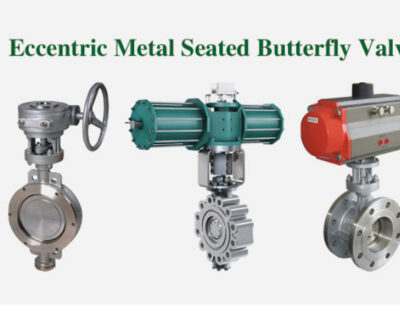
Butterfly valves API 609 may have soft or metal seats. Valves with soft seats are also called “soft-seated” or “resilient” butterfly valves and are of the centric type. Eccentric designs (double or triple offset) are available, generally, with metal seat designs, which could also be fireproof.
For less critical applications, butterfly valves are also available in plastic-grade materials, such as PVC, CVPC, Polypropylene (PP), and Polyethylene (PE). Here are the main features of plastic butterfly valves:
PVC
- Properties: Excellent corrosion resistance to a wide range of chemicals, lightweight, and cost-effective.
- Applications: Suitable for low-pressure applications, including water treatment, chemical processing, and irrigation systems.
CPVC
- Properties: Similar to PVC but can withstand higher temperatures.
- Applications: Used in hot water distribution, and chemical processing where higher temperature resistance than PVC is needed.
PP/PE
- Properties: Excellent chemical and corrosion resistance, lightweight, and suitable for a wide range of temperatures.
- Applications: Chemical processing, water treatment, and applications involving aggressive or corrosive fluids.
SEDE DA VÁLVULA
VÁLVULA BORBOLETA COM ASSENTO MACIO (“RESILIENTE”)
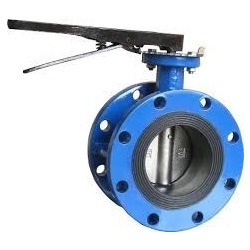
Soft-seated butterfly valves are designed to provide a tight seal and are typically used in applications where the sealing of gases or liquids is critical and where the operating conditions are within moderate temperature and pressure ranges. The “soft seat” refers to the use of elastomeric or other non-metallic, resilient materials for the sealing mechanism between the disc and the valve body, enhancing the valve’s ability to create a tight shut-off.
Principais características
- Sealing Material: The soft seat is usually made from materials such as PTFE (Polytetrafluoroethylene), NBR (Nitrile Butadiene Rubber), EPDM (Ethylene Propylene Diene Monomer), or Viton (a type of fluoroelastomer). Each material offers different properties in terms of chemical resistance, temperature tolerance, and wear characteristics, making them suitable for various applications.
- Tight Shut-Off: Soft-seated butterfly valves are known for their excellent sealing capabilities, providing a near bubble-tight closure. This makes them ideal for applications requiring precise control over the flow and leakage prevention.
- Low Torque Operation: The soft seating material reduces the friction between the disc and the seat, allowing for easy operation with minimal torque requirements.
- Application Versatility: These valves are used in a wide range of applications, from water and wastewater treatment to chemical processing, food and beverage, and HVAC systems, handling a variety of fluids, including corrosive and abrasive media.
Aplicações
Soft-seated butterfly valves are versatile and can be employed in various industrial and commercial applications, including:
- Water and Wastewater: For controlling and regulating water flow in treatment plants, distribution systems, and irrigation.
- Processamento Químico: Handling mild to moderately corrosive fluids, depending on the seat material’s chemical compatibility.
- Food and Beverage: In processes requiring sanitary conditions, where non-toxic and cleanable sealing materials like PTFE are essential.
- Air and Gas Handling: For applications involving air, natural gas, and other gases where a tight seal is crucial to prevent leakage.
Considerações
While soft-seated butterfly valves offer many advantages, there are considerations to keep in mind when selecting them for specific applications:
- Temperature Limits: The elastomeric and plastic materials used for the seats have upper temperature limits, beyond which they may degrade or lose their sealing properties.
- Chemical Compatibility: It’s essential to ensure that the seat material is compatible with the process fluid to prevent damage and ensure long-term reliability.
- Wear and Tear: While soft seats provide excellent sealing, they may be more prone to wear and damage from abrasive media than metal-seated valves.
In summary, soft-seated butterfly valves offer excellent sealing capabilities and are suitable for a wide range of applications requiring precise flow control and tight shut-off. Selecting the appropriate seat material based on the application’s specific requirements is crucial for optimal performance and longevity.
Soft seated butterfly valves (resilient) feature EPDM, VITON, NBR, BUNA-N, and similar soft seats. Soft-seat butterfly valves are generally of the concentric type and suit low-pressure and non-critical applications
Válvula borboleta com sede metálica
Metal-seated butterfly valves are designed for more demanding applications where high temperatures, higher pressures, and abrasive or corrosive media are present. Unlike soft-seated valves, which use elastomeric materials for sealing, metal-seated valves rely on metal-to-metal contact between the disc and the seat, providing durability and resistance in harsh conditions.
Principais características
- Durabilidade: Metal seats are highly durable and resistant to wear, making them suitable for applications involving abrasive particles or high-velocity flows that could damage softer seat materials.
- High Temperature and Pressure Resistance: Metal-seated butterfly valves can withstand higher temperatures and pressures than their soft-seated counterparts, making them ideal for industrial processes involving steam, hot gases, or high-pressure fluids.
- Resistência à corrosão: Depending on the metals used (such as stainless steel, Hastelloy, Inconel, or others), these valves offer excellent resistance to corrosion and chemical attack.
- Leakage: Metal-seated valves may not provide the same level of tight shut-off as soft-seated valves. They are generally designed to meet industry standards for acceptable leakage rates under specific conditions, which is often sufficient for many high-temperature and high-pressure applications.
Materiais para assentos de metal
Aplicações
Metal-seated butterfly valves are chosen for their robustness in challenging environments, including:
- Geração de energia: For handling steam and high-temperature water in cooling systems and boilers.
- Chemical and Petrochemical Industries: In processes involving corrosive fluids, high temperatures, and where valve durability is crucial.
- Mining and Minerals Processing: For slurry and abrasive material handling where valve wear is a concern.
- Pulp and Paper Manufacturing: In applications involving high-temperature liquids and corrosive chemicals used in the pulping process.
Considerações
When selecting a metal-seated butterfly valve, several factors should be considered to ensure it meets the application’s needs:
- Sealing Requirements: While metal-seated valves are durable and handle extreme conditions, they might not achieve the absolute tight shut-off possible with soft-seated valves. Consider the application’s leakage tolerance.
- Material Compatibility: Choose a valve body and seat material that is compatible with the process media and conditions to ensure long-term reliability and performance.
- Operational Torque: Metal-to-metal seating can require higher torque to operate the valve, impacting actuator selection and operational energy costs.
- Custo: Metal-seated valves, especially those made from exotic alloys for enhanced corrosion resistance, can be more expensive than soft-seated valves. However, their durability in harsh conditions may offer a lower total cost of ownership over time.
In summary, metal-seated butterfly valves are an excellent choice for industrial applications that demand high durability, temperature resistance, and the ability to handle abrasive or corrosive media. Proper selection of valve materials and understanding the specific operational requirements are key to maximizing the performance and lifespan of these valves in demanding environments.
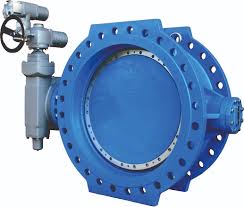 .
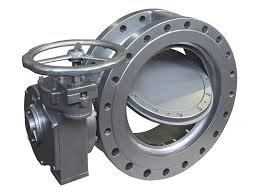
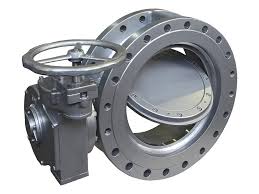
Double offset and triple offset butterfly valve (metal seated)