


Plug Valves – Types, Construction, and Applications
Fluid properties, working pressures, and maintenance routines determine which configuration matches a specific industrial installation. Selecting the appropriate model requires evaluating seating designs, port geometries, and lubrication requirements across the service life of the piping network.

Operating Principles and Construction Components
A plug valve relies on straightforward mechanical components that deliver rapid quarter-turn isolation. Rotating an external handle transfers torque directly through a stem to turn the internal conical or cylindrical plug within the rigid valve body.
When the internal opening sits parallel to the flow path, media passes through with minimal flow resistance. Turning the controlling lever perpendicular to the pipeline brings the solid exterior of the plug against the seating surface, stopping flow completely. The main body surrounds these components, maintaining mechanical alignment and protecting the moving internals from external pipeline stresses.
Internal port configurations dictate flow capacity and system pressure behavior. Port geometry choices include rectangular, round, and diamond apertures designed for specific piping requirements.

Quarter-turn valve construction provides rapid shutoff through direct mechanical engagement.
| Port Shape | Flow Profile | Common System Use |
| Rectangular | Maximum flow | Standard piping requiring low flow resistance |
| Round | Full bore | Systems where moderate flow restriction is acceptable |
| Diamond | Restricted flow | Throttling service requiring incremental fluid control |
Rectangular openings represent the most common format because they maximize open flow area across the plug body. Round openings accommodate standard pipe diameters where precise line restriction is secondary to consistent isolation. Diamond-shaped ports narrow the fluid passage to support throttling control across varying operational speeds.
Primary Types of Plug Valves
Plug valve classifications depend on lubrication methods, mechanical motion, and the number of active ports within the body assembly. Four primary categories dominate industrial fluid handling: lubricated, non-lubricated, multiport, and eccentric configurations.
Lubricated models incorporate radial holes running through the plug structure that distribute specialized lubricant across the seating surfaces. This active film reduces operating friction, prevents internal corrosion, and promotes proper metal-to-metal seating during shutoff. Non-lubricated variants eliminate the manual greasing requirement, using self-contained seat materials to reduce overall acquisition costs in low-pressure networks with lower torque demands.
Directional systems often use multiport units, which house multiple connection points while directing media between two chosen passages based on plug rotation. In contrast, eccentric units rotate an offset plug that only contacts the seat ring at the moment of final closure, reducing sliding friction across intermediate travel positions.
Lubricated Designs
Internal radial channels feed lubricant across the full seating length to lower operating torque and fight corrosion.
Non-Lubricated Units
Simplified assemblies run without lubricant injection, reducing initial purchase cost for low-pressure systems.
Eccentric Motion
IL plug follows an offset path that meets the seat ring only during shutoff, eliminating friction while open.
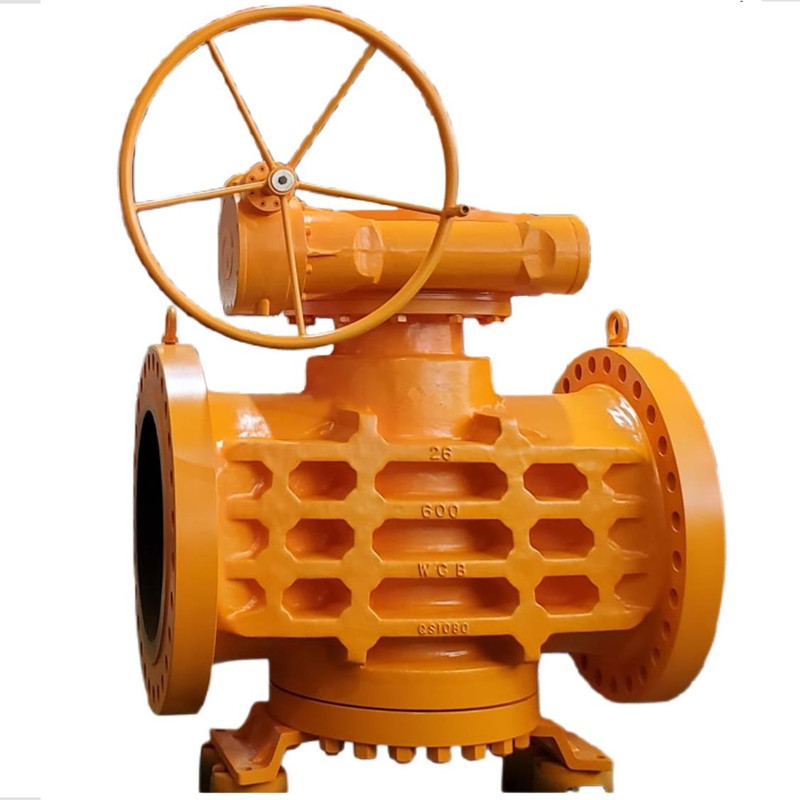
Different plug valve mechanisms suit distinct operational demands and media types.
Multiport options streamline complex piping manifolds by replacing multiple individual shutoff valves with a single diverter body. Careful evaluation of the internal cavity layout remains vital when selecting multiport units, as internal geometry dictates valid flow paths.
Applications, Advantages, and System Limitations
Industrial facilities deploy plug valves across services that require tight shutoff and strict prevention of flow contamination. Common fluid applications include compressed air lines, heavy slurries, wastewater streams, and industrial sewage.
Compact construction makes these valves suitable for tight mechanical spaces where rapid operation is beneficial. Because the internal design avoids complex pockets, the passage creates minimal flow resistance when fully opened, reducing line turbulence across suspended solids. Leak-tight sealing protects downstream equipment from contamination or unintentional drainage.
Operating demands shift significantly as line pressures rise. High-pressure installations introduce substantial friction across the seating area, creating physical challenges for operators who control the valve manually through a standard lever.
Vantaggi
- Quarter-turn operation enables rapid shutoff and opening.
- Minimal internal flow resistance reduces friction in slurry lines.
- Reliable seating seals help prevent line cross-contamination.
- Compact geometry fits restricted pipe rack installations.
Limitazioni
- Manual operation in high-pressure lines demands substantial physical torque.
- Non-lubricated designs exhibit higher vulnerability to mechanical wear.
- Improper throttling using standard rectangular ports can degrade sealing surfaces.

Robust seat sealing supports reliable isolation when handling abrasive slurries and wastewater.
Slurry and sewage systems benefit from the clean sweeping action of the plug face, which pushes settled solids aside during rotation. However, operators must account for actuator sizing or gear assistance whenever pipe diameters and line pressures increase.
Selection Factors and Routine Maintenance
Selecting the right valve starts with analyzing system pressure, media consistency, and desired flow regulation. Matching port profiles to process demands helps maintain steady piping performance over extended service cycles.
Maintenance strategies depend directly on whether the installation uses lubricated or unlubricated valves. In lubricated models, technicians must monitor lubricant dispersal along the internal radial channels to maintain smooth turning torque and protect the plug face against corrosion. Unlubricated units require periodic checks for seat alignment, avoiding overtightening that accelerates seat wear.
Visual inspections identify seat leakage, surface deterioration, or solid accumulation that could impair mechanical movement. Establishing steady inspection routines preserves valve reliability across heavy operating schedules.
Technicians must verify proper lubricant dispersal in lubricated models and check for seating leaks routinely, as abrasive media or debris can obstruct moving components and degrade shutoff performance.
Routine mechanical checks verify that moving components remain free of debris and seat leaks.
Fluid systems handling wastewater or abrasive slurries require frequent inspection for internal corrosion and particulate buildup. Keeping seating faces clear of solid debris supports consistent shutoff and reduces mechanical strain on stems and levers.
Domande frequenti
What is the difference between lubricated and non-lubricated plug valves?
Lubricated plug valves use radial holes to disperse a protective lubricant across the plug face, reducing turning friction and preventing corrosion. Non-lubricated plug valves operate without injected lubricant, offering lower initial costs for low-pressure systems with minimal torque requirements.
How does an eccentric plug valve minimize seat wear?
An eccentric plug valve follows an offset travel path from the seating ring centerline. The plug contacts the seat ring only in the fully closed position, eliminating abrasive contact while the valve remains open or transitions between positions.
Which port shape is best for flow throttling?
Diamond-shaped ports provide the best flow characteristics for throttling service. While rectangular ports offer maximum volume and round ports minimize restriction, diamond ports enable precise flow regulation.
What fluids are commonly handled by plug valves?
Plug valves commonly handle compressed air, wastewater, sewage, and thick slurries. Their simple quarter-turn mechanism provides tight shutoff and resists flow contamination across solid-laden fluids.
What maintenance steps prevent valve seat leaks?
Maintenance teams should inspect seating areas for early leaks, check for internal corrosion, and verify that moving parts remain free of obstructive debris. For lubricated valves, confirming proper lubricant distribution along radial channels maintains effective sealing.
Summary of Plug Valve Implementation
Plug valves provide durable quarter-turn shutoff and flow direction across challenging fluids like sewage, slurries, and air. Choosing between lubricated, non-lubricated, multiport, and eccentric designs depends on line pressure, fluid abrasiveness, and available operating torque. Routine inspection of seating surfaces and consistent lubrication practices keep systems operating reliably.



