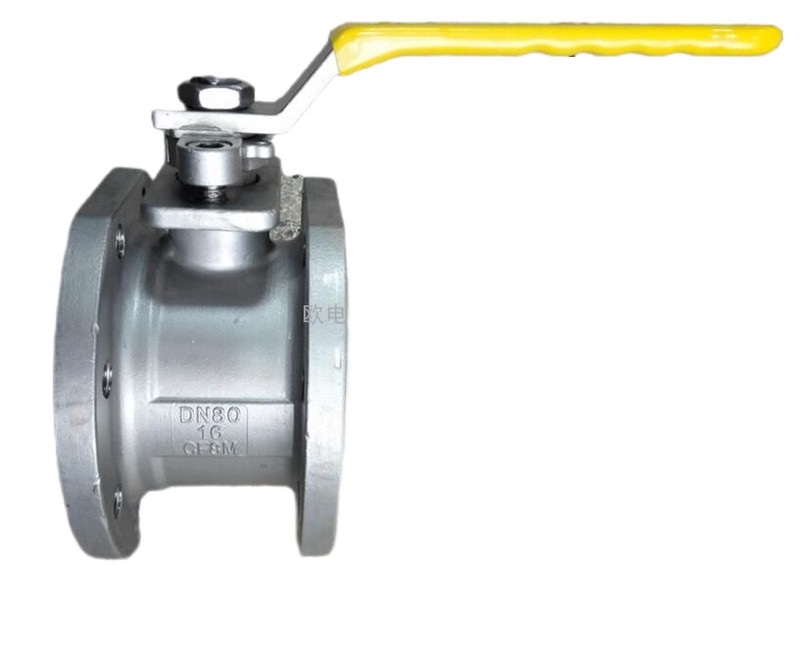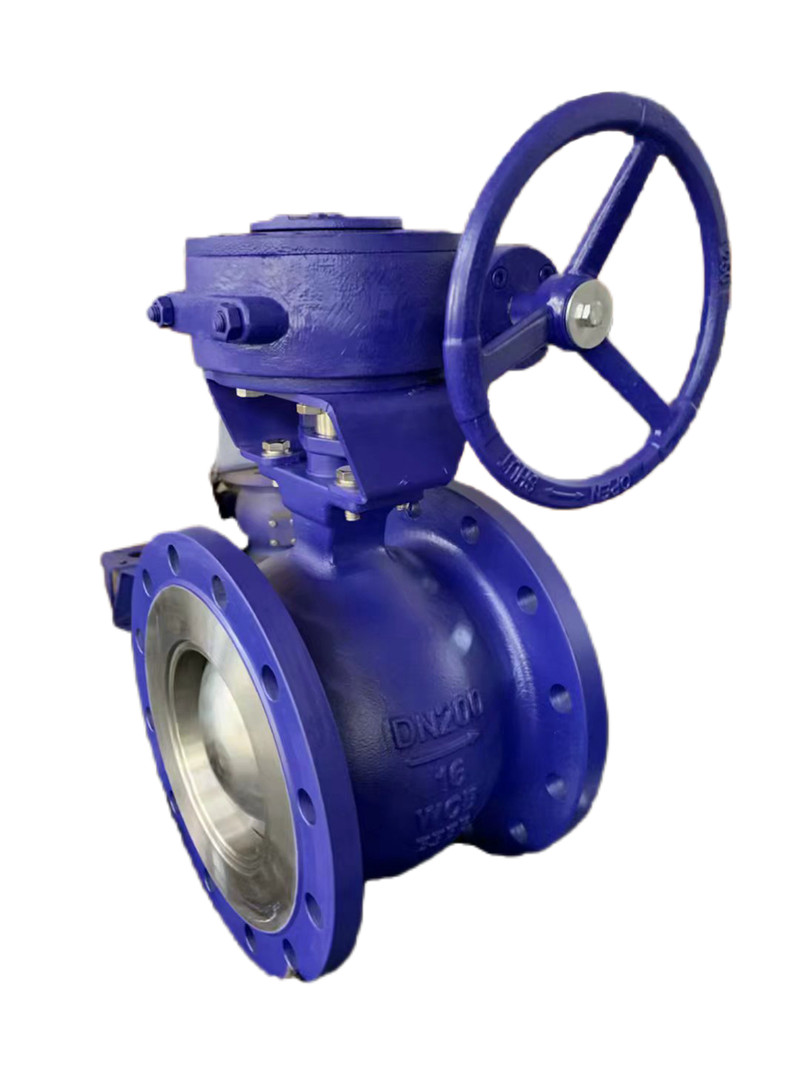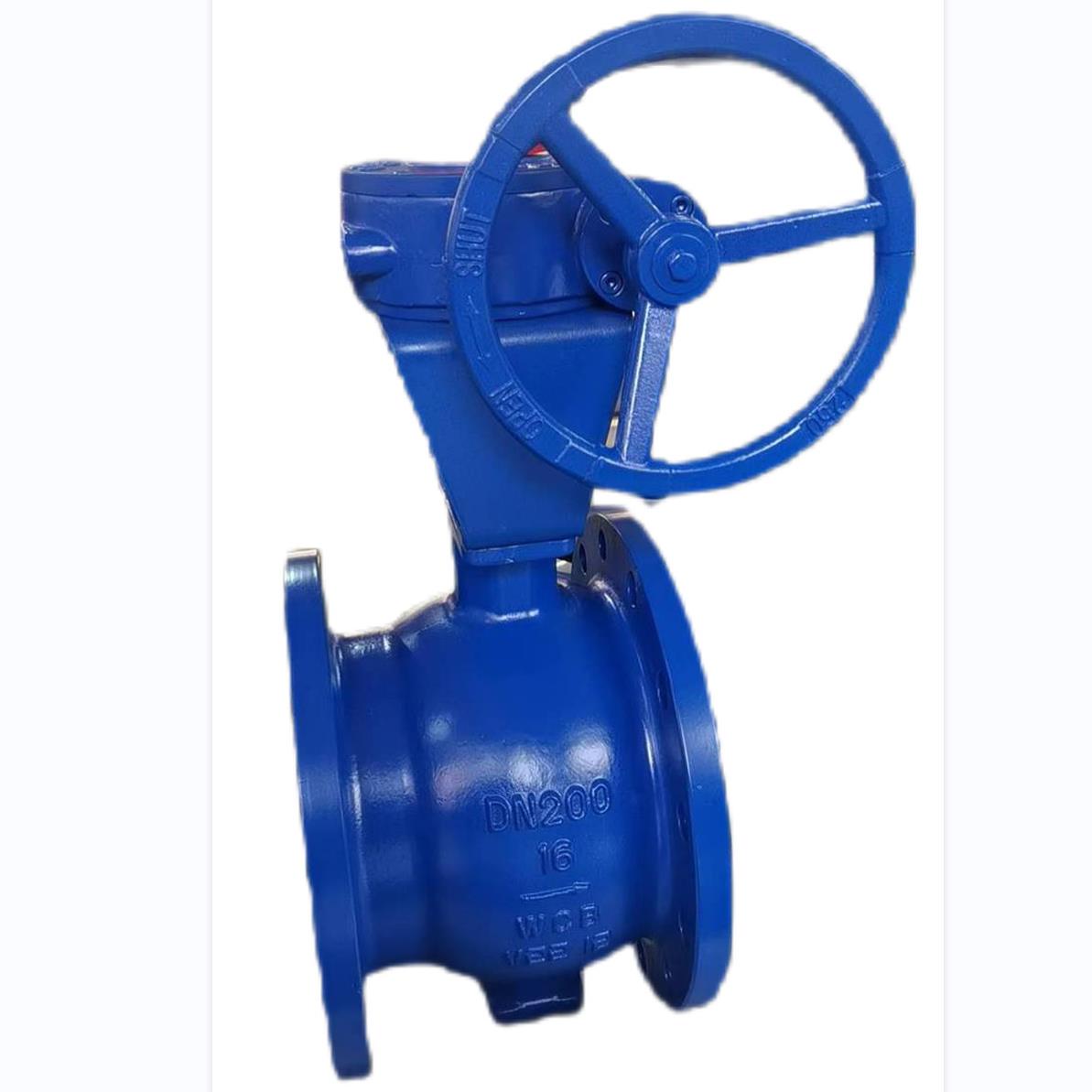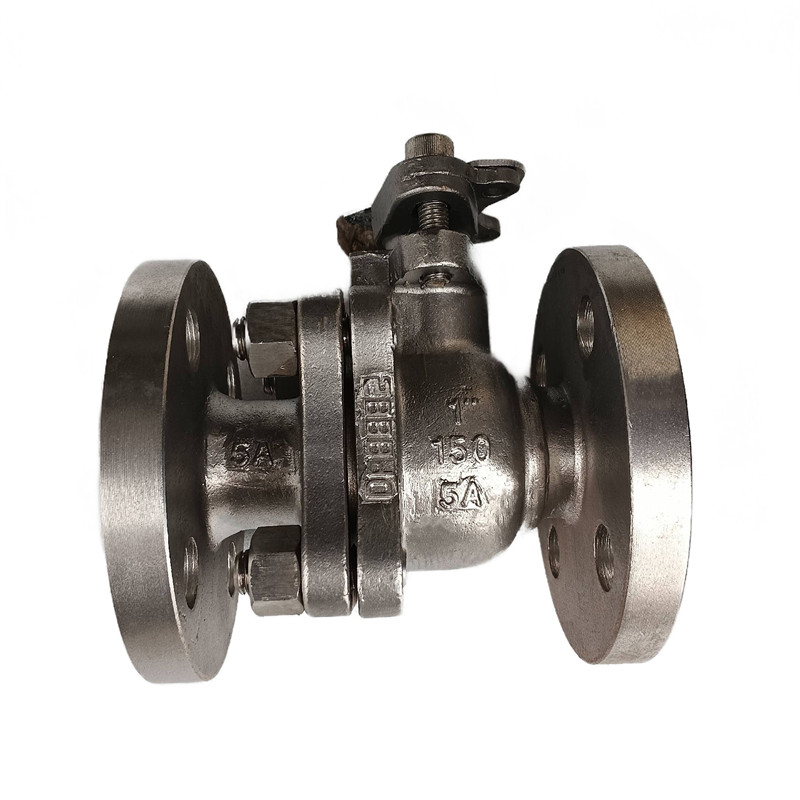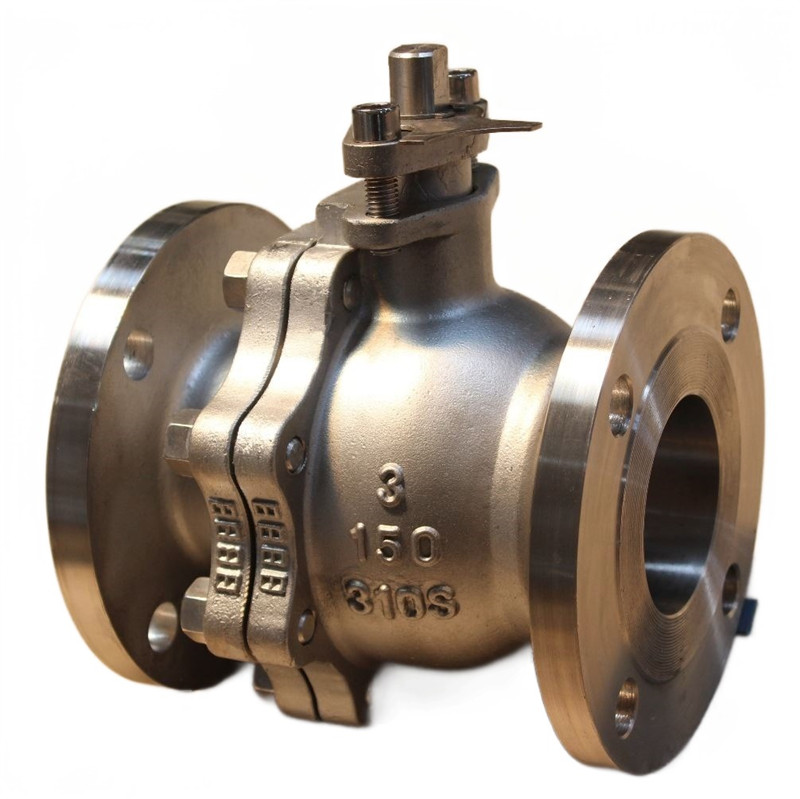


Válvula de bola ASTM A890 4A, 150 lb, 2 pulgadas, extremo RF
Estándar de diseño: API 6D/API 608
A prueba de fuego: API 607/6FA
Clasificaciones de temperatura de presión: ASME B16.34
Rango de tamaños: 2” a 48” (DN50-DN1200)
Puerto: paso total o paso reducido
Rango de presión: 150 lb a 2500 lb
Conexiones finales: RF con bridas, RTJ, soldadura a tope
Tipo de bola: bola sólida forjada
Dimensiones del extremo bridado: ASME B16.5 (24” y menos), ASME B16.47 Serie A o B (más de 24”)
Dimensiones del extremo soldado a tope: ASME B16.25
Dimensiones cara a cara: ASME B16.10
Inspección y Pruebas: API 6D
Materiales del cuerpo: A105/A105N, F304, F316, F316L, F51, F53, F55, C95800, UNS N08825, UNS N06625.
Materiales del asiento: PTFE, RPTFE, DEVLON, NYLON, PEEK, asiento metálico con TCC/STL/Ni.
Descripción de la válvula:
Tipo de válvula: válvula de bola flotante
Material del cuerpo: 2205.
Diámetro nominal: DN80
Clasificación de presión: PN25
Conexión final: Brida RF
Temperatura de trabajo: -29℃~+200℃.
Funcionamiento: Palanca.
Análisis del producto de la válvula de bola ASTM A890 4A
I. Diseño estructural flotante y características funcionales
La válvula de bola 4A American Standard adopta una estructura de conexión de brida flotante. Su diseño principal se basa en el desplazamiento adaptativo de la bola bajo presión media, y el sellado se logra mediante la presión dinámica del asiento de la válvula. Esta estructura combina flexibilidad y fiabilidad, y sus características específicas son las siguientes:
Mecanismo de sellado dinámico: La bola se mueve hacia el asiento de la válvula de salida bajo el empuje del medio, formando un doble efecto de sellado (metal + junta blanda), adecuado para entornos con alta diferencia de presión, y el nivel de sellado puede alcanzar el nivel VI.
Diseño de mantenimiento modular: El asiento de la válvula y el anillo de sellado adoptan módulos desmontables, que se pueden reemplazar sin necesidad de retirar el cuerpo de la válvula, lo que reduce significativamente los costos de mantenimiento.
Optimización del rendimiento antiinterferencias: Se añade una estructura antiexplosión entre el vástago de la válvula y la bola para evitar que el vástago se desprenda debido al impacto de fluidos a alta presión, mejorando así la seguridad.
Funcionamiento con bajo par: La combinación de la bola flotante y el asiento de válvula de PTFE (politetrafluoroetileno) reduce el coeficiente de fricción, reduce el par de accionamiento manual en 30% y hace que la selección de actuadores eléctricos/neumáticos sea más flexible.
2. Evaluación integral del rendimiento de la válvula de bola estándar americana 4A
Ventajas principales:
Adaptabilidad a entornos extremos: El acero dúplex 4A (correspondiente a ASTM A995 Gr.4A o A890 Gr.4A) posee alta resistencia mecánica y a la corrosión gracias a su estructura dúplex austenita-ferrita. Su resistencia a la corrosión bajo tensión por cloruros es más de cinco veces superior a la del acero inoxidable 304. Es idóneo para la desalinización de agua de mar, el tratamiento de fluidos con contenido de azufre en yacimientos de petróleo y gas, entre otros.
Amplia estabilidad en el rango de temperaturas: La temperatura de funcionamiento abarca desde -46 ℃ hasta 300 ℃, y el material del asiento de la válvula puede ser PTFE reforzado o un sello metálico rígido para satisfacer las necesidades de transporte de vapor a alta temperatura y gas natural licuado (GNL) a baja temperatura.
Garantía de cero fugas de fluido: Ha superado la prueba de sellado bidireccional de la norma API 598, con una tasa de fuga inferior a 0,1 × DN mm³/s, cumpliendo así con los estrictos requisitos de protección ambiental.
Limitaciones:
Sensibilidad al costo: El costo del material del acero dúplex 4A es aproximadamente 40% más alto que el del acero inoxidable austenítico ordinario, y los procesos de forjado y tratamiento térmico son complicados, lo que resulta en un alto costo total de la válvula.
Requisitos de precisión para la instalación: La estructura flotante requiere una calibración precisa de la coaxialidad de las tuberías. Las desviaciones superiores a 0,5° pueden provocar un desgaste irregular en la superficie de sellado.
III. Propiedades del material y parámetros mecánicos del acero dúplex 4A
Composición química (ASTM A995 Gr.4A):
Cr (24-26%): forma una película de óxido densa para resistir la corrosión por picaduras y por hendiduras;
Ni (6-8%): equilibra la proporción de la fase austenítica y mejora la tenacidad a bajas temperaturas;
Mo (3-4%): mejora la resistencia a la corrosión ácida reductora;
N (0,2-0,3%): sustituye parte del elemento níquel, optimiza el coste y mejora la resistencia.
Propiedades mecánicas:
Resistencia a la tracción: 820-930 MPa, superior a los 620 MPa del acero dúplex ordinario (como el 2205);
Límite elástico: ≥550 MPa, adecuado para sistemas de tuberías de alta presión;
Resistencia al impacto: Energía de impacto Charpy con entalla en V ≥40 J a -46 ℃, adecuada para entornos extremadamente fríos;
Control de dureza: HRC≤32, para evitar la rotura por fragilidad de la superficie de sellado.
IV. Normas de fabricación y sistema de certificación
La fabricación de las válvulas de bola estándar americanas 4A cumple con las siguientes normas nacionales e internacionales para garantizar la fiabilidad durante todo su ciclo de vida:
Especificaciones del material:
ASTM A995/A890: especifica la composición de la fundición y el proceso de tratamiento térmico;
ASTM A182 F51: Normas de procesamiento de forjado para garantizar la resistencia de los vástagos y las bolas de las válvulas.
Diseño estructural:
API 6D/API 608: define el tamaño de la válvula, la presión nominal y los métodos de prueba;
ASME B16.34: Criterios de diseño para conexiones de bridas y límites de presión.
Certificación de pruebas:
ISO 5208: Ensayo de clasificación del rendimiento de sellado;
NACE MR0175: Verificación de la resistencia al agrietamiento en ambientes de sulfuro de hidrógeno, adecuada para condiciones ácidas en campos de petróleo y gas.
V. Escenarios de aplicación y recomendaciones de selección
Las válvulas de bola estándar americanas 4A destacan especialmente en los siguientes campos:
Ingeniería marina: sistema de refrigeración por agua de mar, tubería submarina, resistencia a la corrosión por iones cloruro y a la adhesión biológica;
Proceso químico: transporte en medio de ácido sulfúrico y ácido clorhídrico, tolerancia a ambientes fuertemente ácidos con pH < 2;
Campo energético: control de la cabeza del pozo a alta presión que contiene H₂S y CO₂ en la extracción de gas de esquisto para prevenir el agrietamiento por corrosión bajo tensión de sulfuros (SSCC).
Aspectos a tener en cuenta al seleccionar:
Tipo de sellado: el sellado blando (PTFE) es adecuado para fluidos limpios, mientras que el sellado duro (carburo de tungsteno) se utiliza para fluidos que contienen partículas;
Selección del actuador: elija un sistema de accionamiento neumático, eléctrico o de turbina según la presión de la tubería y la velocidad de respuesta.
VI. Tabla de clasificación de presión aplicable para válvulas de bola estándar americanas 4A
IV. Campo de aplicación de la válvula de bola de titanio con brida
Petroquímica: Aplicable a diversas tuberías de medios en las industrias del petróleo, química, metalurgia y otras, como medios ácidos, alcalinos, de alta temperatura, alta presión, etc.
Aeroespacial: Aplicable a varios sistemas de tuberías en el campo aeroespacial, como sistemas hidráulicos, sistemas de combustible, sistemas neumáticos, etc.
Desarrollo oceánico: aplicable a diversos sistemas de tuberías de medios en el campo del desarrollo oceánico, como tratamiento de agua de mar, extracción de petróleo en alta mar, etc.
Producción médica: aplicable a diversos sistemas de tuberías de medios en el campo de la producción médica, como fabricación de equipos, fermentación biológica, etc.
Tabla de aplicación del calibre de presión de la válvula de bola de titanio con tecnología de prensado isostático en caliente
Podemos producir válvulas de bola 2205, válvulas de compuerta 2205, válvulas de globo 2205, válvulas de retención 2205, etc.
6. Tabla de clasificación de presión aplicable de la válvula de bola ASTM A890 4A:
| Presión nominal o nivel de presión | Diámetro interno DN/NPS(mm/in) | ||||||||||||
| 15 | 20 | 25 | 32 | 40 | 50 | 65 | 80 | 100 | 125 | 150 | 200 | 250 | |
| 1/2 | 3/4 | 1 | 11/4 | 11/2 | 2 | 21/2 | 3 | 4 | 5 | 6 | 8 | 10 | |
| PN16 | √ | √ | √ | √ | √ | √ | √ | √ | √ | √ | √ | √ | |
| PN25 | √ | √ | √ | √ | √ | √ | √ | √ | √ | √ | √ | √ | |
| PN40 | √ | √ | √ | √ | √ | √ | √ | √ | √ | √ | √ | √ | |
| PN63 | √ | √ | √ | √ | √ | √ | √ | √ | √ | ||||
| PN100 | √ | √ | √ | √ | √ | √ | √ | √ | √ | ||||
| PN160 | √ | √ | √ | √ | √ | √ | √ | √ | √ | ||||
| Clase 150 (PN20) | √ | √ | √ | √ | √ | √ | √ | √ | √ | √ | √ | √ | √ |
| Clase 300 (PN50) | √ | √ | √ | √ | √ | √ | √ | √ | √ | √ | √ | √ | |
| Clase 600 (PN110) | √ | √ | √ | √ | √ | √ | √ | √ | √ | ||||
| Clase 900 (PN150) | √ | √ | √ | √ | √ | √ | |||||||
| Clase 1500/PN260 | √ | √ | √ | √ | √ | √ | |||||||
| JIS 10K | √ | √ | √ | √ | √ | √ | √ | √ | √ | √ | √ | √ | √ |
| JIS 20K | √ | √ | √ | √ | √ | √ | √ | √ | √ | √ | √ | √ | |
Fabricante chino de válvulas de bola ASTM A890 4A, OUdian suministra válvulas de bola flotantes ASTM A890 4A, válvulas de bola flotantes ASTM A890 4A, válvulas de bola ASTM A890 4A de 2 pulgadas y válvulas de bola flotantes ASTM A890 4A de 150 lb.