

How to Select Ball Valve for your pipe systerm
Piping layouts dictate physical envelope constraints, connection styles, and flow rate demands. Operational criticality, routine service access, and fluid velocity determine whether a basic manual brass valve or an actuated flanged alloy unit represents the sound choice.
Evaluating Fluid Properties, Pressure, and Temperature
System media dictates the chemical compatibility and mechanical resilience demanded from every internal and external valve component. Corrosive chemicals, abrasive slurries, high-pressure steam, and potable water each impose unique physical stresses on valve internals. Analyzing fluid phase, density, viscosity, and chemical concentration prevents accelerated degradation of the ball, stem, and surrounding pressure boundary.
Working pressure defines the minimum structural pressure rating class for the valve housing. Standard industry designations classify valves to handle peak working conditions with adequate safety margins above normal operational baseline levels. Selecting a valve with an insufficient pressure rating risks seat distortion, external leakage through the stem packing, or catastrophic casting rupture.
Continuous thermal exposure directly alters the tensile strength of valve metals and the elasticity of sealing rings. Elevated temperatures degrade soft elastomeric seals, leading to seal blowouts and localized flow passage blockage. Extremely low temperatures create material embrittlement, requiring specialized alloy bodies and extended bonnet designs to protect stem packing.
| Service Parameter | Piping Consideration | Selection Impact |
| Fluid Media | Chemical Attack | Dictates body metallurgy and seat material compatibility. |
| Slurry Flow | Abrasive Wear | Requires metal seated configurations or hardened surfaces. |
| System Pressure | Peak Shock | Determines ANSI or DIN pressure class requirements. |
| Working Heat | Thermal Expansion | Limits acceptable elastomeric and polymer seat options. |
| Cryogenic Flow | Metal Embrittlement | Necessitates extended stems and stainless alloys. |
Sizing the Valve and Choosing Port Designs
Nominal valve size must align with calculated flow coefficients rather than merely matching adjoining pipe nominal diameter. Oversizing or undersizing a valve produces unwanted pressure drops, accelerated cavity wear, or excessive operating torque. Proper sizing calculates the flow coefficient to balance throughput volume with acceptable fluid velocities across all flow conditions.
Port geometry controls flow resistance, turbulence, and cleanability across the piping line. Choosing the internal bore profile governs whether the valve restricts pipeline pigging, creates localized vortexes, or adds friction loss. Three primary internal port geometries serve industrial and commercial fluid systems.
Full Port Design
Internal sphere diameter matches pipe inside diameter. Provides unrestricted fluid travel with negligible pressure drop, allowing line pigs to pass through.
Standard Port Design
Internal bore measures one pipe size smaller than adjoining connections. Balances moderate flow resistance with lower valve body weight and reduced operational torque.
V-Port Design
Features a contoured V-notch opening in the rotating ball. Enables precise flow modulation and predictable linear throttling characteristics across partial open angles.
Standard port units suit straightforward isolation where minor flow resistance causes no operational disruption to pumps or downstream fixtures. Full bore versions remain essential for suction lines, high-viscosity media, and slurries prone to sediment buildup. V-notch geometry provides throttling control in automated process regulation lines.
Selecting Body Materials, Sealing, and End Connections
The structural shell and internal trim must withstand external environmental exposure and internal pressure boundary stresses. Valve bodies utilize cast or forged metals alongside rigid thermoplastics, depending on operating severity and fluid reactivity. Soft seat inserts provide bubble-tight closure, whereas hard metal seats handle high temperatures and abrasive solids.
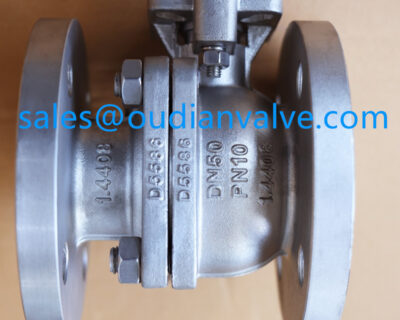
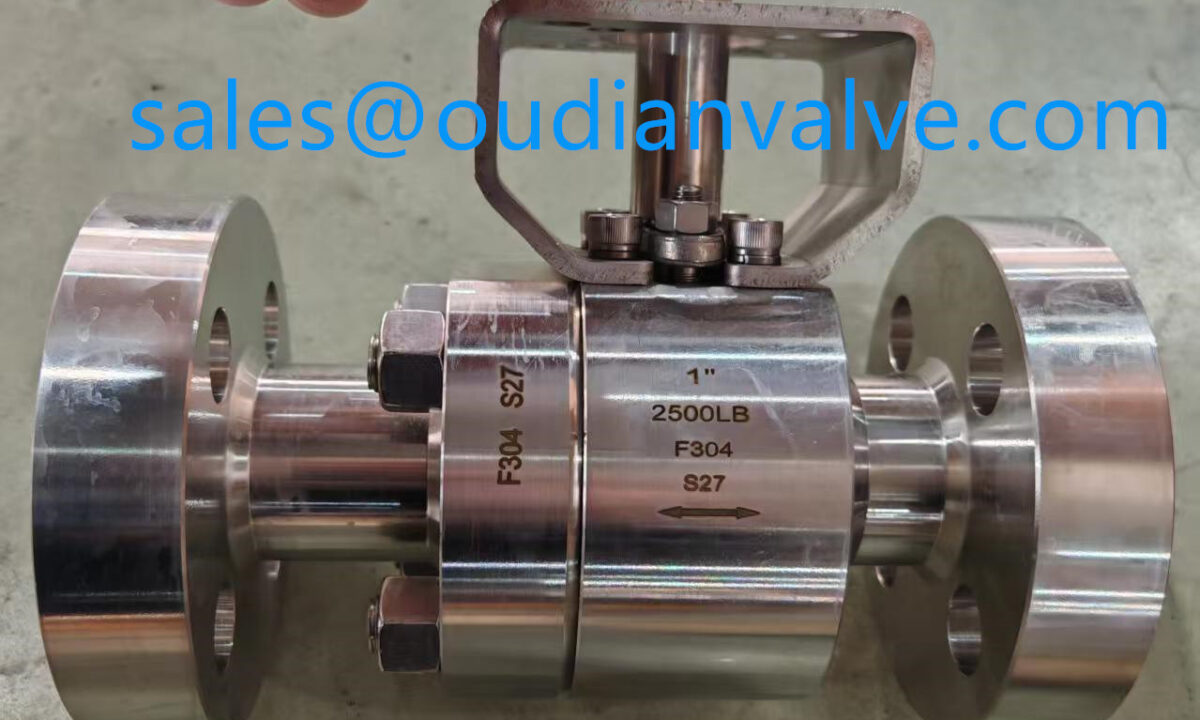
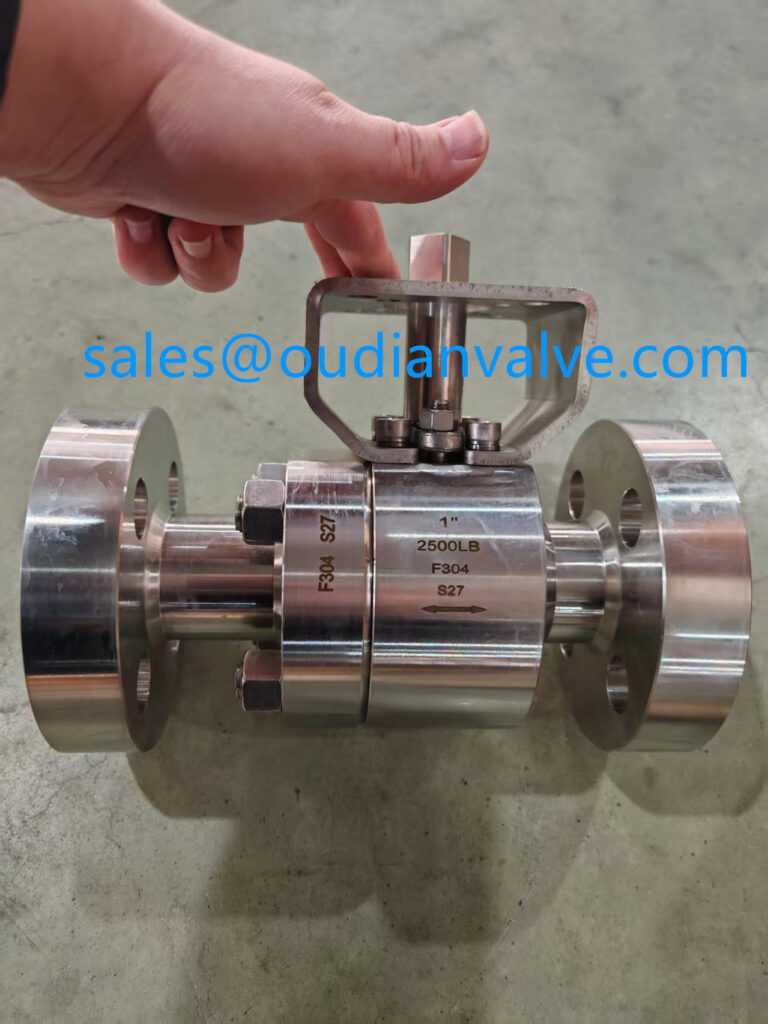
End connection configurations dictate mechanical integrity, leak resistance, and ease of maintenance disconnections. Threaded ends suit compact utility lines, socket welds seal hazardous fluids permanently, and flanged connections simplify replacement on large industrial headers. Matching connection geometry to adjacent pipe flanges and fittings prevents stress cracking and misalignment leaks.
Common Body Materials
- Stainless steel for aggressive chemicals, washdown sanitation, and high temperatures.
- Carbon steel for robust industrial steam, hydrocarbon, and structural utility lines.
- Forged brass and bronze for commercial water supply and general low-pressure utility lines.
- PVC and CPVC thermoplastics for low-temperature corrosive acids and water treatment.
Sealing Components
- PTFE polymer seats for low friction and universal chemical resistance.
- Reinforced PTFE for higher pressure boundaries and elevated thermal conditions.
- Fluoroelastomer O-rings for resilient secondary stem sealing against fuels and solvents.
- Tungsten carbide coated metal seats for severe abrasive particulate services.
Threaded connections remain common on smaller pipe runs where rapid assembly lowers labor overhead. Welded configurations eliminate potential fugitive emission paths around hazardous volatile chemicals. Flanged installations allow rapid unbolting during plant turnarounds without disturbing adjacent piping supports.
Actuation Methods, Industry Standards, and Certifications
Operating torque, response velocity, and control integration determine whether manual handles or powered actuators are required. Manual lever handles suit localized, low-frequency isolation where operators inspect valve status directly. Automated valve assemblies utilize pneumatic or electric actuators to control remote, hazardous, or high-cycle flow networks.
Pneumatic actuators deliver fast cycle speeds, fail-safe spring returns, and reliable operation within explosive atmospheres. Electric multi-turn or quarter-turn actuators offer precise positioning feedback, silent operation, and seamless integration with industrial plant control systems. Proper sizing accounts for break-away torque, dynamic line pressures, and seat friction under dry fluid conditions.
- ASME standards governing flange face dimensions, wall thickness, and hydro-test pressures.
- API specifications defining fire-safe seat testing, fugitive emissions, and pipeline valve criteria.
- ISO valve mounting flanges ensuring modular actuator interchangeability without custom brackets.
- NSF standards certifying potable water contact safety and lead-free alloy construction.
Regulatory compliance protects operational facilities against environmental fines and containment failures. Fire-safe certified valves maintain an emergency seal even when elastomeric packing burns away during a facility fire. Potable water networks mandate certified lead-free materials to eliminate chemical leaching into drinking lines.
A Systematic Selection Framework and Cost Considerations
A structured engineering workflow eliminates specification oversights and prevents costly field retrofits. Evaluating variables sequentially establishes clear parameters before purchase orders are issued. Following a disciplined procedure aligns operating limits with capital expenditure restrictions.
- Define media composition, operational temperature boundaries, and maximum line surge pressures.
- Establish nominal pipe diameter, target flow rate coefficient, and permissible pressure loss thresholds.
- Select body casting alloys, internal ball plating, and elastomeric or metallic seat materials.
- Determine pipe connection geometry based on facility pressure class and maintenance disassembly needs.
- Choose manual lever, gear operator, pneumatic cylinder, or electric motor actuation methods.
- Verify compliance with relevant fire-safe, sanitary, pressure vessel, or pipeline code certifications.
Initial purchase price represents only a fraction of total lifecycle expenditure for industrial flow components. Cheap valves constructed from lower-grade brass or thin stampings fail prematurely, causing unplanned line shutdowns and expensive product losses. Investing in robust three-piece body designs or corrosion-resistant stainless alloys lowers lifetime replacement costs and minimizes downtime.
Installation Practices, Maintenance, and Common Mistakes
Correct installation methods protect valve integrity and support consistent shutoff performance across years of service. Weld heat must never transfer into assembled soft seats, as thermal distortion destroys sealing rings prior to commissioning. Adequate pipe alignment prevents bending moments from binding the rotating ball inside its housing.
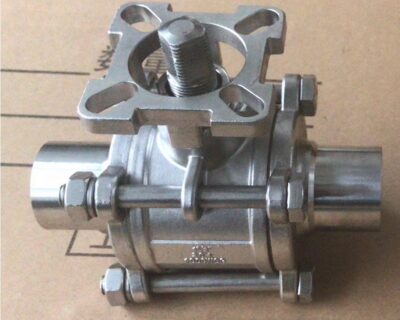
Routine maintenance schedules require periodic visual checks of stem packing areas for signs of weeping or crystallizing chemical crusts. Three-piece valve bodies permit inline maintenance, allowing technicians to replace worn polymer seats without unthreading end caps from the pipe run. Greasing lubricated plug valves or cycling infrequently operated units cleans scale off polished spheres.
Avoid using standard isolation ball valves as throttling devices, as high-velocity fluid flow erodes exposed seat edges and causes permanent seat leakage. Protect soft-seated valves from extreme welding heat by disassembling body center sections prior to joining socket-weld fittings.
Neglecting chemical compatibility charts ranks among the most frequent specification errors in aggressive fluid piping. Another standard error involves installing reduced bore valves in pump suction lines, triggering cavitation and destructive vibration. Maintaining a clean fluid stream through upstream strainers prevents foreign particulates from scratching polished internal spheres.
Preguntas frecuentes
What is the primary difference between full port and standard port ball valves?
A full port valve features an internal bore diameter equal to the connecting pipe, which minimizes pressure loss. A standard port valve contains a ball bore one size smaller than the pipe diameter, producing a slight pressure drop while reducing overall valve weight and cost.
Why do soft-seated ball valves leak after high-temperature exposure?
Soft seat materials like PTFE or elastomers deform and lose structural resilience when thermal limits are exceeded. This thermal degradation breaks the seal contact face against the ball, allowing fluid to bypass the closed sphere.
Can a standard ball valve serve as a flow throttling valve?
Standard quarter-turn ball valves are intended primarily for on-off isolation service. Partially opening a standard bore exposes localized seat edges to erosive fluid turbulence, which quickly ruins shutoff capability.
How does connection type influence valve selection?
End connections dictate pressure retention limits, installation labor, and ease of valve servicing. Flanged and three-piece threaded designs allow quick inline seat replacement, while welded connections eliminate fugitive emissions in critical hazardous lines.
Summary of Pipe System Valve Selection
Selecting the right ball valve requires balancing fluid compatibility, working pressure, system temperature, and port sizing. Choosing durable body alloys and appropriate seat materials supports reliable long-term isolation and protects downstream equipment. Methodical specification before installation reduces unplanned piping maintenance and avoids premature component failure.