


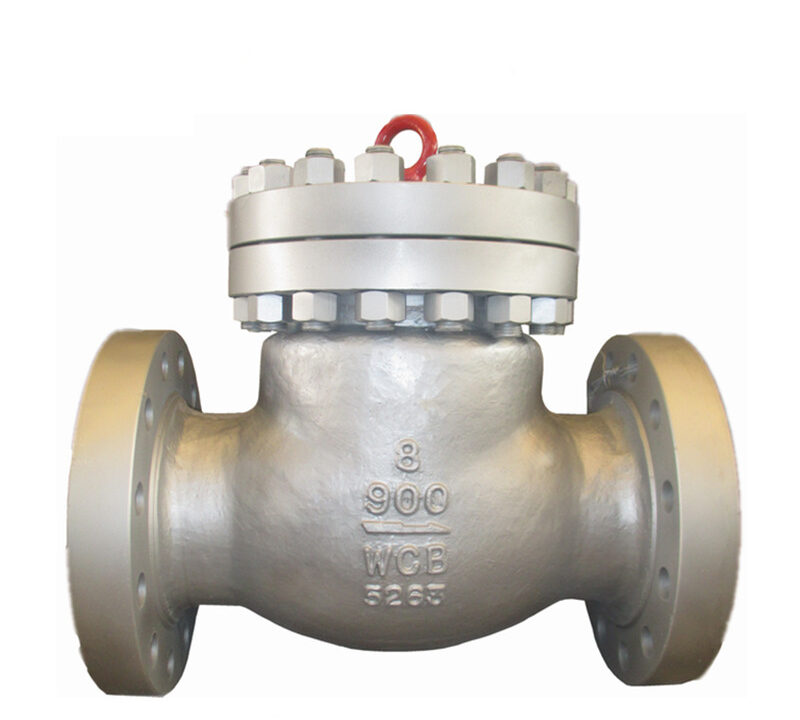
WCB Valve – Meaning, vs. WCC
WCB Valve – Meaning, vs. WCC
In industrial piping and flow control, WCB designates weldable cast B-grade steel manufactured under ASTM A216 specifications. Understanding the WCB valve meaning vs WCC allows piping engineers and plant operators to match valve pressure boundaries correctly to operating temperatures, mechanical loads, and fluid media.
Material selection between these two cast carbon steels depends on system design pressure, required yield strength, and economic considerations. While both grades serve high-temperature pressure systems, compositional variations in manganese alter mechanical performance and commercial availability across industrial sectors.
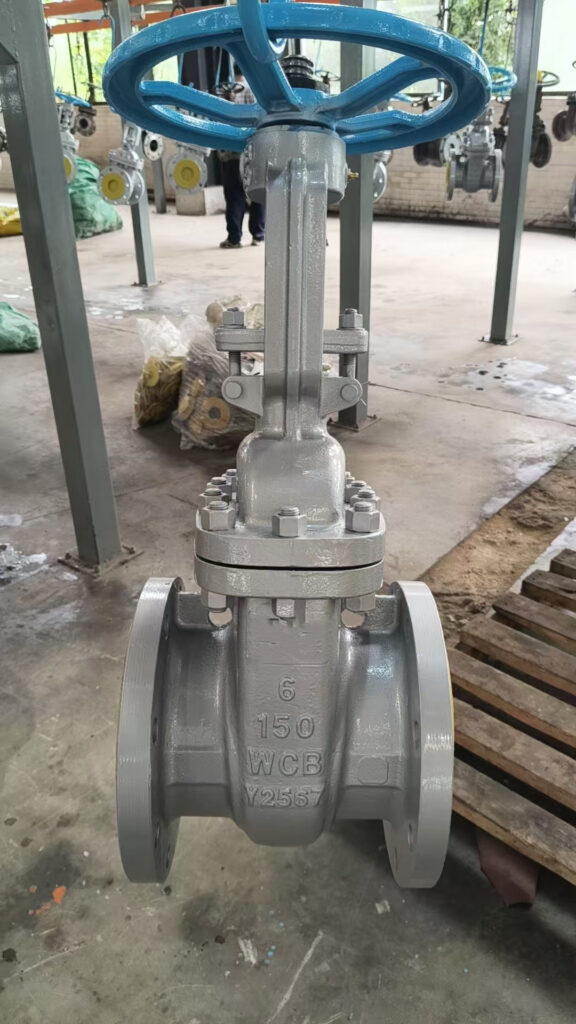
What WCB Valve Means in Industrial Piping
The letters in WCB identify the casting method, base metal family, and quality grade classification. Specifically, the designation stands for Weldable Cast B-grade Steel, where carbon acts as the primary alloying component within an iron matrix.
Cast steel serves as an umbrella term for iron-based casting alloys containing measured carbon levels. Unlike gray iron or ductile cast irons, cast steel alloys do not undergo eutectic transformation during solidification. This metallurgical characteristic gives the solidified metal higher plasticity, impact toughness, and ductility under mechanical stress.
Adjusting the carbon proportion within cast steel directly modifies the strength and hardness of the finished valve body. Higher hardness lowers wear rates across valve seating areas, internal flow paths, and structural walls. Such durability remains critical for maintaining component longevity in demanding process installations.
The WCB designation signifies a weldable cast carbon steel rated at grade B, providing balanced ductility, toughness, and field weldability for industrial pressure containment.

ASTM A216 Standards and Cast Steel Production
Standard specification ASTM A216 governs carbon steel castings intended for valves, flanges, fittings, and other pressure-containing parts operating in high-temperature service. The standard establishes strict chemical thresholds, mechanical limits, and visual casting inspection criteria.
Casting presents clear manufacturing advantages over forging when fabricating complex valve bodies. The casting process allows molten metal to fill intricate internal galleries, tortuous flow paths, and variable wall thicknesses in a single pour. Forging complex internal geometry requires extensive secondary machining that drives up production expenses.
Producing WCB castings involves melting selected metal charges, pouring molten liquid into prepared sand or investment molds, and allowing controlled cooling. ASTM standards require that every finished casting remains free of sand inclusions, cracks, shrinkage cavities, hot tears, and harmful surface discontinuities.
- Melting raw iron and carbon charges in electric arc or induction furnaces to exact melt chemistry.
- Pouring molten steel into precision molds designed to form complex valve cavities and flow ports.
- Cooling and solidifying the metal under controlled thermal conditions to prevent internal shrinkage.
- Cleaning the raw casting through shakeout, abrasive blasting, and non-destructive surface examination.

Chemical Composition and Element Limits of WCB
The chemical composition of ASTM A216 WCB balances iron and carbon with manganese, silicon, and controlled residual elements. Carbon content reaches a maximum allowable threshold of 0.30 percent by weight, providing tensile strength without sacrificing ductility.
ASTM A216 permits an intentional compositional balance between carbon and manganese. For every 0.01 percent reduction of carbon below the 0.30 percent maximum, the permissible manganese content can increase by 0.04 percent. This formula permits manganese to reach an absolute ceiling of 1.28 percent, helping fabricators optimize toughness without compromising field weldability.
Residual elements in WCB cast steel undergo rigorous compositional caps to prevent brittle phase formations. Elements including copper, nickel, chromium, molybdenum, and vanadium are restricted so that their combined total remains within a maximum of 1.00 percent of the total alloy makeup.
Compositional Advantages
- Controlled carbon levels maintain pliability during on-site piping weld operations.
- Manganese balancing improves solid-solution hardening without inducing excessive brittleness.
- Strict residual element limits prevent unwanted hot cracking and material segregation.
Compositional Limitations
- Absence of high chromium levels limits resistance in highly aggressive acid environments.
- Elevated carbon limits compared to low-carbon steels require controlled welding preheat practices.
- Unalloyed matrix lacks scaling resistance at extreme high-temperature thresholds.

Mechanical Properties and Strength Characteristics
ASTM A216 WCB displays balanced mechanical properties that make the alloy suitable for broad pressure containment duties. The material exhibits high tensile strength alongside substantial yield capability, allowing valve bodies to endure cyclic system pressures.
Yield strength defines the stress level at which the valve material undergoes permanent plastic deformation. WCB provides reliable yield strength that prevents valve body distortion during line surges, bolt tightening, and thermal expansion. Maintaining dimensional stability prevents internal binding of valve stems, discs, and sealing rings.
High plasticity and impact toughness allow WCB valves to absorb mechanical shock and pipeline vibration without catastrophic cracking. These physical characteristics make cast carbon steel a preferred construction material for heavy machinery, utility headers, and process manifolds.
Balanced yield strength and high plasticity prevent structural valve distortion during intense pressure spikes, preserving internal sealing alignment across operating cycles.

Valve Types Manufactured from WCB Cast Steel
Because WCB balances structural integrity, machinability, and production economy, manufacturers use the material across virtually all standard valve designs. Casting accommodates both linear-motion and quarter-turn configurations with equal reliability.
WCB cast bodies withstand fluid velocities, turbulent flow paths, and structural piping moments across extensive distribution networks. Common valve constructions fabricated from ASTM A216 WCB include isolation, throttling, non-return, and filtration equipment.
From simple on-off utility services to modulated throttling stations, WCB provides the base structural envelope across diverse process plants. The material pairs effectively with various internal trim materials, including stainless steels and hard-faced stellite alloys.
Quarter-Turn Valves
Ball valves and plug valves use WCB bodies for rapid isolation in gas, liquid, and hydrocarbon utility streams.
Linear-Motion Valves
Gate valves, globe valves, and needle valves utilize WCB to deliver dependable shutoff and fine flow throttling.
Check Valves and Strainers
Swing check valves, wafer check valves, and pipeline strainers rely on cast steel to resist backflow impact and collect debris.
Understanding WCC Grade Under ASTM A216
Standard ASTM A216 establishes three distinct grading levels for cast carbon steels: Grade A (WCA), Grade B (WCB), and Grade C (WCC). Grade C represents the highest strength rating within this specific specification framework.
Moving from Grade A through Grade C, the specification permits higher manganese concentrations and mandates higher minimum yield and tensile strengths. WCC was developed to provide enhanced pressure containment capability without moving into costlier low-alloy or stainless steel metallurgy.
WCC cast steel exhibits high material density and excellent grain boundary bonding during casting solidification. The resulting microstructural density gives WCC valve castings superior resistance to mechanical deformation under elevated design pressures.
- ASTM A216 Grade A (WCA) offers the lowest yield strength with maximum cold-forming ductility.
- ASTM A216 Grade B (WCB) provides general-purpose strength, balanced ductility, and broad market availability.
- ASTM A216 Grade C (WCC) achieves maximum yield strength and enhanced pressure containment capability through elevated manganese.

WCB Valve Meaning vs WCC: Chemical and Physical Differences
Evaluating WCB valve meaning vs WCC requires analyzing the specific chemical tolerances and resulting mechanical strengths defined by ASTM standards. While both materials utilize carbon and iron bases, subtle alloy adjustments produce distinct physical characteristics.
Both grades apply identical residual element restrictions, limiting combined copper, nickel, chromium, molybdenum, and vanadium to a 1.00 percent maximum. However, WCC permits a broader manganese window. For every 0.01 percent reduction of carbon below the 0.30 percent maximum, the manganese in WCC can increase by 0.04 percent up to an absolute ceiling of 1.40 percent, compared to the 1.28 percent limit for WCB.
This increased manganese allowance increases solid-solution strengthening in WCC. Consequently, WCC achieves higher minimum yield strength and tensile strength values than WCB, permitting higher maximum allowable working pressures across comparable temperature classes.
| Material Property | ASTM A216 WCB | ASTM A216 WCC | Comparative Engineering Impact |
| Carbon Limit | 0.30% Max | 0.30% Max | Both grades maintain identical carbon maximums for field weldability. |
| Manganese Ceiling | 1.28% Max | 1.40% Max | Higher manganese ceiling gives WCC greater hardness and yield strength. |
| Yield Strength | Standard Level | Higher Level | WCC withstands higher line stresses without plastic deformation. |
| Residual Limits | 1.00% Combined | 1.00% Combined | Identical residual caps maintain weld puddle stability and toughness. |
| Market Availability | Widespread | Specialized | WCB dominates off-the-shelf distributor inventory across the United States. |
Pressure and Temperature Ratings in Service
Under ASME B16.34 pressure-temperature rating tables, carbon steel casting grades receive defined maximum allowable working pressures according to temperature increments. Higher yield strength allows WCC to retain higher pressure ratings at elevated operating temperatures.
Both materials perform reliably across elevated thermal ranges, making them standard selections for steam, boiler feed water, and thermal fluid lines. Thermal retention characteristics during welding operations make both grades pliable, allowing smooth joint execution during plant construction.
However, exceeding recommended operating limits introduces risks of graphitization, creep deformation, or loss of bolt preload. Piping specifications must verify design temperature against ASME material group tables before finalizing material callouts.
Exceeding published ASME B16.34 temperature limits for cast carbon steels risks microstructural degradation, requiring higher-alloy chromium-molybdenum materials for extreme heat.
Toughness, Weldability, and Corrosion Considerations
WCB and WCC maintain high weldability ratings under standard fabrication procedures. The steel retains heat effectively during joining operations, keeping the heat-affected zone pliable and reducing the risk of cold cracking during cooling.
Both cast carbon steels resist degradation in non-corrosive media, providing long service lives in hydrocarbon liquids, dry gases, and treated boiler waters. However, neither grade contains the chromium content required to resist strong acids, chlorides, or aggressive marine atmospheres without external coating or specialized internal trim.
The structural integrity of WCB and WCC remains stable during post-cast machining, drilling, and shaping operations. Flange facings, bonnet joint gasket surfaces, and internal seat pockets machine smoothly to close engineering tolerances.
Field Weldability
Both alloys weld smoothly using standard preheat protocols, retaining heat to lower microstructural stress across pipe joints.
Corrosion Behavior
Effective in non-corrosive hydrocarbons, dry gas, and clean steam, but susceptible to pitting in raw marine or acidic media.

Industrial Applications and Media Suitability
Industrial flow networks depend on cast steel valves to isolate lines, throttle streams, and regulate pressures safely. WCB and WCC serve extensively across oil refining, natural gas transportation, chemical processing, and power generation facilities.
Valves made from WCB control standard utility fluids, including saturated steam, cooling water, compressed air, and non-corrosive petrochemical products. The material’s mechanical toughness prevents structural failure from line vibrations or hydraulic shock loads.
WCC finds preferred application where operating pressures push the upper envelope of standard class ratings, or where international project specifications dictate Grade C metallurgy. In critical transmission headers, WCC provides additional design margins without requiring alloy steel upgrades.
Petrochemical and Gas Processing
WCB valves isolate hydrocarbon lines, crude oil transfers, and fuel gas feeds across refinery process units.
Power and Utility Systems
WCC and WCB manage high-pressure steam distribution, condensate returns, and boiler feedwater supplies.

Valve Selection Criteria: Choosing Between WCB and WCC
Choosing between WCB and WCC involves balancing structural performance requirements against commercial availability and component price. While WCC offers higher yield strength and greater density, WCB fulfills the operational parameters of most industrial facilities.
Because WCC contains higher manganese and requires tighter foundry controls, WCC valves generally carry a higher purchase price. For standard piping classes, the marginal increase in mechanical strength provided by WCC rarely justifies the higher procurement cost and extended foundry lead times.
Consequently, WCB represents the overwhelming majority of stocked cast carbon steel valves in distributor inventories. Engineers specify WCC primarily when specific piping codes, high operating pressures, or severe mechanical stresses demand its elevated yield strength.
Select ASTM A216 WCB When
- Standard ASME class pressure-temperature limits satisfy system design.
- Broad market availability and rapid distributor delivery are required.
- Fluid media consists of non-corrosive water, steam, gas, or oil.
- Project budgets require economical cast steel procurement.
Select ASTM A216 WCC When
- Operating pressures approach the threshold of standard class ratings.
- Engineering specifications mandate higher minimum yield strength.
- Structural stress requires maximum casting density and tensile resistance.
- Project standards explicitly designate Grade C over Grade B metallurgy.
Frequently Asked Questions About WCB and WCC Valves
What does WCB stand for in valve terminology?
WCB stands for Weldable Cast B-grade Steel under the ASTM A216 standard specification. The designation identifies a carbon steel casting alloy designed for pressure-containing parts in elevated temperature service.
What is the primary difference between WCB and WCC?
WCC permits a higher maximum manganese content of 1.40 percent compared to 1.28 percent for WCB. This increased manganese provides WCC with higher yield strength and higher pressure containment capabilities.
Can WCB valves be welded directly into piping systems?
Yes, WCB steel possesses high weldability and retains heat during welding operations, keeping the joint pliable. Standard field welding procedures and appropriate preheating protocols allow reliable joining to adjacent pipe spools.
Why is WCB more common than WCC in industry?
WCB satisfies standard pressure and temperature requirements across most industrial piping systems at a lower manufacturing cost. As a result, valve manufacturers and stockists maintain extensive inventories of WCB valves for immediate delivery.
Are WCB and WCC valves suitable for corrosive chemicals?
WCB and WCC perform well in non-corrosive fluids such as steam, water, oil, and gas, but lack resistance to harsh acids or chlorides. Highly corrosive chemical environments require stainless steel, duplex alloys, or specialized lined valves.
Summary of WCB and WCC Valve Material Selection
WCB and WCC provide dependable pressure containment across high-temperature steam, hydrocarbon, and utility piping systems. While WCC delivers higher yield strength and superior pressure ratings through increased manganese, WCB remains the industry standard due to balanced mechanical durability, ease of welding, and widespread commercial availability.



