


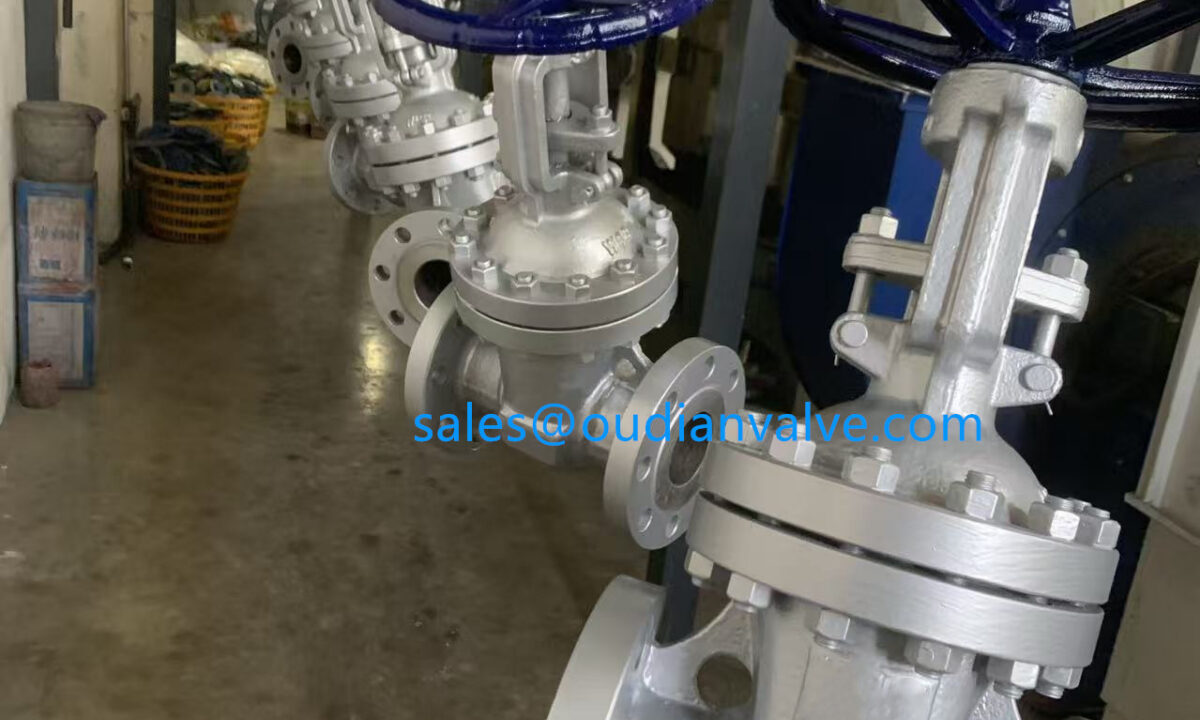
Valve Selection Guide: What to Think About When Buying a Valve
Process conditions, chemical compatibility, line size, and operational frequency dictate whether an isolation, throttling, non-return, or automated control device is appropriate. Following a comprehensive evaluation sequence helps operators identify reliable options for industrial, commercial, and residential piping installations.

Defining Primary Valve Functions and Valve Types
Valves manage fluid movement by starting, stopping, regulating, or redirecting process flow within a piping network. Identifying the primary mechanical duty represents the first step in the selection process, as valves engineered for tight isolation perform poorly when subjected to continuous flow throttling.
Selecting the incorrect valve configuration causes severe turbulence, mechanical vibration, and seat erosion. Quarter-turn ball valves and multi-turn gate valves serve distinct isolation purposes, whereas globe valves and diaphragm assemblies provide tailored control over fluctuating line flow. Check valves prevent reverse flow automatically, protecting upstream equipment like pumps and compressors from hydraulic shock.
| Tipul de supapă | Primary Function | Rezistență la curgere | Common System Role |
| Valvă cu bilă | On-off isolation | Very low | Quick quarter-turn shutoff in clean liquid and gas supply lines. |
| Supapă de poartă | System isolation | Minimal | Infrequent operation on high-capacity lines requiring straight-through flow. |
| Valvă globulară | Flow throttling | Moderate to high | Precise regulation of steam, gas, and cooling water lines. |
| Valvă fluture | Isolation and control | Low to moderate | Compact installation across large-diameter utility and cooling circuits. |
| Supapă de sens invers | Backflow prevention | Low to moderate | Automatic defense against reverse line flow near pump discharges. |
| Diaphragm Valve | Throttling and shutoff | Moderat | Handling abrasive slurries, sanitary streams, and aggressive chemical reagents. |
| Control Valve | Automated regulation | Variable | Continuous modulation of pressure, temperature, and flow via actuators. |
Multi-port configurations like three-way ball valves streamline piping by combining diversion and mixing duties into a single housing. Evaluating whether the line needs bubble-tight shutoff or modest continuous regulation clarifies the broad mechanical category required before evaluating internal dimensions.
Diverse valve geometries accommodate specific flow management roles across utility and process lines.
Media Properties and Material Compatibility
The chemical and physical properties of the conveyed media dictate the construction materials for the valve body, seals, stem, and internal trim. Corrosive reagents, abrasive slurries, volatile gases, and viscous liquids each demand specialized metallurgy and elastomeric combinations to avoid degradation.
Cast iron and carbon steel deliver structural durability in non-corrosive, high-strength services such as steam distribution or petroleum processing. Stainless steel alloys, duplex steels, and nickel alloys resist localized pitting and acidic attack in aggressive process chemistry. Non-metallic choices like PVC, CPVC, and PTFE linings provide lightweight, inert performance in corrosive ambient environments or low-temperature pickling lines.
Elastomer and packing materials must align with fluid chemistry. Fluorocarbon, EPDM, and PTFE soft seats exhibit vastly different chemical resistance profiles, swelling tendencies, and thermal degradation limits when exposed to process fluids.
Abrasive particles suspended within liquid streams degrade standard metal seating surfaces rapidly. Hard-faced trim, ceramic coatings, or elastomeric diaphragm barriers help resist mechanical erosion caused by entrained solids. Media purity standards in sanitary processing, pharmaceutical manufacturing, and drinking water delivery also dictate smooth surface finishes and clean-in-place ratings.
Matching internal trim metallurgy and soft seals to fluid composition prevents premature seat breakdown.
Pressure and Temperature Operating Limits
Operating pressure and working temperature together define the structural envelope of any valve. Pressure ratings establish the mechanical capacity of the pressure-retaining boundary, while operating temperatures influence the tensile yield strength of metals and soften elastomeric seals.
Standard pressure classifications, such as Class ratings or nominal pressure designations, govern wall thickness, flange dimensions, and bolt spacing. Operating near maximum ratings accelerates component wear and increases the risk of stem packing extrusion. In addition, rapid thermal cycling introduces thermal stresses that can cause body-to-bonnet leaks or cause internal rotating elements to bind.
Elevated operating temperatures substantially reduce the allowable working pressure of both metallic bodies and soft seats. Reviewing pressure-temperature de-rating tables from technical data sheets helps avoid over-pressurization during peak thermal events.
Transient pressure spikes, commonly known as water hammer, occur when quick-closing valves halt moving fluid columns abruptly. Selecting valves with controlled stroke timing or installing pulsation dampers shields the piping network from structural shock. Cryogenic services demand extended bonnets to keep packing glands insulated from extreme sub-zero temperatures, while high-temperature steam lines require graphite-based packings.

System pressure classes and ambient thermal swings dictate wall thickness and bonnet sealing specifications.
Flow Requirements, Valve Sizing, and Pressure Drop
Accurate valve sizing matches system throughput without imposing excessive hydraulic restriction or inducing high-velocity wear. Equating valve diameter directly to adjoining pipe diameter often leads to over-sizing, causing erratic flow control and premature seat erosion.
Sizing methodology relies on the flow coefficient, which quantifies the volume of water passing through a fully opened valve at a specified differential pressure drop. Calculating the required flow coefficient using expected operating flow rates, inlet pressure, and allowable pressure drop determines the optimal internal port diameter. Oversized control valves tend to operate close to the seated position, producing hunting, seat chatter, and wire-drawing damage across the sealing surface.
- Undersized valves restrict process flow, creating high pressure drops, excessive line velocity, and elevated energy consumption from pumping systems.
- Oversized throttling valves lose precision across lower flow ranges and suffer from rapid seat wear when operating near the shut position.
- Full-port ball valves minimize line resistance and facilitate mechanical pipeline cleaning operations without flow interruption.
- Reduced-port designs lower procurement costs and work reliably when modest line restriction remains acceptable to process requirements.
Cavitation presents an operational hazard in liquid systems when static pressure falls below the vapor pressure of the media, forming vapor cavities that collapse violently downstream. Flashing occurs when fluid pressure remains below vapor pressure, resulting in high-velocity two-phase flow that erodes downstream components. Specifying specialized anti-cavitation trim or staged pressure-reduction internals mitigates these damaging phenomena.

Calculating flow coefficients avoids the operational instability and seat damage associated with oversized valves.
Actuation, End Connections, and Operating Environment
The installation method and actuation mechanism govern how a valve integrates into surrounding infrastructure and responds during process cycles. Piping connection styles depend on system pressure, pipe material, maintenance frequency, and line size.
Threaded connections suit smaller diameter lines requiring basic assembly, while welded sockets and butt-weld joints eliminate leakage points in high-pressure steam and hazardous chemical services. Flanged connections simplify valve removal and replacement during scheduled plant turnarounds. Wafer and lug styles reduce physical weight and installation footprint in large-diameter butterfly valve setups.
Manual Operation
Hand levers, handwheels, and mechanical gearboxes provide dependable manual positioning for valves operated infrequently or without automation.
Pneumatic Actuation
Piston and diaphragm pneumatic actuators offer rapid cycle response, high seating torque, and fail-safe positioning using compressed air reserves.
Electric Actuation
Motor-driven actuators deliver precise modulating control, comprehensive digital diagnostics, and operation in remote sites without air supplies.
Environmental factors around the installation site dictate external protective measures. Marine atmospheres, underground burial, cleanroom protocols, and explosive vapor areas require specialized surface coatings, hermetic enclosures, or explosion-proof electrical enclosures. In addition, orientation limitations must be observed, as some check and gate valves require horizontal positioning to ensure proper disc seating.

Proper connection styles and actuator types maintain mechanical integrity across distinct operational environments.
Safety Standards, Maintenance, and Total Cost of Ownership
Long-term valve performance depends on compliance with technical manufacturing standards and realistic lifecycle budgeting. Purchasing decisions focused solely on initial acquisition cost frequently overlook maintenance downtime, packing adjustments, seat replacements, and premature line failures.
Industry standards establish manufacturing consistency, material traceability, pressure integrity, and fire-safety compliance across critical infrastructure. Standard fire-test specifications evaluate a valve’s ability to maintain containment during extreme thermal exposure. Fugitive emission standards limit volatile compound leakage through the stem packing, promoting plant safety and environmental compliance.
Evaluating total cost of ownership involves combining initial purchase expense, routine packing maintenance, seat rebuild kits, actuator energy consumption, and projected plant downtime required for servicing.
Maintenance accessibility influences lifecycle costs. Top-entry valve designs allow technicians to inspect, service, or replace internal trim while the valve body remains welded into the piping run. Choosing designs with field-adjustable stem packing and grease injection fittings simplifies preventive maintenance, extending the active operational lifespan of the installation.
Valve Selection Guide Checklist and Common Pitfalls
A systematic specification sequence prevents frequent engineering oversights when ordering replacement or new construction valves. Overlooking fluid characteristics, line expansion, or seat compatibility introduces operational bottlenecks that disrupt process efficiency.
Common selection mistakes include specifying standard gate valves for continuous flow throttling, which induces intense disc vibration and seat scoring. Another frequent error is neglecting to check chemical compatibility charts for secondary elastomeric O-rings. Verifying all design parameters against an established checklist minimizes specification discrepancies.
- Define the precise functional role, deciding whether the application calls for isolation, backflow prevention, pressure relief, or automated throttling.
- Identify fluid properties in detail, including physical state, operating viscosity, chemical composition, presence of particulates, and corrosive characteristics.
- Establish operating boundaries by recording minimum and maximum design pressures, operating temperatures, and transient thermal swings.
- Calculate required flow coefficient and verify suitable line sizing instead of defaulting to adjacent pipe diameter.
- Select body metallurgy, stem alloys, and internal trim materials compatible with process chemistry and ambient environmental conditions.
- Verify end connection dimensions, face-to-face standards, actuator torque requirements, and physical clearance for installation and maintenance access.
Following this structured approach before finalizing equipment requisitions keeps installations running smoothly and reduces unforeseen service interruptions.
Frequently Asked Questions
What is the difference between a ball valve and a globe valve?
A ball valve employs a spherical closure element for fast, quarter-turn isolation with low pressure drop. A globe valve utilizes a linear-motion disc closing against an internal seat ring to regulate and throttle flow precisely.
Why should gate valves not be used for throttling?
Partially opened gate valves experience high-velocity fluid flow concentrated along the bottom edge of the wedge. This concentration causes severe vibration, disc chattering, and erosion across the seating surfaces, preventing tight shutoff later.
What does the flow coefficient Cv mean when sizing a valve?
The flow coefficient Cv defines the capacity of a valve to pass fluid, measured as the volume of water moving through the valve per minute with a specified pressure drop. Higher Cv values indicate greater flow capacity and lower restriction across the valve body.
How does operating temperature affect valve material selection?
Operating temperatures alter the mechanical strength of metal bodies and define the degradation limits of soft elastomer seals. Extreme thermal conditions require specialized packing materials, de-rated pressure boundaries, or extended bonnets to avoid leaks.
What causes cavitation in industrial control valves?
Cavitation happens when static fluid pressure drops below the liquid vapor pressure inside a restriction, forming vapor bubbles. When downstream pressure recovers, these bubbles collapse violently against metal surfaces, pitting internal trim and creating intense noise.
Final Considerations for Valve Selection
Selecting the right valve involves balancing fluid mechanics, mechanical materials, actuation demands, and maintenance accessibility against process operating boundaries. Evaluating pressure-temperature limits, calculating proper flow coefficients, and verifying chemical compatibility prevents premature component failure and preserves line efficiency. Utilizing an organized review process before procurement supports steady operational performance and controls long-term facility expenses