

Top 10 Best Check Valves In Brazil
System operating conditions, fluid characteristics, line velocity, and piping orientation determine which valve geometry delivers consistent performance. Evaluating domestic manufacturing capabilities alongside authorized imported valve solutions helps engineers secure accessible spare parts and long-term technical support. Specifications and market availability fluctuate, making careful verification of operating parameters essential prior to procurement.
How Check Valves Regulate Unidirectional Flow
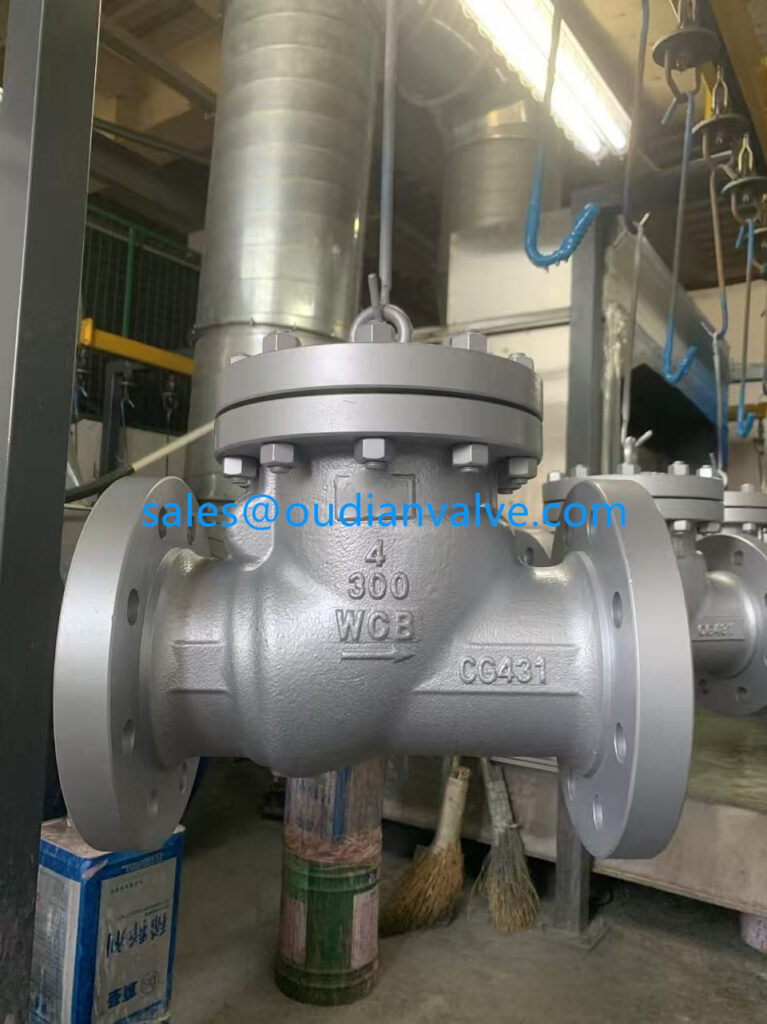
Check valves operate automatically based on differential line pressure rather than manual intervention or electrical signals. The internal closure element moves off its seating surface once upstream fluid achieves sufficient cracking pressure to overcome gravity or spring resistance. Downstream backpressure and reverse velocity immediately push the closure element against the elastomeric or metal seat, blocking backflow and protecting upstream pumps.
Fluid dynamics dictate how smoothly the closure mechanism responds when line velocity drops to zero. Rapid closure reduces fluid acceleration in the reverse direction, which lowers the magnitude of pressure spikes commonly called water hammer. Different closure geometries manage these kinetic forces through distinct mechanical paths suited to specific flow regimes and media properties.
Swing Mechanism
A hinged disc rotates on a pivot pin, swinging fully open with forward fluid velocity and resting back against the seat when flow subsides.
Dual Plate Wafer
Two semicircular plates mounted on a central hinge fold forward under flow and shut rapidly via torsion spring tension as velocity drops.
Lift and Axial Plug
A guided disc or plug lifts vertically or travels along a horizontal centerline axis, supported by a compression spring for tight shutoff.
Standards and Operating Conditions in Brazil
Industrial piping in Brazil operates under rigorous engineering norms established by the Brazilian National Standards Organization alongside specialized client guidelines such as Petrobras technical standards. Compliance with ABNT NBR standards ensures physical dimensional compatibility, wall thickness adequacy, and hydrotesting consistency across domestic projects. International frameworks including ASME, API, and DIN/EN frequently govern oil, gas, chemical processing, and sanitary installations throughout the country.
Environmental conditions across Brazil impose specific material demands on flow control equipment. Tropical humidity, coastal atmospheric salinity, and aggressive mining slurries require careful evaluation of base alloys and protective coating systems. Selecting appropriate metallurgy prevents premature galvanic attack, stress corrosion cracking, and seat erosion in challenging municipal and marine environments.
Petrobras specifications often mandate traceability for pressure-retaining castings, strict non-destructive testing, and specific elastomeric compounds formulated to handle volatile hydrocarbons and sour gas service.
Standardized flange patterns facilitate routine maintenance and compatibility with existing piping runs.
Comprehensive Check Valve Selection Criteria
Choosing the correct check valve model prevents unexpected line shutdowns, chatter, and accelerated seat wear. Engineers must align valve dimensions with calculated flow velocities rather than simply matching nominal pipe diameters, because oversized valves chatter in low-flow regimes. Verification of pressure classes, temperature ratings, and chemical compatibility protects both the valve components and downstream equipment.
Regional parts availability and certified service infrastructure within Brazil represent essential selection factors for long-term operations. Sourcing valves with local technical representation shortens lead times for soft seal replacement kits, hinge pins, and spring components during scheduled turnarounds.
- Flow direction and piping orientation: verify whether horizontal, vertical upward, or vertical downward piping accommodates the chosen valve mechanism.
- Pressure class and cracking pressure: select pressure thresholds that allow complete disc opening during regular pumping cycles to minimize pressure drop.
- Connection types: choose between flat-face flanged, raised-face flanged, wafer, lug, threaded, or solvent-weld ends according to piping specifications.
- Materials of construction: match carbon steel, ductile iron, stainless steel, bronze, or engineered polymers to the fluid corrosiveness and operating temperature.
- Maintenance access: prefer top-entry or bolted-bonnet bodies that allow internal inspection without unbolting the entire valve body from the pipeline.
- After-sales and local inventory: verify authorized regional distributor networks in Brazil capable of providing original replacement seals and factory calibration.
Common Applications Across Brazilian Industries
Different commercial and industrial operations present unique physical demands on check valves across Brazilian facilities. Agricultural irrigation systems require grit-tolerant valves capable of handling untreated river water containing sand and silt. Municipal water treatment facilities demand smooth-bore designs that prevent particulate deposition while maintaining low head loss across extended transmission distances.
Offshore exploration in the pre-salt basins, petrochemical refining, and heavy manufacturing require heavy-duty valves capable of containing high temperatures and extreme working pressures. Building service networks, such as commercial plumbing and HVAC chillers, emphasize compact dimensions, quiet non-slam closure, and certified potable water safety.
Commercial HVAC & Plumbing
Axial and silent lift check valves stop backflow in tall vertical risers and booster pump sets while eliminating noisy pipe shudder.

Agriculture & Irrigation
Rugged swing and foot valves retain pump prime and prevent back-siphonage in demanding field conditions carrying raw water.
Top Check Valves in Brazil: Models 1 to 4
The Brazilian flow control market features both domestic manufacturing leaders and globally recognized imported brands. Domestic production provides rapid response times and close alignment with ABNT standards, while specialized imports serve niche high-temperature or extreme chemical environments. The following models represent proven choices for municipal, residential, and heavy industrial applications.
Lupatech stands out as a prominent Brazilian manufacturer known for engineering high-performance valves for oil, gas, and industrial processing. The Lupatech Dual Plate Wafer Check Valve uses spring-loaded semicircular discs that shut before flow reversal occurs, protecting large centrifugal pumps against dynamic surge. Fabricated in carbon steel, stainless steel, and ductile iron with API and ASME pressure ratings, this domestic model offers rapid turnaround for spare parts across Brazil, though low-pressure gravitational flows may struggle to open spring-loaded plates fully.
For commercial building networks and domestic plumbing, the Docol Universal Retencao Check Valve represents a staple domestic brass solution. Designed with a guided internal plunger and high-grade elastomeric seal, it supports installation in horizontal, vertical, and diagonal piping runs. It excels in booster pump sets, hot water lines, and residential plumbing circuits, offering broad retail availability across Brazilian hardware distributors, although its compact threaded format limits its use in large municipal trunklines.
Deca manufactures the Deca Retencao Pesada Industrial Swing Check Valve, a heavy-duty cast bronze check valve widely utilized in commercial installations and light manufacturing. The swing disc design provides a full-bore flow path that generates minimal head loss in liquid and steam circuits. Its robust bronze construction resists dezincification in treated water, though swing designs require horizontal or upward vertical flow configurations and can produce audible closure impact in rapid-cycling pump systems.
The Danfoss NVD 402 Cast Iron Check Valve is a widely distributed imported axial non-slam valve favored in HVAC and industrial water pumping. Featuring an epoxy-coated ductile iron body and a guided bronze disc with an elastomer seat, this valve delivers quiet operation and reliable closing characteristics. It is readily stocked by authorized commercial HVAC distributors across Brazil, but high-temperature steam lines exceed the operational limits of its standard internal seals.
Guided disc check valves provide versatile mounting orientations in tight equipment spaces.
Top Check Valves in Brazil: Models 5 to 7
Mid-sized industrial plants and chemical handling facilities demand robust sealing across aggressive liquids and abrasive fluids. Standardizing on reputable valve platforms simplifies plant inventory and minimizes operator training during maintenance overhauls. The models in this tier deliver dependable performance across chemical lines, utilities, and civil infrastructure.
The Genebre Model 2415 Stainless Steel Flanged Swing Check Valve is an imported option built from CF8M stainless steel with ASME/DIN flange drillings. It handles corrosive chemicals, industrial food processing streams, and light steam distribution where carbon steel would deteriorate. Genebre maintains strong distributor partnerships throughout southeastern and southern Brazil, providing dependable access, though the swing geometry necessitates steady flow rates to prevent disc flutter.
Tigre produces the Tigre PVC Retencao Soldavel Check Valve, a prominent domestically manufactured thermoplastic valve engineered for irrigation, pool networks, and light agricultural water transport. Built from durable PVC with an internal spring-loaded rubber seal, this valve resists chemical degradation from fertilizers, chlorine, and soil acidity. It is universally available across Brazilian retail building suppliers, though its application scope remains restricted to low-temperature, low-pressure non-metallic piping systems.
Valmicro, a Brazilian manufacturing division within the Flowserve organization, produces the Valmicro Wafer Check Valve series engineered to ASME Class specifications. Featuring precision-machined stainless and alloy steel components, this compact wafer model drops neatly between standard flanges in processing plants and fuel distribution terminals. It combines Brazilian manufacturing support with strict international quality control, although installation requires exact bolt torque alignment to avoid pinching internal disc clearances.
Thermoplastic check valves eliminate corrosion risks in agricultural fertilizer injection lines but require adequate protection against prolonged solar ultraviolet radiation.
Top Check Valves in Brazil: Models 8 to 10
Specialized industrial operations including high-pressure steam distribution, slurry processing, and municipal pressure management require dedicated check valve designs. These systems experience harsh cycling, thermal expansion, and mechanical vibration that quickly compromise standard plumbing components. Selecting premium industrial configurations minimizes downtime and extends operational lifecycles.
The Spirax Sarco DCV3 Disc Check Valve is an internationally recognized wafer check valve fabricated from austenitic stainless steel, widely stocked by Spirax Sarco do Brasil. Designed primarily for steam, condensate return, and industrial process fluids, its spring-assisted disc design facilitates mounting in any piping plane while maintaining minimal face-to-face dimensions. While capital investment sits higher than conventional cast iron valves, its durability in thermal cycling environments makes it an industrial benchmark.
Bray Controls manufactures the Bray Series 70 Dual Plate Check Valve, a resilient-seated wafer non-slam valve distributed across mining, water transmission, and industrial utility projects in Brazil. Its dual-plate construction reduces the travel distance of each disc, resulting in rapid closure that cushions line pressure surges. Backed by Bray’s technical sales offices in Brazil, the Series 70 offers varied elastomer and metal seating combinations, though fibrous slurry media can sometimes lodge along the central hinge post.
The Bermad 730 Series Hydraulic Non-Slam Check Valve serves municipal water distribution networks and large-scale agricultural irrigation. Built as a diaphragm-actuated globe body valve in ductile iron, the 730 model regulates opening and closing speeds smoothly using pipeline hydraulic pressure, mitigating shock waves during sudden pump stoppages. Sourced through Bermad Brasil and specialized waterworks suppliers, it represents an advanced civil engineering solution, though its pilot control circuits require periodic line flushing to prevent particulate blockage.
Specifications, pressure limits, material availability, and distributor price structures change periodically based on raw metal commodity markets and currency shifts. Consult authorized Brazilian flow control representatives for verified project submittals.
Comparison of Leading Check Valves in Brazil
Systematic comparison of valve specifications clarifies which model matches targeted piping parameters, operating temperatures, and media characteristics. Balancing manufacturing origin against design geometry helps procurement teams plan delivery timelines and evaluate lifecycle replacement costs. The following matrix summarizes key engineering attributes across the highlighted product lines.
| Model Name | Tipul de supapă | Manufacturing Origin | Primary Application Field |
| Lupatech Dual Plate | Dual Plate Wafer | Brazil | Oil, gas, and heavy refining systems |
| Docol Universal | Guided Plunger | Brazil | Commercial and domestic potable plumbing |
| Deca Retencao Pesada | Swing Disc | Brazil | Commercial water, steam, and utility runs |
| Danfoss NVD 402 | Axial Guided Disc | Imported | HVAC circulation and clean water pumping |
| Genebre 2415 | Flanged Swing | Imported | Chemical processing and corrosive liquids |
| Tigre PVC Soldavel | Spring Loaded PVC | Brazil | Agricultural irrigation and pool systems |
| Valmicro Wafer Check | Wafer Swing / Lift | Brazil | Petrochemical and industrial flow loops |
| Spirax Sarco DCV3 | Spring Disc Wafer | Imported | Industrial steam and condensate networks |
| Bray Series 70 | Dual Plate Wafer | Imported / Domestic | Mining dewatering and general processing |
| Bermad 730 | Hydraulic Diaphragm | Imported | Municipal waterworks and surge management |
Recommended Valves by Application and Facility Type
Aligning valve architecture with specific operational risks prevents premature mechanical failures and expensive process shutdowns. Flow velocity, allowable pressure loss, particulate concentrations, and physical envelope constraints dictate the optimal design path for each engineering scenario. Facilities benefit from categorizing installations into distinct utility classifications.
Heavy Industry & Municipal
- Hydrocarbon and steam processing: select Lupatech Dual Plate, Valmicro Wafer, or Spirax Sarco DCV3 for tight thermal and pressure containment.
- Municipal waterworks and surge dampening: deploy Bermad 730 hydraulic or Bray Series 70 dual plate to counter severe dynamic hydraulic shock.
- Aggressive chemical lines: install Genebre 2415 stainless steel flanged swing valves for resistance against process acids and corrosive oxidizers.
Utilities & Light Commercial
- Plumbing and multi-story risers: use Docol Universal or Danfoss NVD 402 for quiet operation and multi-orientation pipe fitting.
- Agricultural distribution: select Tigre PVC spring check valves for fertilizer handling and budget-conscious non-metallic networks.
- General utility water: choose Deca Retencao Pesada for durable full-bore brass utility service with simple swing maintenance.
Frequently Asked Questions About Check Valves in Brazil
What causes check valve chatter in industrial pipelines?
Check valve chatter occurs when a valve is oversized for line velocity, causing the internal disc or plate to oscillate repeatedly against its stops. Sizing valves to actual operating flow rates rather than nominal pipe diameter keeps the mechanism firmly seated in the open position during flow.
Can swing check valves operate in vertical pipelines?
Swing check valves function in vertical pipelines only when flow travels upward, allowing gravity and reverse velocity to close the disc. Vertical downward flow prevents standard swing discs from seating properly, making spring-assisted axial or silent check valves necessary for downward orientations.
How does a non-slam check valve reduce water hammer?
Non-slam check valves utilize internal springs to accelerate disc closure before liquid column velocity reverses completely. Closing near zero line velocity prevents rapid kinetic shock waves that rattle piping supports and rupture pump casings.
What is the difference between ABNT and ASME valve standards in Brazil?
ABNT standards align with Brazilian national technical criteria, frequently utilizing metric dimensions and local testing mandates for civil and utility installations. ASME standards follow American engineering specifications, widely adopted across Brazilian oil, gas, and international manufacturing facilities for high-pressure piping compatibility.
Where can commercial check valves be purchased in Brazil?
Light commercial and plumbing check valves are readily obtained through nationwide building material distributors and plumbing supply houses. Heavy industrial, flanged, and specialized sanitary models require sourcing through authorized technical valve distributors, factory representatives, or direct engineering procurement channels.
Summary of Check Valve Sourcing in Brazil
Optimizing fluid piping systems across Brazilian municipal, agricultural, and industrial operations requires pairing proven valve mechanics with specific media demands. Domestic manufacturers provide rapid logistics and standard compatibility, while authorized international brands deliver specialized performance for severe steam, chemical, and surge conditions. Thorough verification of flow velocity, piping orientation, and pressure ratings establishes dependable non-return flow control throughout equipment lifecycles.