


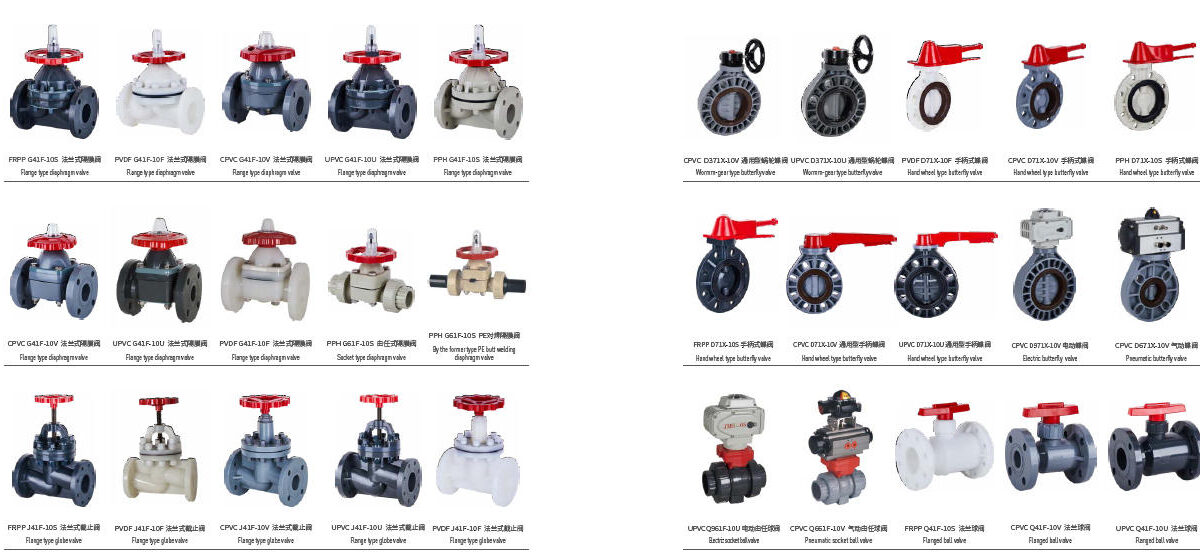
Plastic Valve Material Selection: PVC-U vs PP-H vs ABS for Industrial & Chemical Processes
Selecting between unplasticised polyvinyl chloride, polypropylene homopolymer, and acrylonitrile butadiene styrene depends on media composition, thermal variations, and structural demands. Chemical process duties require resilient fluorinated or polyolefin polymers, whereas utility and chilling lines function effectively with shock-resistant mechanical thermoplastics.

Thermoplastic Valve Materials: PVC-U, PP-H, and ABS Compared
Thermoplastics used in valve manufacturing fall into distinct functional categories based on polymer formulation and resistance profiles. Industrial fluid systems broadly separate these materials into specialised chemical-process plastics and general-purpose utility plastics.
PVC-U and PP-H serve primarily as chemical-process plastics capable of handling aggressive chemicals, acids, and inorganic salts. In contrast, ABS operates as a water-focused and utility plastic, prized for physical resilience rather than extreme chemical inertness.

Evaluating these polymer groups side by side clarifies their operational strengths across primary industrial sectors.
| Industry Sector | PVC-U Suitability | PP-H Suitability | ABS Suitability | Primary Operational Focus |
| Prelucrare chimică | Suitable | Strongly preferred | Not recommended | Demands high resistance to aggressive media and acids. |
| Tratarea apei | Suitable | Suitable | Suitable | Standard filtration, dosing, and distribution networks. |
| Effluent treatment | Suitable | Strongly preferred | Limitat | Mixed chemical wastes and neutralisation streams. |
| Pharmaceutical | Suitable | Strongly preferred | Not recommended | Requires clean internal bores and process purity. |
| Cooling and chilled water | Suitable | Suitable | Strongly preferred | Demands sub-ambient toughness and impact strength. |
| Marine and aquaculture | Limitat | Limitat | Strongly preferred | Saltwater exposure and fluctuating thermal conditions. |
PVC-U Valves in Industrial Chemical and Water Treatment Lines
Unplasticised polyvinyl chloride is one of the most widely specified thermoplastics for industrial valves. The rigid compound contains no plasticisers, maintaining rigidity, dimensional stability, and dependable chemical inertness across standard ambient applications.
Engineers deploy PVC-U ball and butterfly valves extensively across water purification, pH correction, and chemical transfer installations. The material provides robust resistance against inorganic salts, alkalis, mineral acids, and chlorine-based media.

Weighing the performance characteristics of PVC-U assists engineers in identifying suitable installation parameters.
Avantaje
- Exceptional resistance to mineral acids, alkalis, salts, and chlorine solutions.
- Completely corrosion-free operation compared to conventional metal alternatives.
- Lightweight structure that simplifies mechanical support and manual installation.
Limitări
- Continuous working temperatures are typically limited to around 60 °C.
- Vulnerable to degradation when exposed to aggressive aromatic or chlorinated solvents.
- Reduced mechanical resistance when handling abrasive slurries or particulate streams.
PP-H Valves for Demanding Chemical Environments
Polypropylene homopolymer represents a high-performance thermoplastic engineered for aggressive chemical handling and elevated thermal demands. Its crystalline structure delivers rigid mechanical stability and resistance against harsh process conditions.
PP-H performs reliably in chemical processing facilities, industrial effluent neutralisation lines, and chlorine dosing skids. The smooth internal bore of the material also prevents scaling, supporting high-purity fluid handling in life-science and pharmaceutical facilities.

The comparative balance between chemical-process plastics highlights why PP-H is selected when processing criteria exceed standard parameters.
Standard Duty: PVC-U
- Operates effectively within moderate operating temperatures up to 60 °C.
- Maintains stability in standard chemical dosing, water treatment, and effluent handling.
- Offers high economic value for routine industrial pipework configurations.
Demanding Duty: PP-H
- Withstands elevated operating temperatures beyond standard PVC-U limitations.
- Resists concentrated acids, aggressive caustics, and harsh industrial cleaning agents.
- Features low-roughness inner surfaces suited to high-purity fluid transportation.
ABS Valves for Water Distribution and Utility Systems
Acrylonitrile butadiene styrene combines thermoplastic rigidity with synthetic rubber elastomeric resilience. This copolymer provides high impact strength, ductile toughness, and dependable integrity in cold operating environments.
Common uses include chilled water distribution, building services, compressed air systems, and aquaculture operations. ABS handles fluctuating thermal cycles and physical knocks effectively, making it suitable for unconditioned utility spaces.

While ABS provides mechanical benefits in water applications, chemical restrictions require strict adherence during system layout.
ABS valves are not suitable for concentrated mineral acids, strong caustics, solvent-based media, or oxidising agents such as concentrated sodium hypochlorite. Misapplying ABS in severe chemical dosing environments risks rapid polymer embrittlement and catastrophic line failure.
A Structured Decision Process for Plastic Valve Material Selection
Systematic plastic valve material selection requires evaluating chemical, physical, and environmental parameters rather than prioritising initial valve purchase costs alone. Applying a structured engineering review prevents premature failures and extends system lifespan.
Evaluating chemical compatibility serves as the mandatory first step in any specification routine. If the medium contains concentrated acids, caustic alkalis, or aggressive reagents, the choice narrows immediately to PP-H or PVC-U.

Engineers follow a standard sequence of operational assessments to finalise valve polymer choices.
- Identify the full chemical profile, including trace additives, cleaning solutions, and peak concentration levels.
- Verify continuous operating temperatures, noting that PVC-U remains limited to around 60 °C while PP-H supports higher thermal conditions.
- Assess system pressure ratings, thermal expansion margins, and physical impact risks within the physical plant area.
- Review industry expectations, directing chemical plants toward PP-H, water works toward PVC-U, and cooling networks toward ABS.
Common Pitfalls in Plastic Valve Specification
Specifying thermoplastic valves without accounting for cross-variable interactions causes avoidable maintenance emergencies. Elevated temperatures accelerate chemical attack, reducing polymer stress thresholds faster than static reference charts suggest.
Another frequent oversight involves treating secondary fluid lines as non-critical. Using general utility plastics like ABS for chemical clean-in-place routines or intermittent dosing lines leads to rapid degradation.
Always evaluate concurrent thermal and chemical peaks rather than checking parameters in isolation. A valve material that resists a diluted acid at ambient room temperature may degrade rapidly when the line runs near its continuous thermal threshold.
Frequently Asked Questions
What is the main operating temperature difference between PVC-U and PP-H valves?
PVC-U valves are typically limited to continuous operating temperatures of around 60 °C. PP-H valves tolerate higher operational temperatures, providing structural stability in hot chemical processes.
Can ABS valves handle chemical dosing duties?
ABS valves are suitable for dilute acids, bases, and salts, but they are not recommended for aggressive chemical dosing lines. Concentrated acids, strong caustics, and solvent media cause degradation in ABS polymers.
Are PVC-U valves resistant to chlorine and oxidising media?
PVC-U provides dependable resistance to chlorine solutions, oxidising salts, and inorganic chemicals. This profile makes it a widely specified material for water chlorination and disinfection skids.
Why is PP-H chosen for pharmaceutical and high-purity processes?
PP-H features smooth internal bore surfaces that reduce deposit accumulation and media entrapment. Its chemical stability supports demanding sanitation and aggressive clean-in-place routines.
System Design Considerations
Thorough plastic valve material selection aligns chemical compatibility, continuous temperature thresholds, and mechanical resilience with project objectives. Engaging a qualified fluid control specialist helps verify component compatibility when operating environments involve aggressive chemical media or combined thermal and pressure extremes.



