


Filtro en Y de acero forjado frente a filtro en Y de hierro fundido: ¿Cuál es mejor?
Y strainers are the unsung heroes of fluid systems—catching debris to protect pumps, valves, and meters from costly damage. But when choosing between forged steel y cast iron models, the decision hinges on more than just price. These two materials deliver vastly different performance, durability, and application fit. Below is a head-to-head comparison to help you pick the right one for your system.
First: What’s a Y Strainer, and Why Material Matters
A Y strainer gets its name from its Y-shaped body, which directs fluid through a mesh screen that traps particles (sand, rust, scale) while allowing clean fluid to pass. The body material is make-or-break: it dictates how the strainer handles pressure, corrosion, temperature, and physical stress. Forged steel and cast iron represent two ends of the “strength vs. cost” spectrum—let’s break down their core traits first.
Material Trait | Forged Steel Y Strainer | Colador en Y de hierro fundido |
Manufacturing Process | Heated steel is hammered/pressed into shape (aligns metal grains for strength). | Molten iron is poured into molds (random grain structure). |
Tensile Strength | 60,000–100,000 psi (resists stretching/fracture). | 20,000–40,000 psi (brittle; prone to cracking under impact). |
Resistencia a la corrosión | Moderate (carbon steel) to excellent (stainless steel forgings). | Poor (rusts easily; requires coatings like paint or epoxy). |
Peso | Denser but more compact (thinner walls for same strength). | Bulkier (thicker walls needed for structural integrity). |
1. Performance: Pressure & Temperature Limits
For industrial systems, performance starts with handling operating conditions without failure. Here’s how the two stack up:
Clasificación de presión
- Forged Steel: Thrives in high-pressure environments. Standard ratings range from ANSI Class 150 to 2500, with some models handling up to 10,000 psi (critical for oil/gas pipelines or hydraulic systems). The forged process eliminates internal voids, so it won’t burst under extreme pressure.
- Hierro fundido: Limited to low-to-moderate pressure. Max rating is typically ANSI Class 125–150 (up to ~285 psi). Casting often leaves tiny pores, which expand and leak at higher pressures.
Winner: Forged steel—non-negotiable for high-pressure systems.
Temperature Tolerance
- Forged Steel: Handles extreme heat and cold. Carbon steel forgings work from -20°F to 1,000°F (-29°C to 538°C); stainless steel forgings extend that to -320°F to 1,500°F (-196°C to 816°C) (ideal for steam or cryogenic applications).
- Hierro fundido: Fragile at temperature extremes. Safe range is ~32°F to 400°F (0°C to 204°C). Below freezing, it becomes brittle and cracks; above 400°F, it loses structural strength.
Winner: Forged steel—far more versatile for harsh temperature conditions.
2. Durability: Longevity & Maintenance Needs
A strainer’s job is to catch debris, so it needs to withstand constant fluid flow and occasional cleaning. Durability directly impacts total cost of ownership (TCO).
Resistance to Wear & Damage
- Forged Steel: Resilient against impact and erosion. The dense, grain-aligned structure stands up to abrasive fluids (e.g., slurries with sand) and physical bumps during maintenance. Stainless steel forgings resist corrosion from chemicals or saltwater, eliminating rust-related failures.
- Hierro fundido: Prone to cracking and rust. Its brittle nature means a accidental bump with a wrench can cause a fracture. Without coatings, it rusts rapidly in water or humid environments—rust flakes can even clog the screen, defeating the strainer’s purpose.
Maintenance Requirements
- Forged Steel: Low maintenance. Stainless steel models need only occasional screen cleaning; carbon steel versions may require a yearly coat of anti-rust paint. The robust body rarely needs replacement (service life: 10–20+ years).
- Hierro fundido: High maintenance. Coatings chip off over time, requiring frequent repainting. Rust buildup inside the body may force early replacement (service life: 3–8 years, depending on environment).
Winner: Forged steel—lower long-term maintenance costs and longer lifespan.
3. Application Fit: Which Works Where?
Neither material is “better” universally—they’re designed for different use cases. Here’s how to match them to your system:
Forged Steel Y Strainers Shine In:
- Petróleo y gas: High-pressure wellheads, pipeline transmission, and refinery processing (handles crude oil, natural gas, and corrosive chemicals).
- Generación de energía: Steam systems (high temperature) and turbine cooling loops (high pressure).
- Procesamiento químico: Corrosive fluid lines (stainless steel forgings resist acids/bases).
- Marine/Offshore: Saltwater systems (stainless steel avoids rust from seawater).
Cast Iron Y Strainers Are Suitable For:
- Municipal Water: Low-pressure distribution lines (non-corrosive, ambient temperature).
- HVAC: Chilled water or hot water loops (temperatures below 400°F).
- Light Industrial: Low-pressure, non-abrasive fluids (e.g., detergent manufacturing, where corrosion risk is low).
- Residential/Commercial: Building plumbing (simple, low-cost protection for pumps).
4. Cost: Upfront vs. Lifecycle Value
Cost is often the first consideration—but don’t let upfront price fool you. Let’s compare TCO for a 2-inch ANSI Class 150 strainer:
Cost Factor | Forged Steel (Carbon Steel) | Hierro fundido |
Upfront Price | 600 | 250 (50–60% cheaper initially) |
Service Life | 15 years | 5 years |
Annual Maintenance Cost | $20 (screen cleaning) | $50 (screen cleaning + repainting) |
15-Year TCO | ~ 20×15) = $600 | ( 50×15) = $750 |
Key Insight: Cast iron is cheaper upfront, but forged steel saves money long-term. For high-stakes systems, the cost of downtime from a cast iron failure (e.g., a cracked body leaking fluid) can be $10,000+—making forged steel the more cost-effective choice.
The Final Verdict: Which Should You Choose?
Choose Forged Steel If: | Choose Cast Iron If: |
Your system operates at >150 psi or extreme temps. | Your system is low-pressure (≤150 psi) and ambient temp. |
You’re handling corrosive/abrasive fluids. | You’re using clean, non-corrosive fluids (e.g., water). |
You want long-term durability (10+ years). | You need a budget-friendly, temporary solution. |
Downtime or failure would be costly. | Maintenance and replacement are easy/cheap. |
Closing Thought
Cast iron Y strainers have their place in simple, low-stakes systems—but they’re a risky choice for industrial applications. Forged steel delivers the strength, versatility, and longevity that keep critical systems running. If you’re tempted by cast iron’s low upfront cost, ask yourself: Can I afford the downtime if it cracks or rusts? For most industrial buyers, the answer is no—making forged steel the clear winner
Publicaciones relacionadas
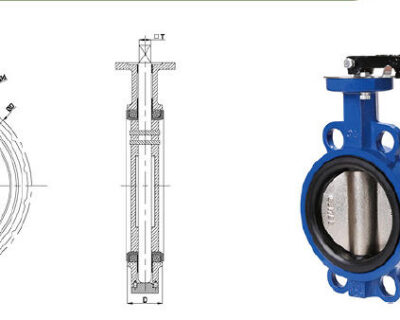
¿Válvula de mariposa tipo wafer, con orejetas o con brida? Guía de selección completa
Válvula de mariposa tipo wafer vs. tipo lug vs. con brida En los sistemas de tuberías industriales, las válvulas de mariposa se utilizan comúnmente [...]
Leer más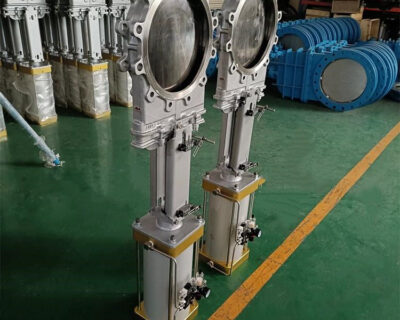
Tipos de válvulas de compuerta
Tipos de válvulas de compuerta explicados: válvulas de compuerta de cuña, de corredera paralela, de placa, de cuchilla y diseños especiales. Las válvulas de compuerta [...]
Leer másCómo elegir el material para la válvula de compuerta
Cómo elegir el material de la válvula de compuerta Introducción Seleccionar el material correcto para la válvula de compuerta es uno de los [...]
Leer más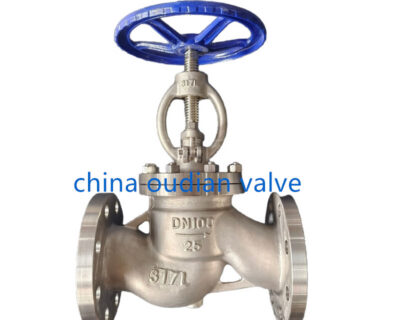
¿Cómo funciona una válvula de globo? Trayectoria del flujo y cierre.
Introducción Las válvulas de globo son una de las válvulas más utilizadas en los sistemas de tuberías industriales, [...]
Leer más