


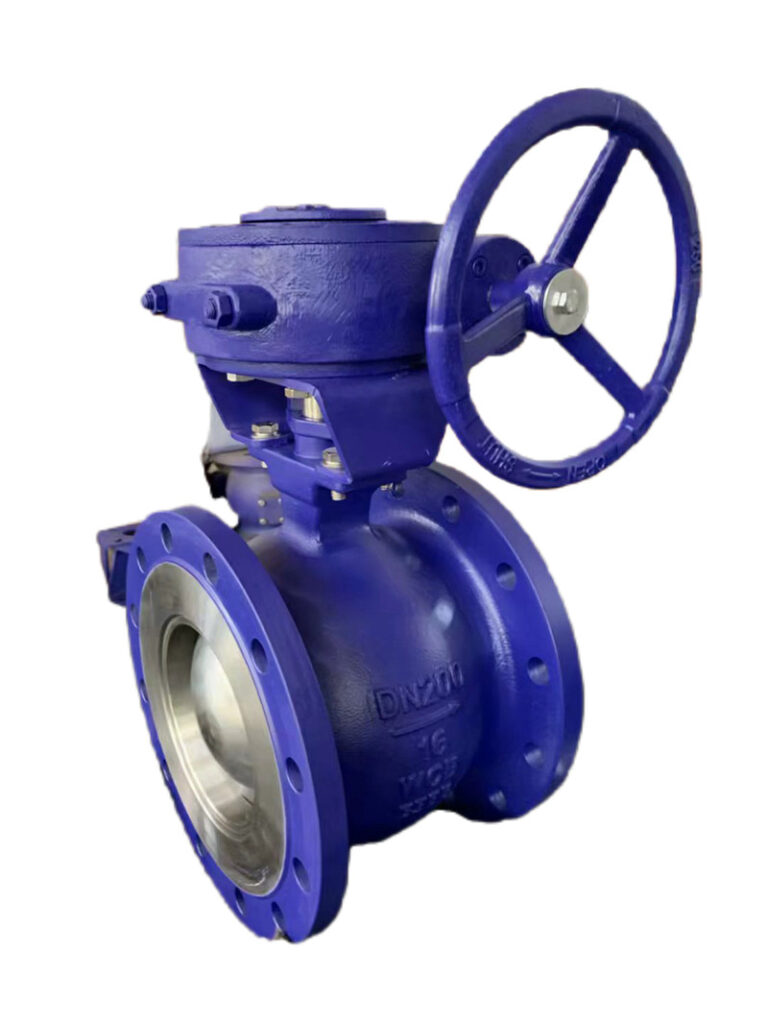
What Is a Segmented Ball Valve?
Process demands dictate whether this valve type is appropriate for a specific piping line. Fluid viscosity, the presence of entrained particles, differential pressure levels, and required flow characteristics decide whether a segmented trim or an alternative valve body provides the necessary service performance.
Mechanical Design and Rotary Operation
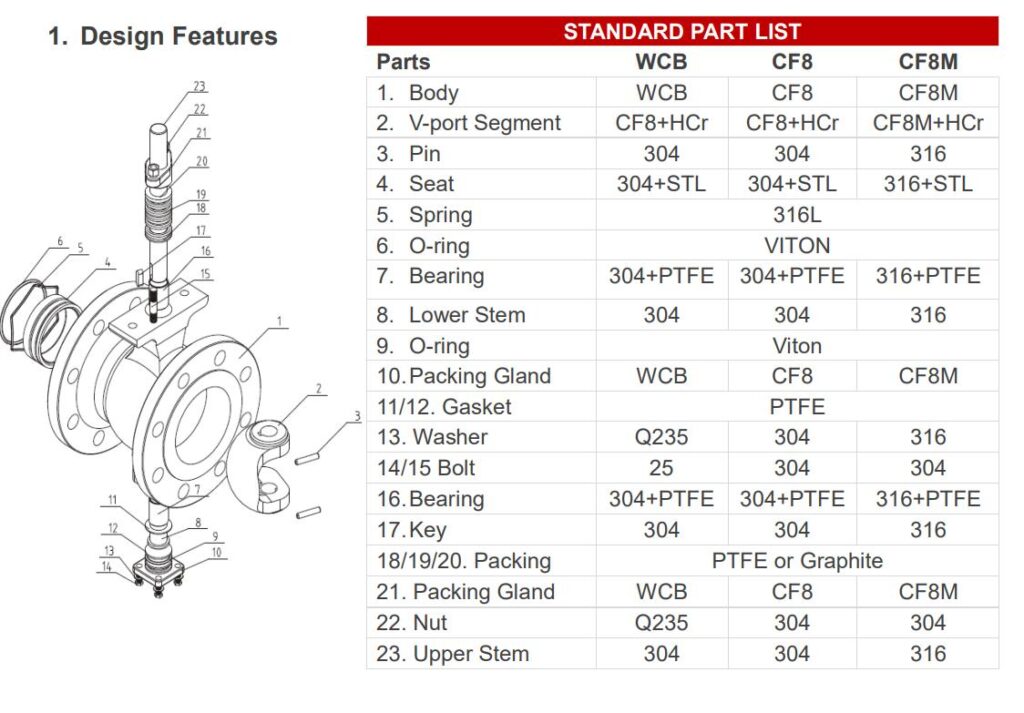
A segmented ball valve relies on a rigid rotary stem coupled directly to an offset, partially spherical segment to regulate fluid velocity and volume. As the actuator rotates the shaft through a quarter-turn stroke, the contoured edge moves across a stationary seat ring to adjust the opening aperture smoothly.
V-Shaped Segment
The partially spherical closure component features an engineered V-notch geometry. This contour maintains an equal-percentage or linear flow profile throughout the rotary stroke while presenting an open flow passage.
Rotary Stem
A heavy-duty drive stem transmits torque from an actuator directly to the segment ball. Rigid splined or keyed connections minimize mechanical lost motion during throttling cycles.
Sealing Seat Ring
The seat provides a rigid sealing surface against which the ball segment presses during closure. Self-centering designs allow continuous contact to clear deposits from the metal surface.
When the valve rotates closed, the sharpened profile of the segment ball produces a mechanical shearing action against the seal face. This cutting motion slices through pulp fibers, scale, and slurry particles that would otherwise lodge between the sealing elements. The rotary control design prevents solids accumulation inside the valve cavity, yielding dependable shutoff even under harsh conditions.

Performance Strengths and Operating Limitations
Understanding the balance between operational capabilities and mechanical boundaries helps engineers place segmented ball valves into appropriate process loops. The design provides high flow capacity and resilient handling of difficult media, balanced against specific pressure differential parameters.
Ventajas
- Non-clogging flow geometry prevents solid particle buildup in the valve body.
- The shearing action cleanly slices through suspended debris and pulp fibers.
- High rangeability delivers precise control across wide flow ranges.
- The rotary stem design reduces emissions through the packing box.
Limitaciones
- Standard designs primarily operate in a single preferred flow direction.
- High-pressure drop extremes can induce cavitation without specialized trim attenuation.
- Severe abrasive slurries may require frequent replacement of specialized metal seat inserts.
The straight-through flow path generates higher flow capacity than globe valves of comparable nominal size. This elevated capacity allows facilities to downsize piping components and actuators, lowering installation footprint and overall system weight. Operating within established fluid velocity limits preserves the mechanical integrity of internal surfaces over extended operating intervals.
Industrial Applications and Media Handling
Segmented ball valves excel across process environments containing thick stocks, particulate suspensions, and abrasive slurries. Their self-cleaning geometry makes them widely used in sectors where standard ball control valves or globe valves experience clogging.
The cutting action of the contoured ball segment against a metal seat prevents media buildup when handling slurries, keeping fluid passages unobstructed through repetitive cycles.
The pulp and paper industry employs these devices extensively to control cellulose stock lines, black liquor, and bleaching chemicals. Chemical processing plants select them for viscous chemical slurries, polymers, and crystallization processes where entrained crystals cause binding. Wastewater treatment facilities, mining wash plants, and power generation flue gas desulfurization systems also rely on this trim style for slurry modulation.

Corrosive chemical media necessitate robust construction materials such as 316 stainless steel, duplex alloys, or exotic nickel-based metals. When managing dry powders, abrasive tailing lines, or high-temperature media, hardened metal seat options provide structural resilience against mechanical wear and erosion.
Comparing Segmented Ball Valves to Alternative Valve Designs
Choosing between competing valve styles requires comparing control precision, particle passage capability, and overall installation dimensions. Each valve style serves specific duties across fluid distribution networks.
| Valve Type | Throttling | Slurry Handling | Flow Path | Optimal Use Case |
| Segmented Ball | High Precision | Excelente | Straight-Through | Fibrous media, slurries, and wide-range modulation |
| Full-Port Ball | Poor Control | Moderado | Full Bore | Isolation and on-off service requiring low flow resistance |
| Válvula de globo | High Precision | Pobre | Tortuous | Clean liquids, high pressure drops, and steam throttling |
| Válvula de mariposa | Moderado | Moderado | Symmetrical | Large diameter piping requiring compact, low-weight control |
Full-port ball valves deliver minimal pressure loss when wide open, yet their round bore exhibits non-linear flow gains when throttled near the seat. Globe valves offer refined throttling precision for clean steam or gas, but their tortuous flow path traps solids and causes cavitation in slurry service. Butterfly valves offer compact weight for large lines, yet the central disk remains exposed in the stream, creating potential hang-up points for stringy fibers.
Selection Criteria and Field Maintenance
Proper selection involves matching valve body materials, trim hardness, and actuator torque output to specific line conditions. Evaluating media abrasiveness and line pressure prevents premature failure of internal sealing components.
Exceeding recommended velocity thresholds in abrasive applications accelerates seat degradation and leads to bypass leakage along the internal shutoff edge.
Routine maintenance schedules preserve sealing efficiency and extend the working service life of installed components. Maintenance teams should incorporate key checks into turnaround intervals:
- Inspect stem packing sets for signs of extrusion or fugitive emissions.
- Check actuator alignment to verify full quarter-turn closure contact.
- Clean external linkages and lubricate mechanical bearings per manufacturer guidelines.
- Examine the segment edge and seat ring for abrasive scoring or particle erosion.
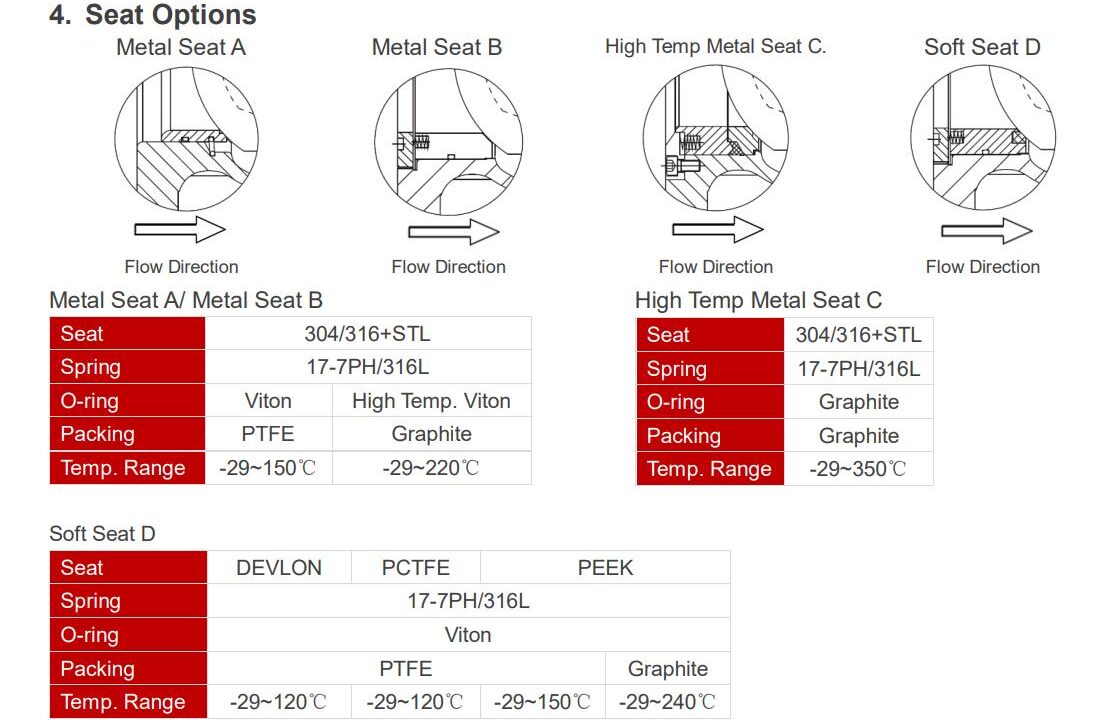
Selecting durable stainless steel or hardened trim alloys safeguards internal components against rapid erosion in high-velocity processes. Soft seat rings constructed from fluoropolymers deliver bubble-tight isolation in moderate services, whereas satellite-faced metal seats endure elevated operating temperatures and aggressive particulate slurries.
Preguntas frecuentes
Can a segmented ball valve provide bidirectional sealing?
Most segmented designs are engineered for preferred unidirectional sealing to assist the mechanical shearing action. Certain custom configurations accommodate reverse flow, though shutoff performance often drops when operated counter to the recommended flow arrow.
What causes the non-clogging capability of this valve?
The unobstructed flow path lacks the body cavities found in standard floating ball designs. The sharp edge of the V-notch segment continuously shears away deposits against the seat during rotation.
How does a segmented ball valve compare to a V-notch globe valve?
A segmented ball valve provides higher flow capacity and resists solid entrapment far better than a globe body. Globe valves generate higher pressure recovery losses due to their multi-turn, internal fluid turning passages.
Which actuators operate segmented ball valves?
Pneumatic rotary actuators, electric quarter-turn motors, and manual gear operators commonly actuate these assemblies. Actuator sizing must account for dynamic fluid breakout torque and mechanical seat friction.
Choosing the Right Control Valve Solution
A segmented ball valve balances high flow capacity, continuous throttling control, and mechanical cutting ability within a compact rotary envelope. Evaluating fluid particulate content, operating pressures, and required rangeability allows engineering teams to implement this valve design for dependable process automation.