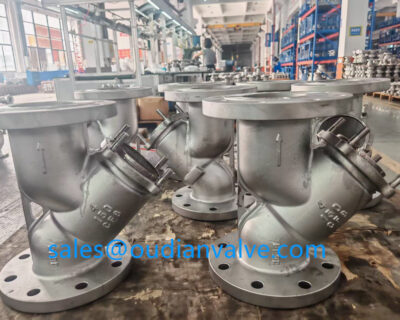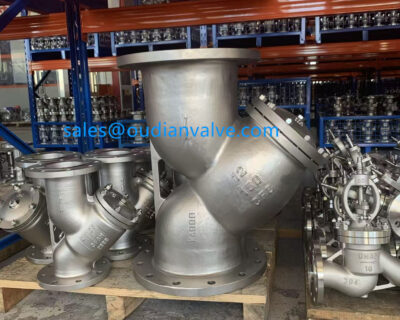


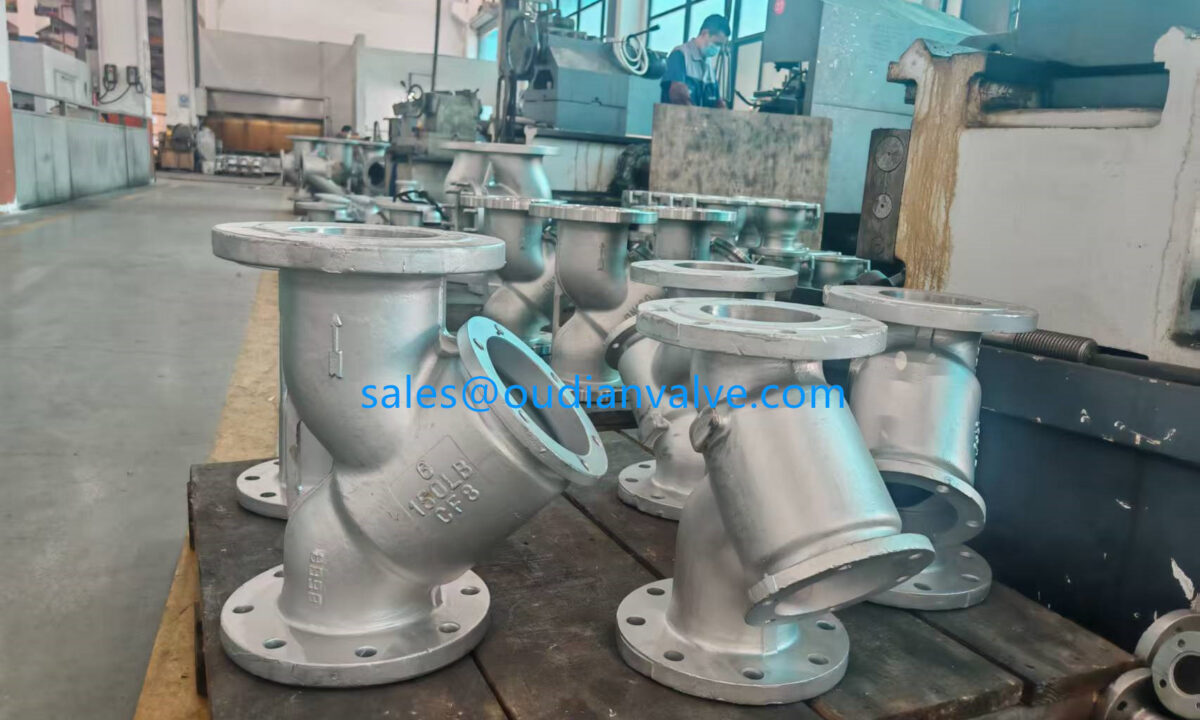
How Y Strainers Work
Selecting and operating the correct unit depends on fluid compatibility, operating temperature, pipeline pressure, and the particulate volume present in the process stream. Proper alignment and mesh sizing maintain continuous flow while preventing unwanted pressure drops across the piping system.
Why Use a Y Strainer in Piping Systems
Unfiltered particulates traveling through a pipeline can severely damage precision fluid control devices. Components like solenoid valves require clean process media to operate reliably, as small foreign particles can lodge in valve seats or block pilot orifices. A compact Y strainer acts as an indispensable line of defense directly upstream of these vulnerable devices.
In addition to protecting control valves, strainers shield expensive equipment across industrial, commercial, and residential networks. Common pipeline components protected by Y strainers include:
- Centrifugal and positive displacement pumps
- Steam traps and condensate recovery loops
- Flow meters and monitoring sensors
- Plate and shell-and-tube heat exchangers
- Spray nozzles and atomizing heads
- Process condensers and chillers
- Turbines and mechanical drive units
Placing mechanical strainers upstream of capital-intensive equipment helps reduce repair downtime and lowers ongoing maintenance expenses throughout the piping network.
Mechanical Operating Principle and Flow Path
Fluid enters the inlet port of the strainer body and is directed through the internal chamber toward the angled filtering leg. The fluid stream passes through the perforated metal or woven wire screen, which blocks solids larger than the screen openings while allowing clean media to proceed through the outlet.
The internal screen separates suspended solids from process streams without halting pipeline throughput.
Captured debris settles against the interior wall of the screen or drops into the low-point pocket of the angled leg. This geometric arrangement prevents trapped solids from re-entering the primary fluid path, keeping flow clear until maintenance personnel clean or flush the basket.
- Inlet velocity guides fluid directly across the filtration barrier.
- Separation occurs purely through mechanical retention without chemical intervention.
- Clean process media continues downstream with minimal turbulence.
Main Components of a Y Strainer
Every Y strainer relies on a robust mechanical assembly designed to withstand fluid pressure and mechanical line stress. The design comprises four primary elements working together to seal the piping and capture particulate matter.
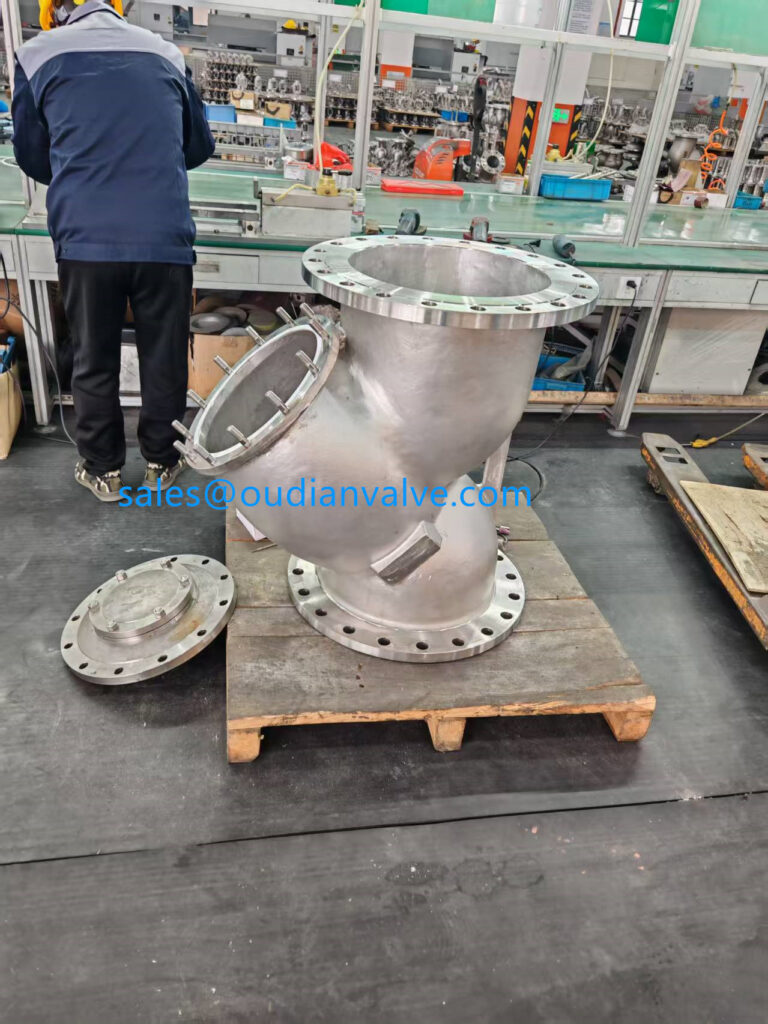
Strainer Body and Cap
The main housing forms the primary pressure boundary and flow channel, while the removable cap provides access to the screen chamber for inspection and servicing.

Filter Element Screen
Constructed from woven wire mesh, perforated sheet, or wedge wire, the internal cylinder mechanically traps debris while maintaining structural strength against fluid velocity.

Seals and Blow-Off Port
Resilient gaskets prevent external leakage around the cap, while an optional threaded drain connection allows installation of a blow-off flush valve.
Sizing the Mesh Filter Screen
Selecting the correct screen opening size requires balancing particulate retention against hydraulic flow restriction. A screen with openings that are too small captures extra debris but clogs rapidly, resulting in an undesirable pressure drop. Conversely, a screen with openings that are too large allows abrasive grit to travel downstream and compromise equipment.
| Rating Term | Measurement Basis | Operating Characteristics |
| Mesh Size | Wires Per Inch | Higher numbers indicate denser wire grids and finer retention capability. |
| Micron Rating | Linear Dimension | Measures the absolute physical diameter of particles permitted through openings. |
| Perforation | Hole Diameter | Suited for coarse debris separation in heavy industrial fluid streams. |
Understanding the difference between mesh count and micron rating helps operators match filter elements to the specific contamination hazards present in the media stream.
Housing and Seal Material Options
Operating temperatures, fluid chemistry, and external environmental exposures dictate the appropriate construction materials for bodies, internal screens, and gaskets. Selecting compatible alloys avoids premature corrosion and mechanical failure.
Acero inoxidable
Alloys like grade 304 and grade 316 resist corrosion, tolerate elevated temperatures, and meet strict sanitation criteria in chemical processing, pharmaceutical, and food facilities.
Brass Housings
Brass provides exceptional durability and corrosion resistance for residential plumbing, potable water systems, and light commercial heating loops handling moderate pressures.
PTFE and Teflon Seals
Fluoropolymer seals withstand aggressive chemical media, resist thermal degradation, and provide dependable leak prevention between the strainer body and access cap.
Matching the alloy grade and elastomer material to the specific fluid chemistry helps maintain integrity throughout extended operational cycles.
Common Industrial and Commercial Applications
Y strainers serve across diverse utility and process sectors because their compact, pressure-resilient profile fits easily into both existing piping and new construction projects.
Compact Y-pattern strainers fit neatly into congested mechanical rooms and process piping skids.
Different fluid states present unique challenges that the Y-shaped configuration addresses effectively:
- Steam Networks: The streamlined shape withstands the high pressures and thermal cycling typical in steam distribution and condensate return lines.
- Liquid Handling: Water systems rely on screens to capture sand, gravel, and pipe rust, protecting pumps and sensitive chillers from abrasive scoring.
- Air and Natural Gas: Low-pressure gas systems utilize fine mesh to stop pipe particulate while minimizing resistance to gas movement.
- Tratamiento del agua: Municipal and industrial filtration plants use durable metallic strainers as pre-filters ahead of fine membrane filters.
Technical Selection Criteria
Specifying the right strainer requires an evaluation of hydraulic parameters, physical dimensions, and operational expectations. Considering all system parameters in advance prevents sizing errors and line starvation.
Piping and Hydraulic Criteria
- Match port dimensions to pipeline diameter to preserve uniform flow velocity.
- Check continuous working pressure and thermal limits against system design ratings.
- Evaluate acceptable pressure drop tolerances across clean and partially loaded screens.
Process and Service Criteria
- Confirm chemical compatibility between process fluids, metal housings, and seal polymers.
- Identify expected particulate type and sizing to determine mesh or perforation ratings.
- Verify physical clearance around the filter cap to allow routine maintenance access.
Pipeline connection styles must also match surrounding hardware. Common options include threaded ends for compact lines, flanged ends for heavy industrial installations, and welded connections for high-integrity services.
Proper Installation Orientation and Alignment
Correct mechanical placement ensures the strainer effectively traps particulate without letting settling debris fall back into the active stream.
- Inspect the casting for the directional flow arrow and verify that it aligns with process flow.
- Confirm that the angled screen leg points downward below the pipeline centerline in horizontal runs.
- Install in vertical lines only when fluid flows downward, ensuring debris collects inside the screen pocket.
- Ensure adequate piping support on both sides of the unit to avoid applying structural strain to the body.
- Clean and deburr pipe ends thoroughly before assembly to eliminate installation burrs and cutting oil.
- Fasten flanged joints evenly in a crisscross sequence or apply compatible thread sealant to threaded joints.
Placing the strainer directly upstream of the critical equipment provides immediate mechanical protection against stray particulates generated during pipeline construction or maintenance.
Manual Cleaning and Screen Replacement
Periodic maintenance restores baseline flow rates and prevents excessive pressure loss caused by accumulated particulate matter.
Routine screen inspection reveals particulate volume and helps avoid unplanned process shutdowns.
To clean a standard strainer manually, technicians isolate the unit, depressurize the pipe section, and safely drain any residual fluid. Unscrewing the cap exposes the filter basket, allowing the screen to be removed for washing with a non-metallic brush or compressed air. Damaged, torn, or corroded screens require immediate replacement to prevent debris bypass.
Always depressurize the piping and verify that operating temperatures are safe before loosening the strainer cap or servicing internal screens.
Automated versus Manual Blow-Off Maintenance
Facilities handling higher debris volumes often replace the solid cap plug with a blow-off valve. Opening this valve allows line pressure to flush accumulated debris out through the drain connection without opening the main body.
Automated blow-off systems incorporate actuated ball valves controlled by timers or differential pressure sensors. When particulate accumulation causes the differential pressure across the screen to climb, the control system opens the valve for a brief flushing cycle.
Blow-off valves allow rapid purging of loose particulates, but periodic manual inspection remains necessary to remove wedged or adhesive deposits from the mesh.
Managing Pressure Drop and Clogging Risks
Every in-line filtration device introduces a baseline hydraulic resistance known as clean pressure drop. As solid contaminants accumulate across the screen surface, open flow area decreases and resistance rises.
Advantages of Y Strainers
- Compact footprint fits easily into tight physical spaces.
- Handles high working pressures and severe temperatures reliably.
- Flexible design installs in horizontal or vertical downward configurations.
- Cost-effective investment for routine equipment protection.
Operational Limitations
- Lower dirt holding capacity compared to large basket strainers.
- Requires frequent cleaning cycles in heavily contaminated lines.
- Significant pressure drops occur if cleaning is neglected.
Differential pressure gauges installed across the strainer inlet and outlet provide an immediate visual indication of filter loading, allowing operators to plan cleaning before flow rates drop noticeably.
Y Strainers Compared to Basket Strainers
Piping engineers frequently compare Y-pattern strainers to basket-style strainers when planning fluid handling systems. Each configuration offers distinct advantages depending on line size, orientation, and debris concentration.
| Característica | Y colador | Basket Strainer |
| Primary Orientation | Horizontal or Vertical | Horizontal Only |
| Clasificación de presión | High Pressure Capable | Moderate Pressures |
| Debris Capacity | Compact Volume | Large Volume |
| Physical Footprint | Streamlined Envelope | Requires More Space |
Basket strainers excel in large-diameter liquid lines with substantial sediment loads, whereas Y strainers provide a practical, space-saving solution for steam, gas, and moderate-debris liquid applications.
Preguntas frecuentes
How should I install my strainer?
Install the strainer with the directional flow arrow pointing in the direction of media flow and align the filter leg pointing downward. In vertical runs, verify that the media travels downward so captured particulates settle naturally inside the screen pocket.
What kind of end connections are available?
Standard connection styles include female threaded ports, flanged ends, and socket or butt-weld connections. Specialized flanges like ring joints are also available for high-pressure industrial lines.
What kind of housing material should I choose?
Select housing materials by evaluating the chemical makeup, temperature, and operating pressure of the process fluid. Stainless steel suits corrosive chemical or sanitary applications, while brass provides an economical solution for potable water and building heating systems.
Are Y strainers affordable?
A Y strainer is an economical filtration option compared to other inline filter styles, especially in small to medium pipe diameters. Its straightforward mechanical design keeps initial capital outlay and long-term operating costs low.
Summary of Y Strainer Implementation
Integrating a rugged Y strainer upstream of pumps, valves, and measuring instruments protects critical pipeline hardware from debris damage and reduces unplanned system downtime. Selecting compatible housing metals, choosing the right screen mesh size, and following proper orientation guidelines helps preserve steady flow rates across industrial and commercial fluid systems.
Select the Right Filtration for Your Piping
Review operating conditions, media compatibility, and pipeline dimensions to find the ideal strainer configuration for your facility.