


Wafer, Lug or Flanged Butterfly Valve? Complete Selection Guide
Wafer vs Lug vs Flanged Butterfly Valve
In industrial piping systems, butterfly valves are commonly divided into three major connection types:
- Wafer butterfly valve
- Lug butterfly valve
- Flanged butterfly valve
Although all three designs perform similar flow isolation functions, their installation methods, maintenance capabilities, pressure resistance, and mechanical stability are significantly different.
Understanding these differences helps engineers and buyers select the most suitable butterfly valve for specific pipeline conditions.
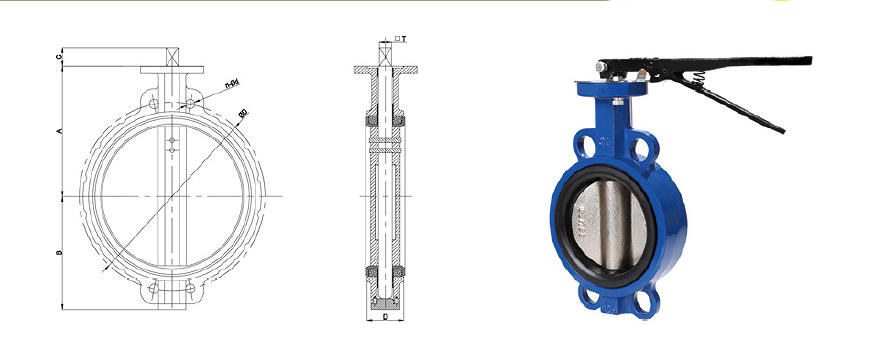
What Is a Wafer Butterfly Valve?
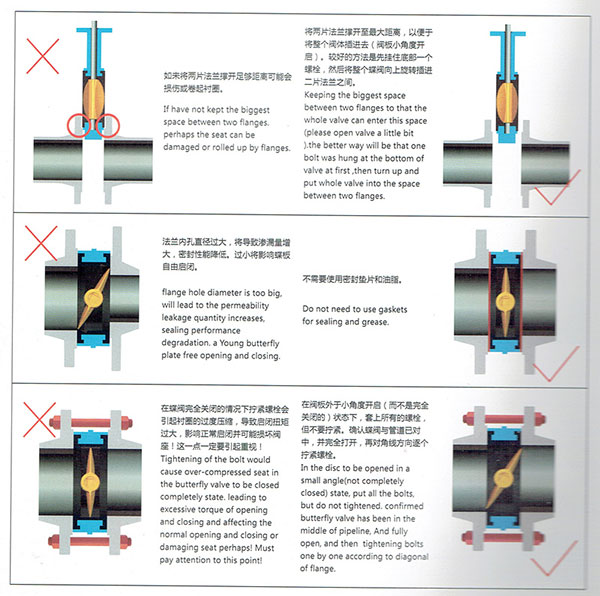
A wafer butterfly valve is designed to fit between two pipe flanges and is secured using long through-bolts.
The valve body itself does not contain full integral flanges. Instead, the pipe flanges provide the primary clamping support.
Main Advantages
- Lightweight structure
- Compact installation
- Lower manufacturing cost
- Easy installation
- Suitable for limited installation space
Häufige Anwendungen
- HVAC systems
- Water treatment
- Utility pipelines
- Marine applications
- General industrial service
Learn more about industrial valve engineering principles from
Engineering Toolbox Valve Guide
What Is a Lug Butterfly Valve?
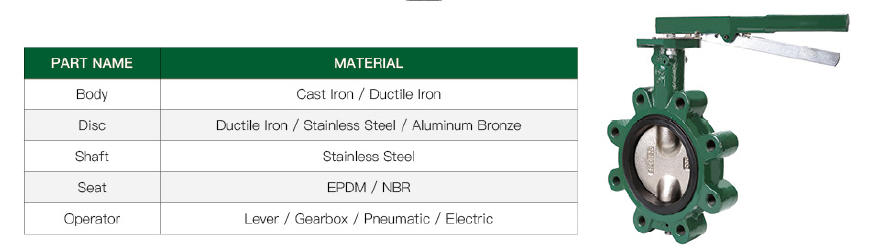
A lug butterfly valve contains threaded lugs around the valve body. Bolts connect independently from each flange side.
This design allows one side of the pipeline to be disconnected while the opposite side remains pressurized.
Compared with wafer valves, lug butterfly valves provide improved maintenance flexibility and better end-of-line service capability.
Main Advantages
- Better maintenance isolation
- Suitable for end-of-line service
- Improved mechanical support
- Easier downstream pipe removal
Häufige Anwendungen
- Chemical processing
- Industrial water systems
- Pump isolation
- Maintenance-intensive piping systems
According to real engineering discussions on Reddit, many maintenance engineers prefer lug butterfly valves for systems requiring frequent downstream maintenance access.
Reddit Butterfly Valve Discussion
What Is a Flanged Butterfly Valve?
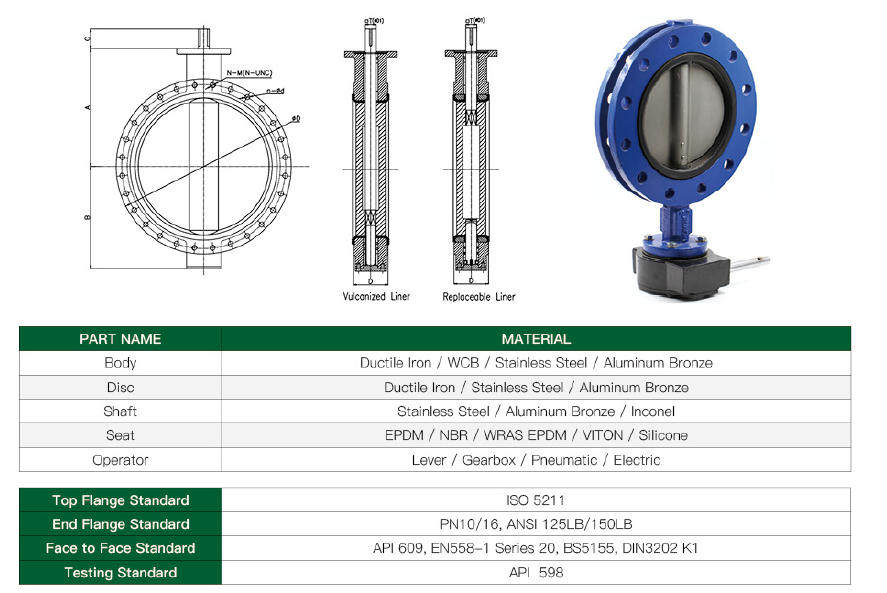
A flanged butterfly valve contains integral flanges on both ends of the valve body.
The valve bolts directly to matching pipeline flanges, creating a more rigid and mechanically stable connection.
Flanged butterfly valves are commonly selected for critical industrial systems involving:
- Hochdruck
- Large pipe diameters
- Pipeline vibration
- Water hammer conditions
- Severe operating environments
Main Advantages
- Superior connection strength
- Better vibration resistance
- Improved sealing stability
- Safer maintenance conditions
- Better performance under pressure cycling
Häufige Anwendungen
- Oil & gas pipelines
- Power plants
- Petrochemical systems
- Offshore platforms
- Mining operations
Butterfly valves are commonly manufactured according to API and ASME standards.
API Standards Organization
ASME Standards
Wafer vs Lug vs Flanged Butterfly Valve Comparison Table
| Besonderheit | Wafer Butterfly Valve | Lug Butterfly Valve | Flanged Butterfly Valve |
|---|---|---|---|
| Connection Method | Clamped between flanges | Threaded lug connection | Integral flanges |
| Gewicht | Lightest | Medium | Heaviest |
| Bauraum | Compact | Moderate | Larger |
| End-of-Line Service | Limited | Excellent | Excellent |
| Maintenance Flexibility | Moderate | Very good | Excellent |
| Pressure Capability | Low to medium | Medium | Medium to high |
| Vibration Resistance | Moderate | Good | Excellent |
| Kosten | Lowest | Medium | Highest |
| Beste Verwendung | Utility systems | Maintenance-heavy systems | Critical industrial systems |
Which Butterfly Valve Type Is Better?
There is no universal “best” butterfly valve type.
The ideal selection depends on:
- Operating pressure
- Pipeline size
- Maintenance frequency
- Bauraum
- Vibration conditions
- Budget
- End-of-line service requirements
Choose Wafer Butterfly Valve When:
- Space is limited
- Cost reduction is important
- Pressure is relatively low
- The system is non-critical
Choose Lug Butterfly Valve When:
- Frequent maintenance is expected
- One-side pipeline isolation is required
- Better service flexibility is needed
Choose Flanged Butterfly Valve When:
- The system operates under high pressure
- Pipeline vibration exists
- Large diameter pipelines are involved
- Long-term reliability is critical
Engineering Selection Considerations
Professional valve selection should never rely only on initial purchase cost.
Engineers should evaluate:
- Lifecycle cost
- Downtime risk
- Maintenance accessibility
- Seal reliability
- Installation conditions
- Future pipeline modifications
In many industrial applications, slightly higher initial valve cost can significantly reduce long-term maintenance expenses and operational risk.