

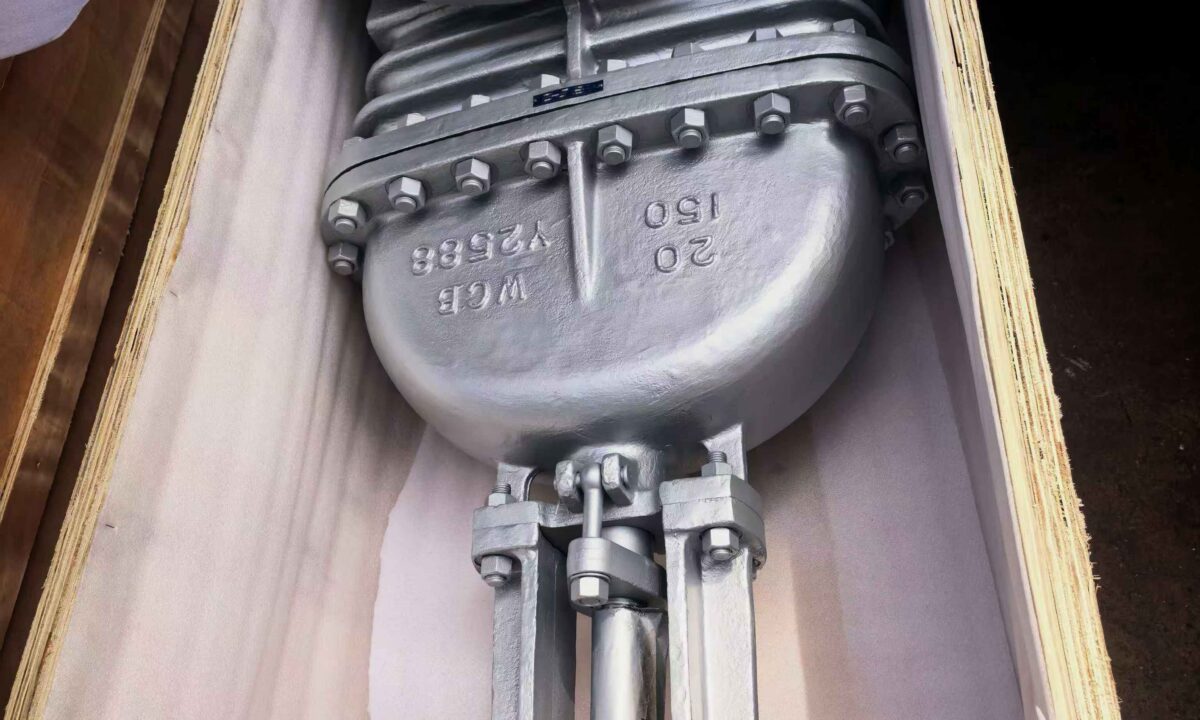
Gate Valve vs Ball Valve
System operational demands, envelope space, and fluid characteristics determine the right valve selection. Factors such as opening speed, susceptibility to water hammer, seat wear from particulate matter, and overhead clearance must guide piping layout decisions. Selecting the correct component prevents seat damage, reduces system downtime, and maintains mechanical reliability across plumbing, commercial distribution, and industrial process lines.
Mechanical Design and Operating Principles
Gate valves and ball valves employ contrasting mechanical approaches to control fluid flow inside a pipe. A gate valve relies on linear motion to lower a solid barrier across the fluid stream, while a ball valve uses rotary motion to pivot a hollow sphere.
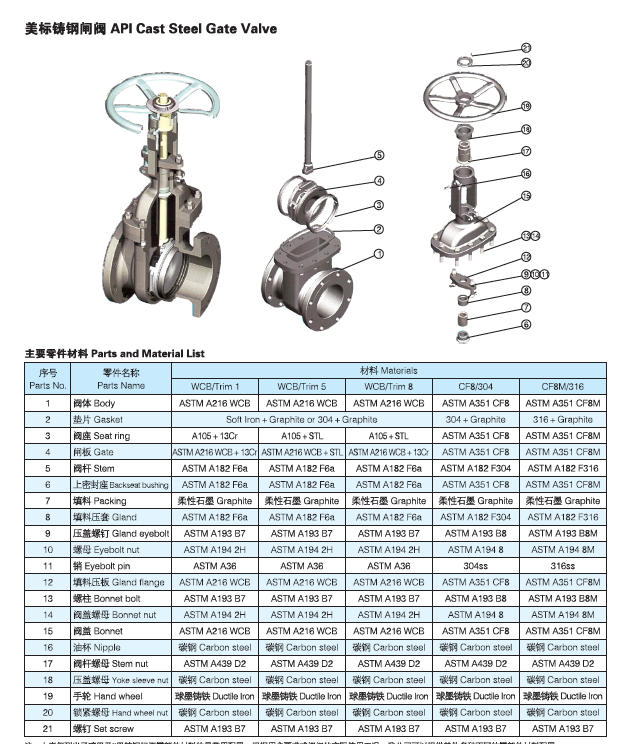
The internal assembly of a gate valve uses a threaded stem connected to a wedge-shaped or parallel flat gate. Turning the handwheel drives the stem, which translates rotational torque into linear travel, raising or lowering the disc perpendicularly across the line of flow. Depending on system space constraints, gate valves feature either a rising stem, where the shaft extends outward during opening, or a non-rising stem, where the disc moves along internal threading while the stem remains vertically stationary. Because complete travel requires several full rotations of the handwheel, opening or closing proceeds gradually.
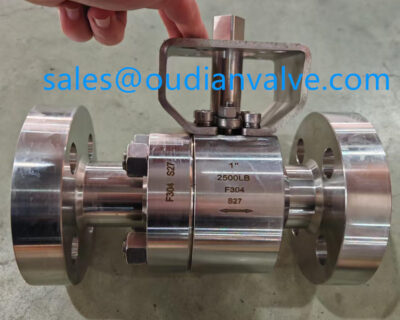
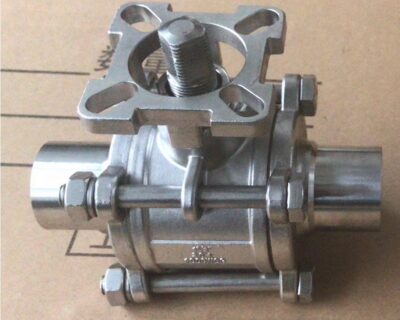
In contrast, a ball valve contains an internal sphere with a cylindrical bore drilled through the center. Aligning this bore with the pipe axis permits uninterrupted fluid flow, while turning the ball ninety degrees positions the solid sphere walls across the flow path to block movement. The stem connects perpendicularly to an external handle or automated actuator, enabling immediate isolation with a single quarter-turn movement. Sealing rings surround the sphere, holding constant contact to block bypass leakage even under changing upstream pressure conditions.
Gate Valve Mechanism
A threaded stem moves a flat gate or wedge perpendicularly into the fluid stream via multiple handwheel turns. The straight-through channel matches the pipe diameter, eliminating direction shifts when the barrier sits fully withdrawn into the valve bonnet.
Ball Valve Mechanism
A quarter-turn lever rotates a bored metal sphere ninety degrees between resilient or metal seats. The through-hole allows immediate flow alignment or complete isolation with minimal physical travel and immediate visual position feedback.
Internal mechanical configurations establish how each valve design handles media passage and mechanical stress.
Flow Control, Resistance, and Throttling Capabilities
Neither standard gate valves nor standard ball valves serve well as regular flow-regulating or throttling devices. Both valve types function best in binary positions: either fully open or fully closed.
A gate valve must never remain in a partially open position to control flow volume. When the gate partially obstructs the passage, high-velocity fluid strikes the unsupported lower edge of the wedge, creating severe fluid turbulence and mechanical vibration. This chatter causes rapid erosion along the seating faces, a destructive process known as wire drawing. Once seats suffer uneven wire drawing, the gate valve can no longer establish a bubble-tight seal when subsequently closed. Gate valves commonly serve exclusively as on-off isolation devices for this exact operational reason.
Standard floating ball valves also present significant operational risks when employed for routine throttling. When partially opened, the sharp perimeter of the internal sphere bore exposes localized segments of the resilient soft seats to the direct flow of fluid. High fluid velocities strip or deform soft elastomeric or fluoropolymer seats, leading to tear damage and subsequent seat bypass. Specialized V-port ball valves can regulate flow rates, but conventional two-way isolation ball valves should stay fully open or fully closed to protect internal seals.
Operating isolation valves in partially opened positions causes severe seat scouring and localized vibration. Keep standard models fully seated or completely retracted to avoid premature valve failure.
When fully open, gate valves create negligible pressure drop because the flow fluid passes through an unobstructed, straight conduit matching the pipe diameter. Full-port ball valves also offer near-zero flow resistance, matching pipe internal diameters completely. Standard-port ball valves incorporate a slightly reduced bore diameter, which introduces minor flow friction and localized head loss that engineers account for during hydraulic pipe calculations.
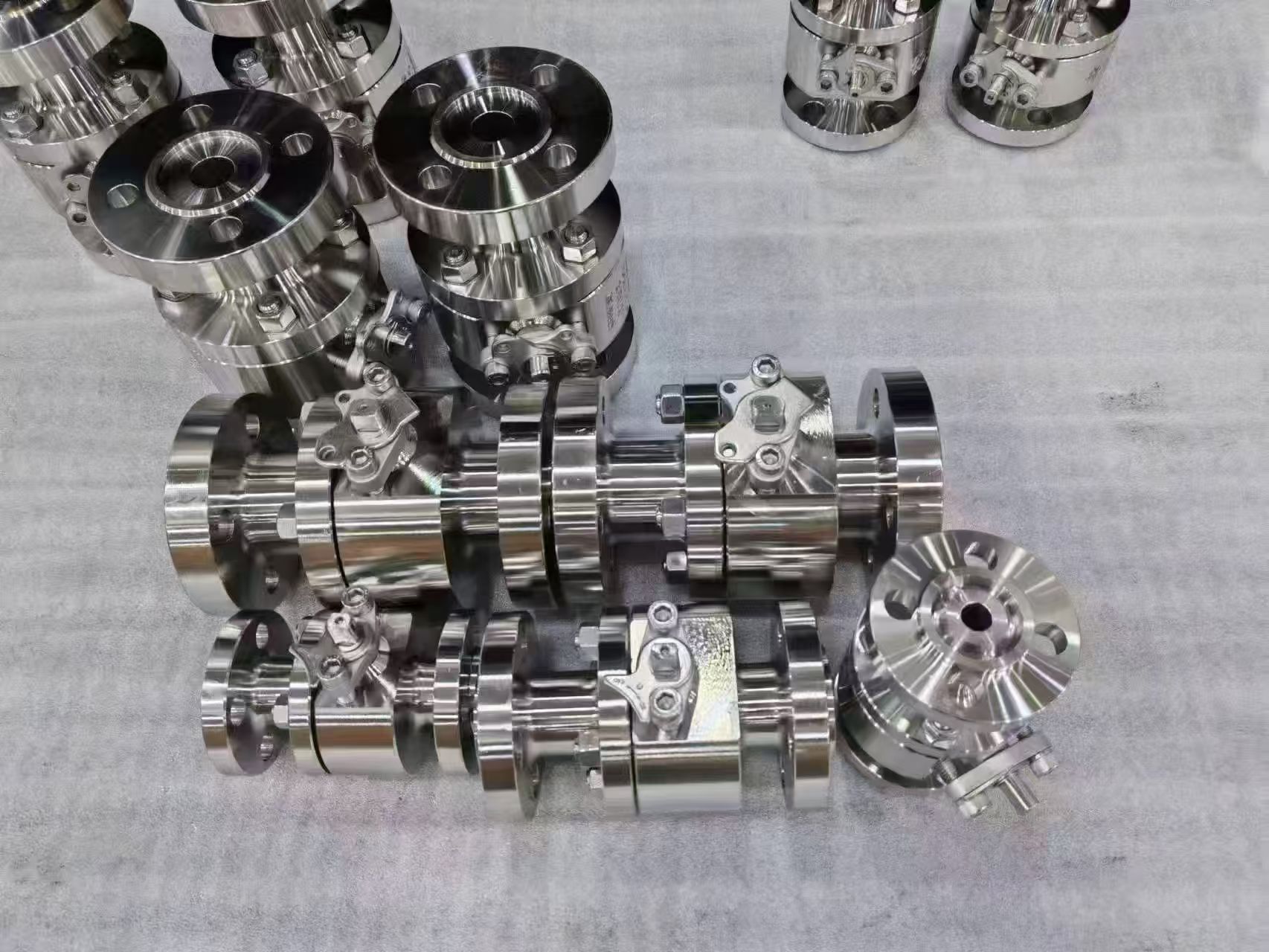
Straight-through flow geometry minimizes dynamic pressure drops across wide-diameter distribution lines.
Shutoff Performance and Sealing Integrity
Shutoff integrity determines how reliably a valve halts downstream fluid movement under positive line pressure. Ball valves provide superior shutoff performance compared to standard gate configurations, especially across utility and chemical pipelines.
The sealing geometry of a ball valve relies on continuous surface contact between the smooth external curvature of the sphere and surrounding seat rings. Downstream line pressure pushes a floating ball against the downstream seat, enhancing sealing contact force as system pressure rises. For high pressures and large line sizes, trunnion-mounted designs secure the sphere mechanically at top and bottom, using spring-energized seat rings to press tightly against the ball face. This dual-seat arrangement provides reliable shutoff in critical gas and liquid service, preventing creeping leaks even under varying thermal conditions.
Gate valves depend upon a precise mechanical wedge fit between the moving disc and fixed body seat rings. Metal-to-metal seating serves typical high-temperature and high-pressure steam gate valves, which tolerate thermal shock but require considerable stem torque to seal tightly. If tiny pipe scale, mineral buildup, or welding slag lodges in the bottom recess of the valve body, the wedge cannot seat fully down. This trapped debris leaves an opening along the bottom perimeter, permitting continuous leakage past the barrier and eroding the sealing faces over time.
Resilient seated ball valves deliver tight shutoff with lower operating torque than metal-seated gate designs. Systems transporting gases or thin fluids require this dependable seat compliance.

Continuous perimeter contact along resilient seats prevents fluid bypass across rotary valve designs.
Pressure and Temperature Ratings Across Systems
Operating limits depend heavily on structural body metallurgy, bonnet construction, and seat composition. Both valve families handle extreme environments, but material limitations dictate suitable service envelopes.
Gate valves excel in severe high-temperature and extreme high-pressure applications where metal-to-metal seating is mandatory. Cast steel, forged alloy steel, and stainless steel gate valves routinely handle superheated steam, thermal oil circuits, and petrochemical refining lines. Because these valves use solid metal wedges without soft elastomeric components, they resist thermal degradation under conditions that would disintegrate polymer seals. However, extreme temperature cycling can cause thermal binding, where differential cooling rates between the body and disc trap a closed wedge tightly between seats.
Ball valves perform reliably across cryogenic to high-pressure utility services, but their upper temperature threshold is frequently governed by seat material limits. Standard ball valves use fluoropolymer seats like PTFE, reinforced PTFE, or PEEK, which provide tight sealing but soften under elevated operating temperatures. Metal-seated ball valves resolve this temperature constraint by employing hard-faced coatings such as stellite or tungsten carbide, allowing operation in high-temperature media. However, metal-seated ball configurations demand precise manufacturing tolerances and significantly higher operational torque.
| Factor | Gate Valve | Ball Valve | Operational Comparison |
| High Temperatures | Exceptional | Moderate to High | All-metal gate designs tolerate extreme thermal exposure without seat melting. |
| High Pressures | High | Exceptional | Trunnion-supported ball units handle intense line pressures reliably. |
| Thermal Cycling | Binding Risk | High Stability | Rapid temperature shifts can mechanically seize wedge gate valves. |
| Tight Sealing | Torque Reliant | Inherent | Resilient ball valve seats achieve zero leakage with minimal handle effort. |
Speed of Operation and Water Hammer Risks
The mechanical speed at which a valve isolates flow represents a major operational distinction between these two valve types. Fast shutoff offers quick response during emergencies, but it introduces hydraulic pressure surges.
Ball valves provide quick operation through their quarter-turn handle mechanism. Rotating the stem ninety degrees moves the sphere from fully opened to fully closed in a fraction of a second. This rapid actuation proves invaluable during emergency isolation situations where gas, hazardous chemicals, or high-volume water lines must halt instantly to prevent damage. Automated actuators mounted to ball valves can cycle rapidly, making them standard equipment in safety shutdown systems and automated batching processes.
However, closing a quarter-turn valve rapidly in liquid lines introduces the risk of water hammer. Water hammer occurs when moving fluid suddenly encounters an abrupt barrier, creating a destructive kinetic pressure wave that travels upstream through the piping. These violent pressure shocks rupture fittings, dislodge pipe hangers, loosen threaded joints, and damage sensitive monitoring instruments. In high-flow or long-run liquid distribution systems, manual ball valves must turn slowly, or slow-closing actuators must be installed to disperse fluid momentum gradually.
Rapid quarter-turn closure of liquid pipelines risks severe water hammer pressure spikes. Multi-turn gate valves naturally prevent hydraulic shocks by closing fluid paths slowly.
Gate valves protect systems against fluid hammer through their multi-turn design. Opening closing cycles require many turns of the handwheel, which forces the disc to descend gradually into the fluid flow. This slow advancement progressively throttles fluid velocity across several seconds or minutes, allowing upstream line pressure to adjust smoothly. For municipal water mains and long-distance transmission lines, this gradual shutoff characteristic safeguards mechanical pipe infrastructure against destructive pressure surges.
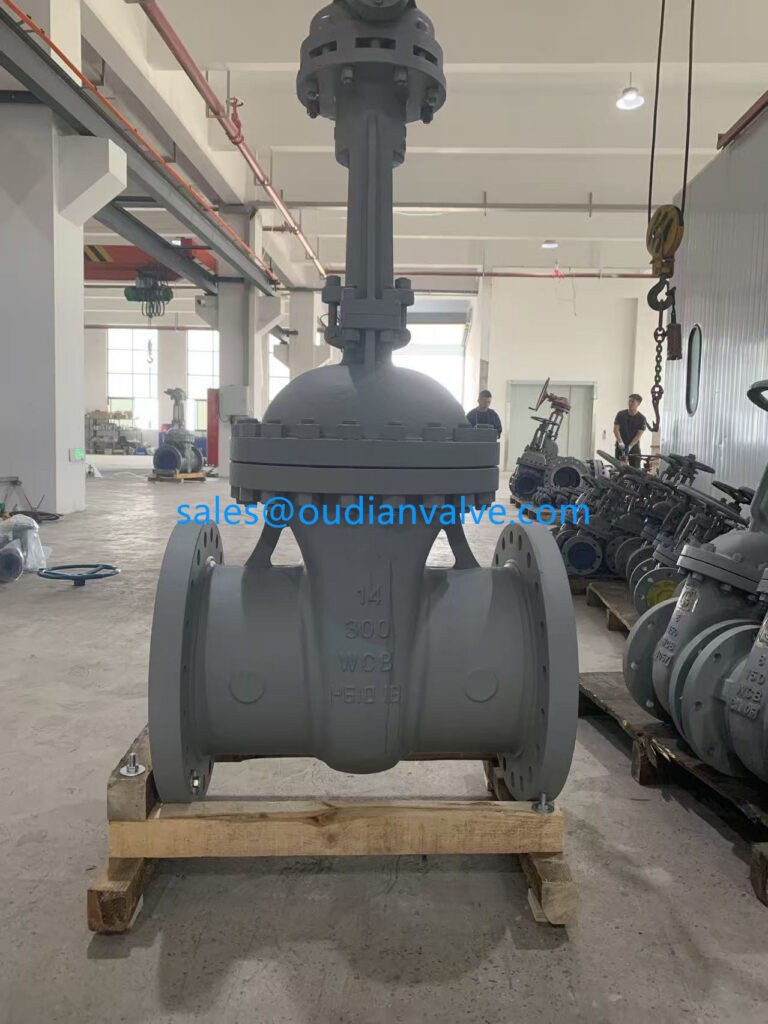
Gradual multi-turn valve travel prevents hydraulic shockwaves across extensive piping networks.
Durability, Wear Patterns, and Maintenance Requirements
Operating frequency and media characteristics dictate how gate valves and ball valves degrade over extended operational service. Selecting a design tailored to maintenance capabilities helps prolong service lifespans.
Gate valves experience mechanical wear primarily along their seating surfaces and stem packing gland. Every cycle drags the gate directly against the body seats under heavy line pressure, leading to friction scuffing over time. Furthermore, the deep body recess required to house the lowered wedge acts as a settling zone where rust flakes, silt, and process particulates collect. In pipelines carrying suspended matter or wastewater, this debris accumulation prevents full closure, necessitating line shutdown and bonnet disassembly to clear packed solids.
Ball valves demonstrate superior self-cleaning characteristics during routine cycling. As the polished sphere rotates within its seats, the wiping action clears away minor surface film and soft sediment before particles can become trapped. However, if gritty abrasives or crystalline minerals pass through resilient-seated ball valves, they scratch the polished metal surface of the sphere and gouge elastomeric seats. Once damaged, repairing small ball valves rarely makes economic sense, whereas larger flanged units feature rebuildable body designs that allow seat and seal replacement.
Ball Valve Durability Strengths
- Wiping action clears surface scale during quarterly cycling.
- Stem seals experience rotational rather than linear sliding friction.
- Resilient seats maintain bubble-tight isolation over frequent cycles.
Gate Valve Maintenance Challenges
- Bottom body pocket collects particulate matter and sludge.
- Linear stem travel wears packing rings faster, increasing weepage risk.
- Refacing worn metal seats requires specialized mechanical lapping.
Installation Footprint, Weight, and Spatial Constraints
Physical plant layout, pipe rack spacing, and ceiling heights dictate valve form factors. Clearances around piping runs frequently rule out specific valve geometries regardless of hydraulic performance.
Rising stem gate valves demand considerable overhead clearance to allow the threaded shaft to travel upward as the valve opens. In crowded mechanical rooms, suspended ceiling plenums, or tightly grouped underground vaults, this vertical envelope is often unavailable. Non-rising stem gate valves solve vertical clearance limitations by keeping the stem stationary, but they lack visual indication of disc position. Technicians cannot confirm whether a non-rising stem valve is open or closed without turning the handwheel to check mechanical resistance.
Ball valves feature a compact vertical envelope because their stem rotates horizontally within the bonnet assembly. However, manual ball valves require substantial lateral clearance to accommodate their long operating handle. The handle must swing ninety degrees through a wide radial arc without striking adjacent pipes, structural steel, or electrical conduit. In tight quarters, gear operators with compact handwheels can replace long levers, or pneumatic actuators can fit directly above the valve body to reduce lateral interference.
Vertical Space Demands
Rising stems require extensive overhead clearance to open fully. Non-rising designs fit tight ceilings but omit visual disc position verification.
Radial Handle Clearance
Rotary lever handles require ample side swing clearance to cycle. Parallel handle alignment provides instant confirmation of open or closed status.
Initial Purchase Cost and Long-Term Value
Procurement choices balance upfront capital expense against ongoing maintenance and eventual replacement overhead. Diameter size changes the cost equation between these two competing valve categories.
In small pipe diameters below two inches, ball valves commonly represent the most economical and reliable choice. Mass-produced brass, bronze, and stainless steel ball valves provide high sealing performance at an accessible purchase price. Their simple construction and leak-free operation eliminate frequent maintenance interventions, yielding excellent lifecycle value across residential and commercial plumbing installations.
As pipe diameters increase into medium and large dimensions, gate valves become substantially less expensive to manufacture than comparable full-port ball valves. Machining and polishing a large, heavy solid stainless steel sphere and engineering high-load trunnion bearings demands complex tooling and raw material volume. A large cast iron or cast steel gate valve requires less material complexity and simpler machining, making it cost-effective for municipal water distribution mains and heavy industrial trunk lines.
Small Diameter Applications
- Ball valves dominate utility plumbing sizes.
- Lower unit cost for compact forged bodies.
- Negligible maintenance requirements save labor.
- Long operational life without packing adjustments.
Large Diameter Applications
- Gate valves dominate major transmission mains.
- Cast bodies reduce initial procurement budgets.
- Standardized repair parts fit municipal standards.
- Economical choice for infrequent isolation points.
Line size and casting mass fundamentally alter equipment procurement budgets across utility networks.
System-by-System Selection Guide
Standard engineering practices assign specific valve types to various fluid handling environments. Matching the valve mechanism to fluid chemistry and operational duty prevents unexpected line failures.
Residential and commercial plumbing systems increasingly prioritize ball valves for main water shutoffs, water heater isolations, and appliance branch lines. The clear visual feedback of the lever handle allows property occupants to confirm valve status instantly. For exterior hose bibbs and municipal water meter pits, non-rising stem gate valves still see use where slow operation prevents shock to older supply piping.
In heavy industrial and commercial settings, fluid properties dictate valve selection:
- Potable Water Supply: Ball valves deliver zero-leakage performance in distribution risers, while large gate valves handle underground street mains without water hammer risks.
- Natural Gas and Fuel Oils: Ball valves provide fire-tested, bubble-tight isolation with fast shutoff action during system emergencies.
- High-Pressure Steam Systems: Cast steel gate valves withstand high temperatures and intense line pressures without seat deformation.
- Wastewater and Slurry Handling: Knife gate valves with beveled gate plates cut through dense solids, whereas standard ball valves foul from stringy debris.
- Chemical Processing: Flanged ball valves featuring PTFE seats resist corrosive compounds and cycle cleanly without stem leakage.
System media characteristics and operating cadence guide the choice of fluid control devices.
How to Choose Between Gate and Ball Valves
Selecting the proper valve requires evaluating four primary operational variables. Following an orderly assessment prevents mismatched hardware choices.
- Assess Required Cycling Speed: Determine whether the pipeline requires emergency quarter-turn shutoff or slow, surge-free isolation. Choose ball valves for quick action and gate valves to protect liquid systems from water hammer.
- Evaluate Operating Frequency: Identify how often personnel will operate the valve. Ball valves provide durable service across frequent cycling, whereas gate valves work best for lines that remain open or closed for months or years.
- Measure Physical Clearances: Verify overhead and side clearance along the planned pipe run. Select ball valves when vertical room is tight, or choose gate valves when adjacent equipment obstructs handle rotation.
- Review System Fluid Properties: Examine media composition, temperature, and operating pressure. High-temperature steam favors metal-seated gate valves, while fuel gases, thin chemicals, and potable water benefit from resilient-seated ball valves.
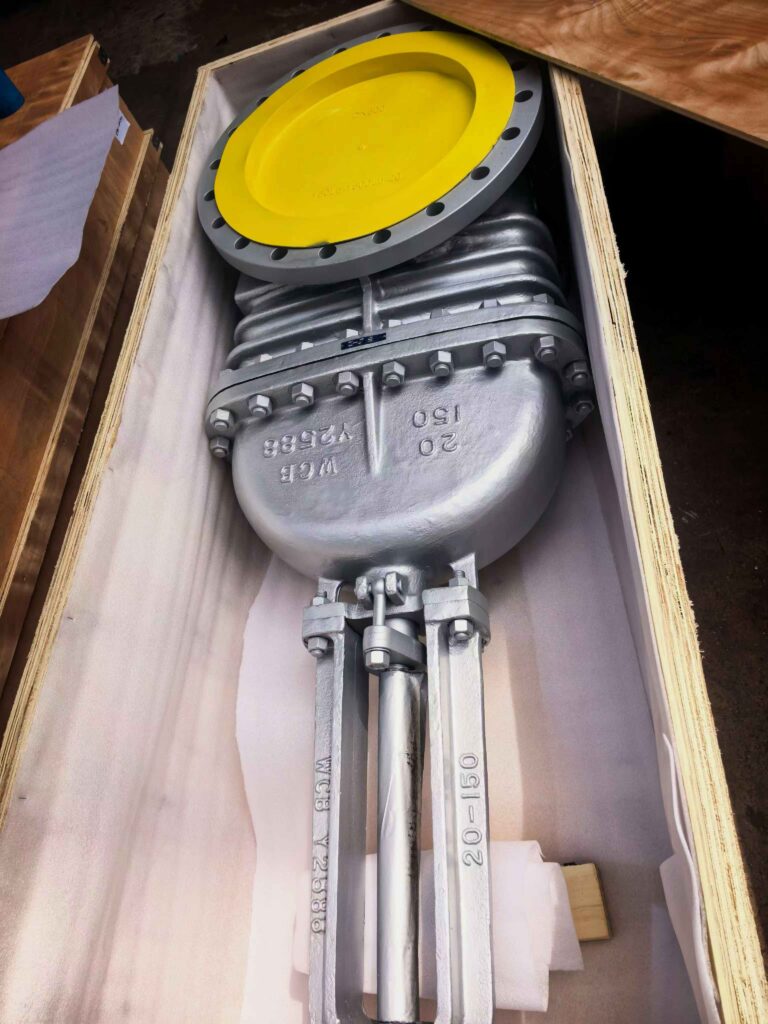
Physical clearance measurements confirm that selected valve assemblies can cycle without spatial interference.
Frequently Asked Questions
Can a gate valve be used to balance or throttle water flow?
Gate valves should not balance or throttle liquid flow. Partially lowering the gate exposes its bottom edge to fluid turbulence, which causes severe vibration, wire drawing, and permanent damage to sealing faces.
Why do ball valves cause water hammer in liquid lines?
Ball valves cause water hammer when their quarter-turn handles swing closed abruptly. Halting moving liquid in a fraction of a second generates a high-pressure kinetic surge that shocks pipes, joints, and fittings.
How can one determine if a valve is open or closed from a distance?
Ball valves offer immediate visual verification because their handle aligns parallel with the pipe when open and perpendicular when closed. Gate valves do not provide clear visual status unless they use an exposed rising stem.
Which valve type lasts longer in high-temperature steam lines?
Metal-seated gate valves generally last longer in high-temperature steam service. Their all-metal wedge construction tolerates extreme thermal exposure without the seat softening common in standard fluoropolymer-seated ball valves.
What causes a gate valve to fail to close completely?
Debris accumulation in the bottom recess of the valve body is the primary reason gate valves fail to close fully. Sediment, mineral scale, or pipe debris prevents the wedge from reaching the bottom of its travel.
Summary of Valve Selection Principles
Choosing between a gate valve vs ball valve centers on balancing shutoff speed, spatial envelope, and fluid characteristics. Ball valves deliver dependable quarter-turn shutoff with leak-free sealing across plumbing, fuel, and chemical lines, while gate valves provide economical, surge-free isolation across large-diameter water mains and high-temperature steam systems. Matching mechanical capabilities to system requirements preserves piping longevity and prevents premature equipment downtime.