


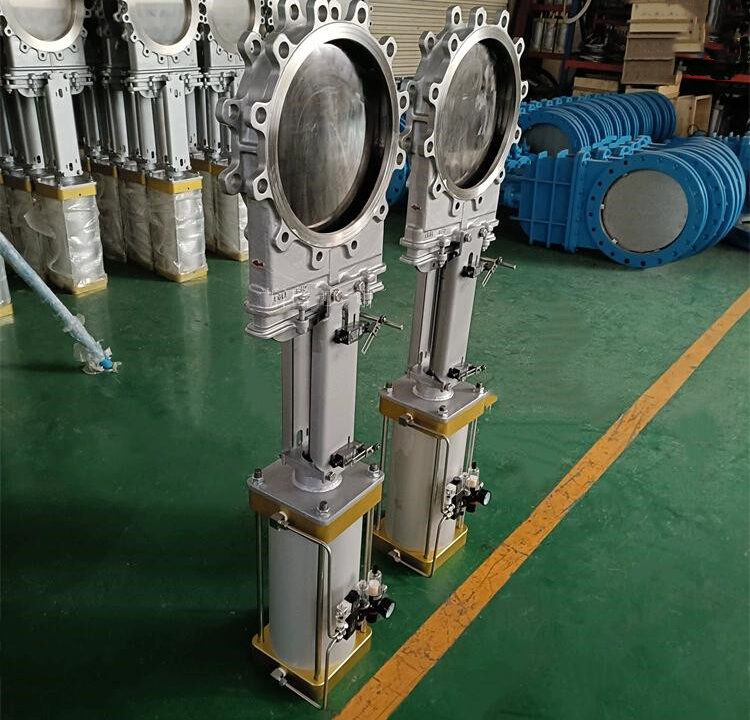
Gate Valve Types
Gate Valve Types Explained: Wedge, Parallel Slide, Slab, Knife and Special Gate Valve Designs
Gate valves are among the most widely used isolation valves in industrial piping systems. Their ability to provide full flow with minimal pressure loss makes them essential in industries such as oil & gas, petrochemical processing, water treatment, power generation, mining, and marine engineering.
Different operating environments require different gate valve designs. Choosing the correct valve type is critical for system safety, sealing reliability, maintenance costs, and long-term operational efficiency.
In this guide, we will explain the major gate valve types, including wedge gate valves, parallel slide gate valves, slab gate valves, knife gate valves, and specialty designs. We will also discuss their working principles, advantages, disadvantages, applications, materials, standards, and selection considerations.
What Is a Gate Valve?
A gate valve is a linear motion valve used primarily for isolation service. It controls flow by raising or lowering a gate-like disc inside the valve body. When fully open, the gate is completely removed from the flow path, allowing unrestricted fluid flow with very low pressure drop.
Unlike globe valves or control valves, gate valves are not designed for throttling applications. Operating a gate valve partially open can cause vibration, erosion, and damage to the seating surfaces.
Main Characteristics of Gate Valves
- Full-port flow design
- Minimal pressure loss
- Tight shutoff capability
- Bi-directional flow operation
- Suitable for high pressure and high temperature applications
- Available in a wide range of materials and pressure classes
Gate valves are commonly manufactured according to standards such as API 600, API 602, API 6D, ASME B16.34, and DIN specifications.
Main Components of a Gate Valve
Understanding the basic structure of a gate valve helps users select the proper valve for industrial applications.
Valve Body
The valve body is the main pressure-containing component connected to the pipeline.
Gate or Disc
The gate acts as the closure element that moves vertically to stop or allow fluid flow.
Seats
Seats provide sealing surfaces between the gate and valve body.
Stem
The stem transfers motion from the handwheel or actuator to the gate.
Bonnet
The bonnet encloses the valve internals and maintains pressure integrity.
Packing and Gland
These components prevent leakage around the stem area.
Actuator or Handwheel
Gate valves may be manually operated or automated using electric, pneumatic, or hydraulic actuators.
Major Types of Gate Valves
Several gate valve designs are available to meet different industrial requirements.
1. Wedge Gate Valve
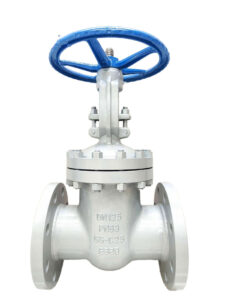
The wedge gate valve is the most common type used in industrial systems. It features a wedge-shaped disc that seals tightly against inclined seats.
Because of its excellent sealing performance, wedge gate valves are widely used in high-pressure and high-temperature systems.
Types of Wedge Gate Valves
Solid Wedge Gate Valve
The solid wedge design is simple, strong, and suitable for demanding operating conditions. However, thermal expansion may occasionally cause binding.
Flexible Wedge Gate Valve
Flexible wedge valves contain a small groove around the disc edge, allowing slight flexibility. This design improves sealing performance during temperature fluctuations.
Split Wedge Gate Valve
Split wedge designs use two separate disc halves to improve seat alignment and reduce sealing stress.
Advantages
- Excellent sealing capability
- Strong mechanical structure
- Suitable for high pressure applications
- Reliable shutoff performance
Disadvantages
- High operating torque
- Slower opening and closing
- Not suitable for throttling
Applications
Wedge gate valves are commonly used in:
- Oil & gas pipelines
- Steam systems
- Petrochemical plants
- Thermal power stations
- Industrial water systems
2. Parallel Slide Gate Valve
Parallel slide gate valves use parallel discs instead of wedge-shaped gates. Sealing is achieved by mechanical or pressure-assisted seating force.
These valves are particularly suitable for high-temperature and high-pressure steam applications because thermal expansion has less effect on seat alignment.
Advantages
- Reduced thermal binding risk
- Good sealing performance in steam systems
- Lower seat wear
Disadvantages
- More complex internal structure
- Higher manufacturing cost
Applications
Parallel slide gate valves are widely used in:
- Power plants
- Steam distribution systems
- Boiler systems
- High-temperature industrial services
3. Slab Gate Valve
A slab gate valve is a through-conduit full-bore gate valve commonly used in oil and gas transmission pipelines.
The valve contains a single slab gate with a full-opening bore equal to the pipeline diameter. This design minimizes turbulence and pressure loss while allowing pipeline pigging operations.
Slab gate valves are often designed with double block and bleed functionality for improved operational safety.
Advantages
- Full bore design
- Minimal pressure drop
- Excellent for piggable pipelines
- Reliable sealing performance
- Suitable for long-distance transportation systems
Disadvantages
- Large size and weight
- Higher manufacturing cost
Applications
Slab gate valves are widely used in:
- Crude oil pipelines
- Natural gas transmission
- Pipeline manifolds
- Offshore oil platforms
- Refinery transportation systems
4. Knife Gate Valve
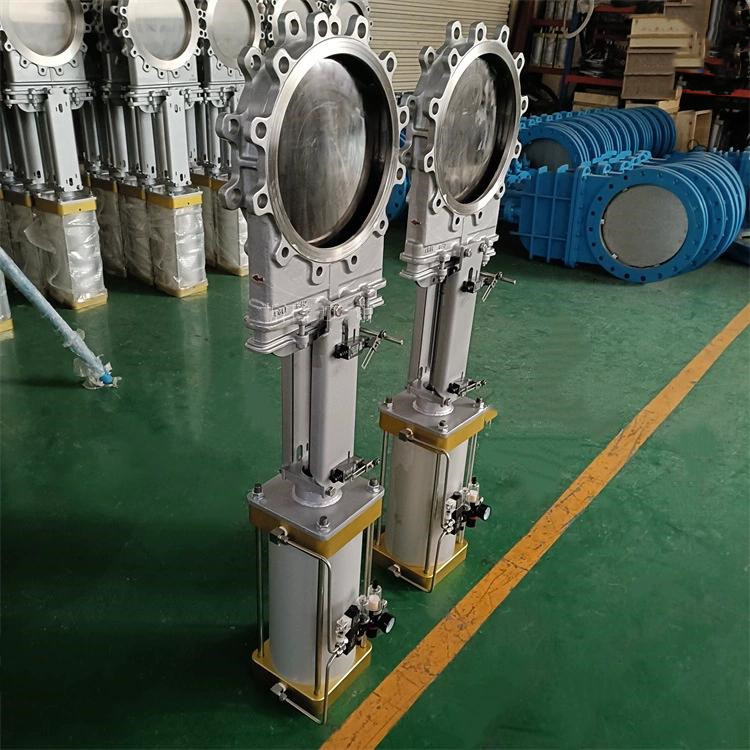
Knife gate valves are specially designed for handling slurry, viscous fluids, and media containing solid particles or fibers.
Unlike conventional gate valves, knife gate valves use a sharp-edged blade capable of cutting through thick media during operation.
Their simple structure and self-cleaning action make them ideal for severe service environments.
Advantages
- Excellent for slurry handling
- Suitable for fiber-containing media
- Lightweight structure
- Lower cost compared with other industrial valves
- Reduced clogging risk
Disadvantages
- Limited pressure capability
- Not ideal for high-pressure systems
- Lower sealing performance than wedge gate valves
Applications
Knife gate valves are widely used in:
- Mining operations
- Pulp and paper industry
- Wastewater treatment
- Chemical slurry systems
- Cement plants
- Food processing systems
Because of their ability to handle abrasive and viscous fluids, knife gate valves are often preferred in industries where conventional valves may fail due to clogging or media buildup.
5. Rising Stem vs Non-Rising Stem Gate Valve
Gate valves may also be classified according to stem design.
Rising Stem Gate Valve
In a rising stem design, the stem moves upward during valve opening. Operators can visually determine valve position.
Advantages
- Easy position indication
- Reduced internal thread exposure
Disadvantages
- Requires more installation space
Non-Rising Stem Gate Valve
In non-rising stem valves, the stem rotates without vertical movement.
Advantages
- Compact design
- Suitable for underground installations
Disadvantages
- Internal stem threads contact process media
- Valve position is less visible
Special Gate Valve Designs
Several specialty gate valve designs are developed for unique industrial requirements.
Pressure Seal Gate Valve
Used in high-pressure and high-temperature applications such as power plants.
Cryogenic Gate Valve
Designed for extremely low-temperature services involving LNG and industrial gases.
Bellows Seal Gate Valve
Prevents stem leakage in hazardous or toxic fluid applications.
Through-Conduit Expanding Gate Valve
Provides double sealing and reduced seat wear in pipeline systems.
Gate Valve Materials
Material selection significantly affects valve performance, corrosion resistance, and service life.
| Material | Advantages | Typical Applications |
|---|---|---|
| Cast Iron | Economical | Water systems |
| Carbon Steel | High strength | Oil & gas |
| Stainless Steel | Corrosion resistance | Chemical processing |
| Alloy Steel | High temperature resistance | Power plants |
| Bronze/Brass | Good seawater resistance | Marine applications |
| Duplex Stainless Steel | Superior corrosion resistance | Offshore systems |
Material selection should consider:
- Fluid type
- Pressure
- Temperature
- Corrosion conditions
- Abrasion level
Gate Valve Standards
Industrial gate valves are manufactured according to international standards to ensure quality, interchangeability, and safety.
Common Gate Valve Standards
API 600
Covers bolted bonnet steel gate valves for petroleum and natural gas industries.
API 602
Applies to compact forged steel gate valves.
API 6D
Specifies pipeline valves used in oil and gas transportation systems.
ASME B16.34
Defines pressure-temperature ratings and design requirements.
DIN Standards
Widely used in European industrial systems.
BS Standards
British standards for industrial valve manufacturing.
These standards regulate:
- Pressure ratings
- Face-to-face dimensions
- Testing procedures
- Fire-safe requirements
- Material specifications
Gate Valve vs Other Valve Types
Selecting the right valve requires understanding the differences between various valve designs.
| Valve Type | Best Use | Pressure Drop | Throttling Capability |
| Gate Valve | Isolation service | Very low | Poor |
| Globe Valve | Flow control | High | Excellent |
| Ball Valve | Quick shutoff | Very low | Limited |
| Butterfly Valve | Large pipelines | Medium | Moderate |
Gate valves are generally preferred when full flow and tight isolation are required.
Common Gate Valve Problems
Although gate valves are reliable, operational issues may occur due to improper installation, wear, or harsh operating conditions.
Seat Leakage
Often caused by debris, erosion, or damaged sealing surfaces.
Stem Leakage
Usually related to worn packing materials or improper gland adjustment.
Thermal Binding
Occurs when thermal expansion prevents proper gate movement.
Corrosion
Chemical attack may damage internal components and reduce valve lifespan.
Cavitation Damage
High-velocity flow conditions can damage seating surfaces.
Actuator Failure
Electrical or pneumatic actuator malfunctions may affect valve operation.
Proper maintenance and periodic inspection help minimize these issues.
How to Select the Right Gate Valve
Choosing the correct gate valve depends on several operating factors.
Media Type
Determine whether the fluid is:
- Clean liquid
- Steam
- Gas
- Slurry
- Corrosive chemical
- Wastewater
Pressure and Temperature
Select appropriate pressure class and material.
Valve Size
Gate valves are available in a wide range of diameters for industrial piping systems.
Connection Type
Common end connections include:
- Flanged
- Butt weld
- Socket weld
- Threaded
Operation Method
Gate valves may be:
- Manual
- Electric actuated
- Pneumatic actuated
- Hydraulic actuated
Industry Standards
Ensure compliance with project specifications and international standards.
Maintenance Tips for Gate Valves
Regular maintenance improves valve reliability and extends service life.
Recommended Maintenance Practices
- Periodically inspect stem packing
- Lubricate moving components
- Operate valves regularly to prevent sticking
- Inspect seats for wear or corrosion
- Verify actuator performance
- Replace damaged sealing components promptly
Preventive maintenance is especially important in high-pressure and corrosive environments.
Frequently Asked Questions
What is the difference between a gate valve and a globe valve?
Gate valves are designed for isolation service, while globe valves are mainly used for flow regulation.
Can gate valves be used for throttling?
No. Gate valves should normally operate fully open or fully closed.
Which gate valve is best for slurry?
Knife gate valves are ideal for slurry and fiber-containing media.
What is a full-port gate valve?
A full-port valve has an internal bore equal to the pipeline diameter, minimizing pressure loss.
Why do gate valves leak?
Common causes include seat damage, worn packing, corrosion, or debris inside the valve.
What industries use slab gate valves?
Oil & gas transmission systems commonly use slab gate valves.
What is the difference between rising stem and non-rising stem gate valves?
Rising stem valves provide visible position indication, while non-rising stem valves save installation space.
Conclusion
Gate valves remain one of the most important isolation valves in modern industrial piping systems. From wedge gate valves used in high-pressure applications to knife gate valves designed for slurry handling and slab gate valves for pipeline transportation, each design offers unique operational advantages.
Understanding the differences between gate valve types, materials, sealing structures, and operating mechanisms helps engineers and industrial buyers select the most suitable valve for long-term reliability and performance.
As a professional industrial valve manufacturer, NTGD Valve provides high-quality gate valves manufactured according to international standards for demanding industrial applications worldwide.