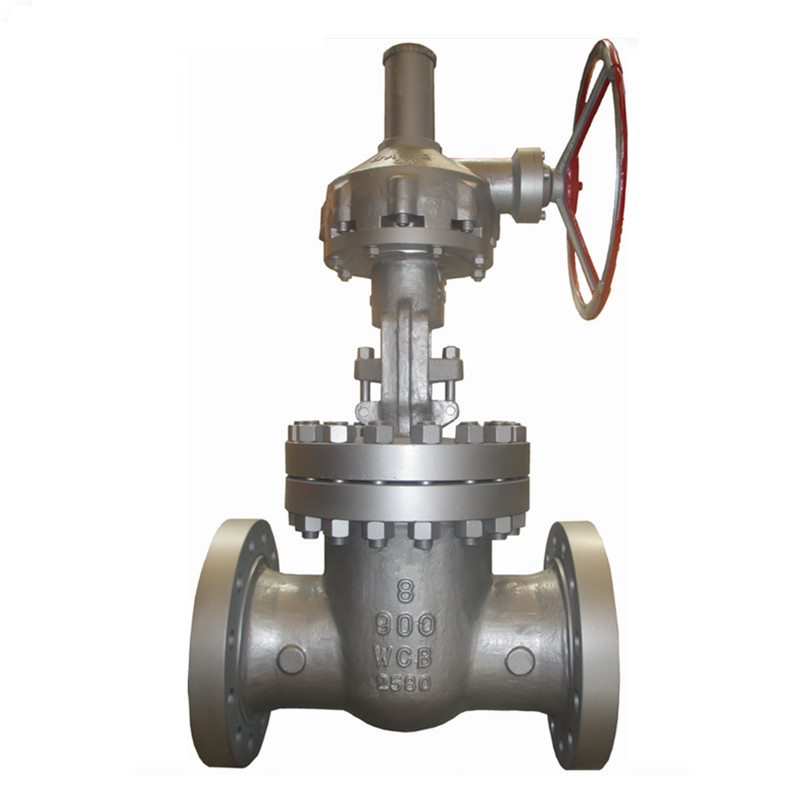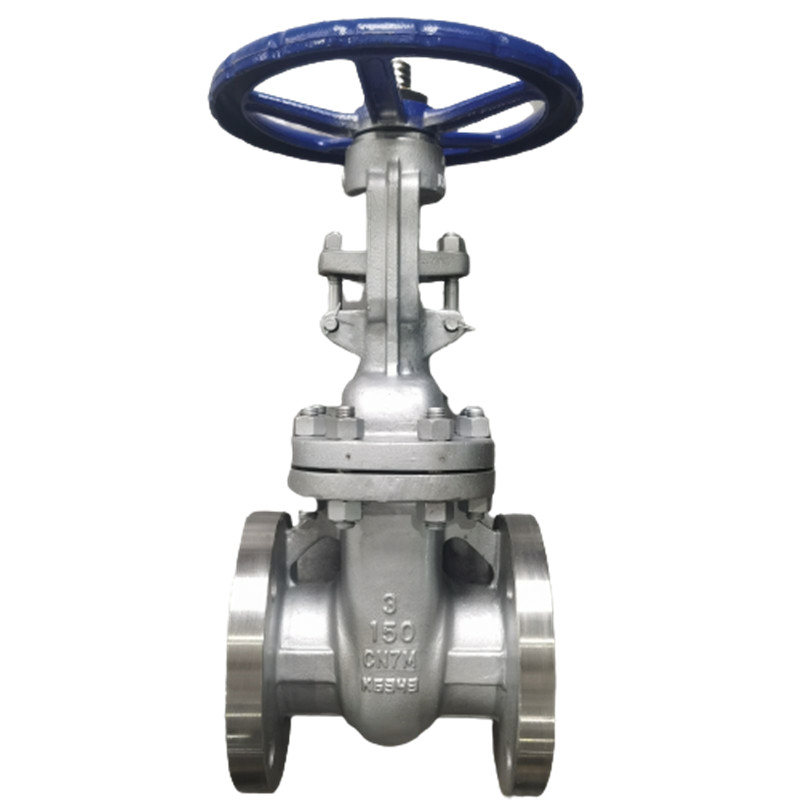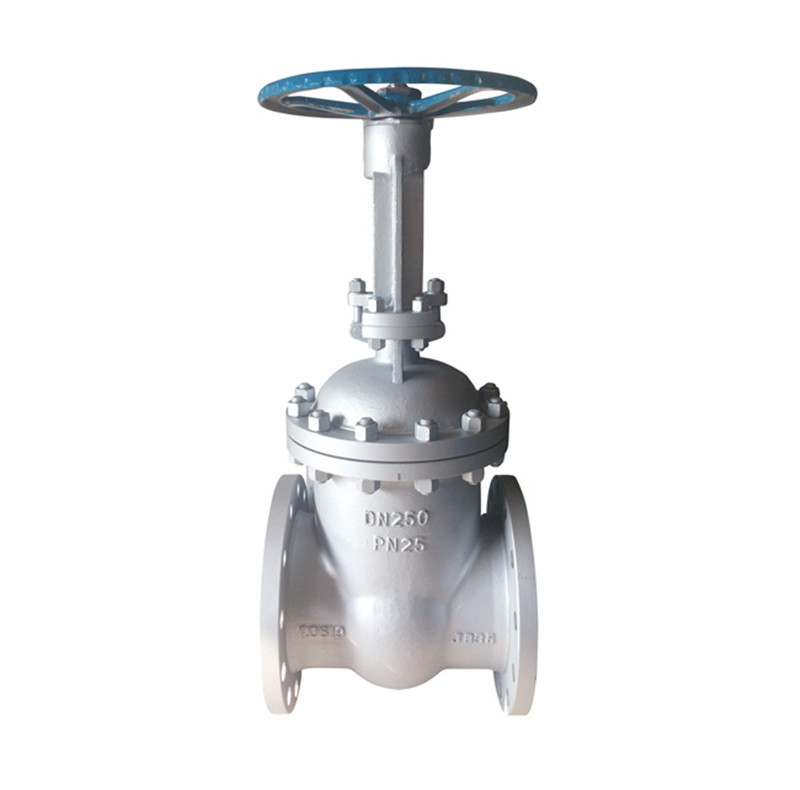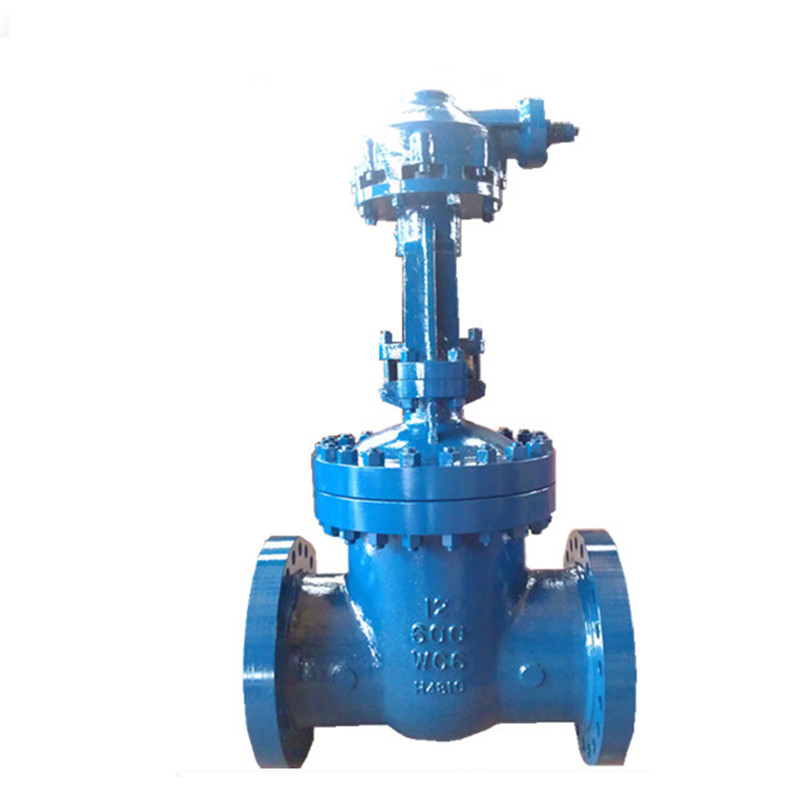


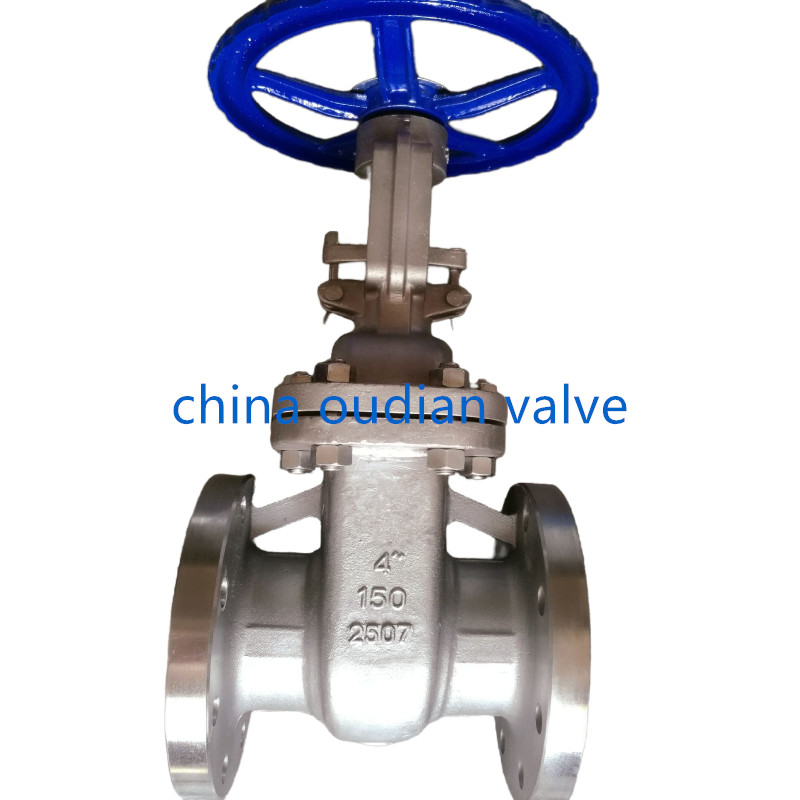
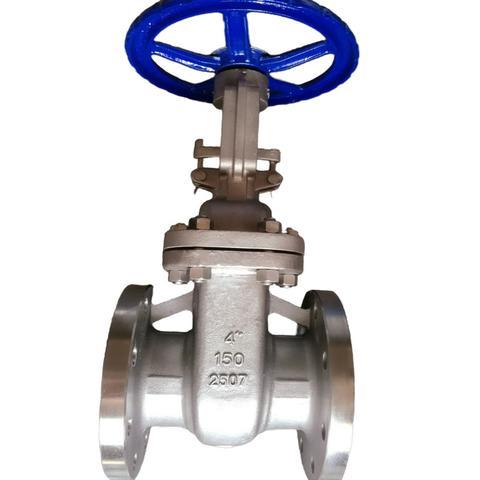
2507 Gate Valve, 4 Inch, API 600, 150 LB, RF End
Standard de proiectare: API 600
Evaluări presiune-temperatura: ASME B16.34
Interval de dimensiuni: de la 2” la 48”
Interval de presiune: Clasa 150 până la 2500
Conexiuni la capăt: RF cu flanșă, RTJ, sudare cap la cap
Dimensiuni de capăt cu flanșă: ASME B16.5 (≤24”), ASME B16.47 Seria A sau B (>24”)
Dimensiuni capăt de sudare cap la cap: ASME B16.25 față în față
Dimensiuni față în față: ASME B16.10
Inspecție și testare: API 598
Materiale caroserie: ASTM A351 CF8, ASTM A351 CF8M, ASTM A351 CF3M, ASTM A351 CF8C
CN3MN, CK3MCUN, CN7M, ASTM A890 4A(CD3MN), ASTM A890 5A(CE3MN),
ASTM A890 6A(CD3MWCuN)
ASTM B148 C95800, ASTM B148 C95500.
Packing materials:Ptfe,PPL, graphite, graphite with inconel wir
- Tulpina în creștere
- Scaun de supapă integral/Scaune sudate cu etanșare
- Sefi pentru robinete si bypass
- Ghidat complet, pană
- Emisii fugitive testate
- NACE MR0175 (opțional)
2507 Gate Valve (Super Duplex Stainless Steel)
2507 (UNS S32750 / EN 1.4410 / ASTM A890 Gr.5A) is a premium super duplex stainless steel — the highest grade among duplex steels, designed for extreme corrosion and high pressure. Below is complete technical data, features, specifications, and application guide.
🧱 Material Core Advantages
- Composition: 25%Cr + 7%Ni + 4%Mo + N₂; dual-phase structure (austenite + ferrite)
- Strength: Yield strength ≥ 550 MPa — 2x stronger than 316L, 1.5x stronger than 2205
- Rezistență la coroziune: PREN > 42; best resistance to chloride pitting, crevice corrosion, and stress corrosion cracking (seawater, brine, H₂S, acids) — far superior to 316L/2205
- Temperature: Stable up to 300–350°C; no brittleness like austenitic steels
- Limitări: Avoid >400°C (risk of sigma phase); higher cost, better weld control needed
⚙️ Main Specifications
✅ Design Standards
- Design: API 600, API 6D, ASME B16.34, EN 1984
- Dimensions: ASME B16.10 / B16.5, EN 558
- Test: API 598, EN 12266; optional NACE MR0175 (sour service)
✅ Size & Pressure
- Size: DN50–DN1200 (NPS 2″–48″)
- Pressure: Class 150–2500 / PN16–PN160
- Temperature: -40°C ~ +300°C (max 350°C intermittent)
✅ Structure & Type
- Model: Z41Y (rising stem), Z45Y (non-rising stem)
- Wedge: Solid or flexible wedge; full bore / reduced bore
- Bonnet: Bolted bonnet (BB), Outside Screw & Yoke (OS&Y)
- Connection: Flange RF/RTJ, Butt Weld, Socket Weld
✅ Standard Material List
| Part | Material |
|---|---|
| Body / Bonnet / Gate | 2507 / ASTM A890 Gr.5A / UNS S32750 |
| Tulpina | 2507 / F53 / Alloy 718 |
| Seat / Seal | Stellite hardfaced or solid 2507 |
| Packing | Graphite, PTFE, or high-temperature fiber |
| Gasket | Spiral wound (graphite + 2507 inner/outer ring) |
Caracteristici cheie
- Ultra-High Corrosion Resistance: Perfect for seawater, desalination, brine, produced water, acidic/chloride media — where 316L/2205 fail quickly
- High Strength: Thinner wall than 316L → lighter weight, compact design
- Low Flow Resistance: Full bore, straight-through flow, minimal pressure drop
- Bidirectional Sealing: Works equally well in both flow directions
- Long Life: 3–5x service life vs. 316L in harsh environments; low maintenance
- Zero Leakage: Metal-to-metal sealing; suitable for critical isolation
Typical Applications
- ✅ Offshore / Marine: FPSO, platforms, seawater cooling, firewater systems
- ✅ Oil & Gas: Sour service (H₂S/CO₂), produced water, pipeline isolation
- ✅ Desalination: SWRO plants, high-salinity brine
- ✅ Chemical: Chlor-alkali, phosphoric acid, bleach, strong oxidizers
- ✅ Mining: Slurry, acidic wastewater, chloride-rich processes
- ✅ Coastal/Power: Cooling water, flue gas treatment, salt environments
- Comparison: 2507 vs 2205 vs 316L
Item 316L 2205 2507 Strength Mediu Ridicat Very High Chloride Resistance Poor Good Excellent Max Temp 450°C 300°C 320°C Sour Service No Limited Yes Cost Scăzut Mediu Ridicat Best For General use Moderate corrosion Severe corrosion / high pressure Installation & Operation Notes
- Welding: Must use matching filler wire; avoid overheating (>350°C) — risk of reduced corrosion resistance
- Gasket/Packing: Use only compatible materials; avoid carbon steel contact (risk of galvanic corrosion)
- Operațiune: Fully open / fully close only; not for throttling
- Cleaning: Do not use carbon steel brushes; keep away from iron contamination
FAQ
Q: When should I choose 2507 instead of 2205?A: If chloride > 10,000 ppm, seawater, sour gas, or operating >150°C — 2507 is the only safe choice.Q: Is 2507 better than Alloy 20 / 904L?A: For chloride/seawater — yes, much better and stronger. For pure sulfuric acid — Alloy 20 may be better.Q: Can it replace titanium?A: In most marine/chemical cases — yes, at lower cost and higher strength.Would you like me to convert this into a technical specification sheet (TDS) or a selection guide table for quick reference?