


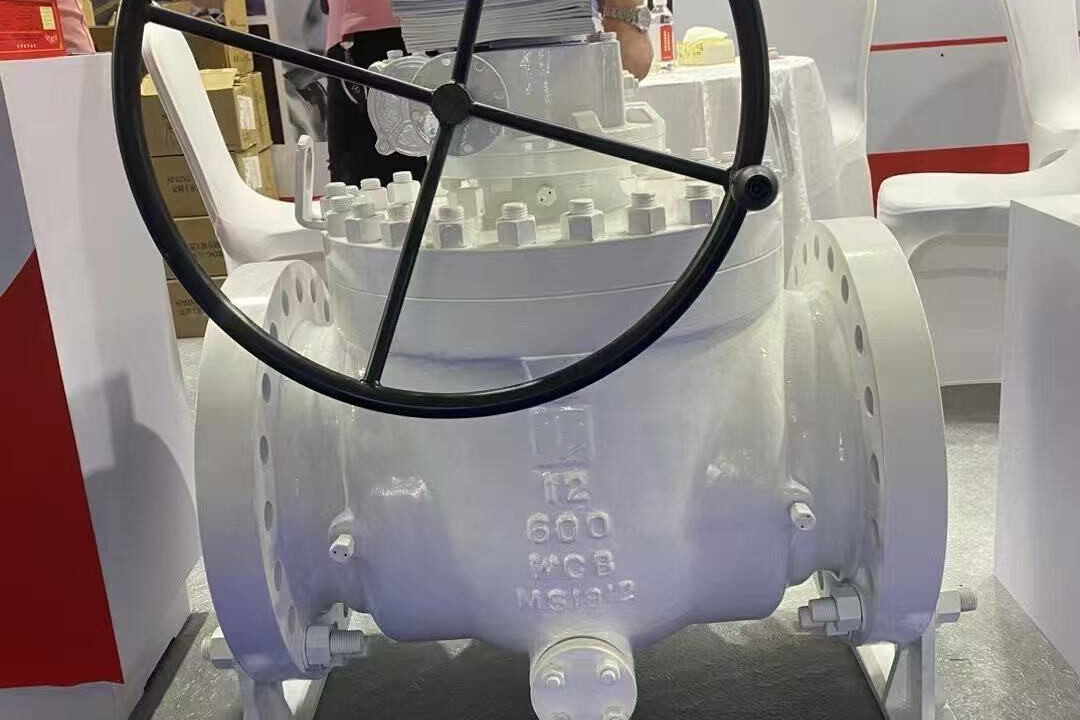
Corrosion-Resistant Ball Valve Selection and Engineering Guide
Operational conditions determine the correct válvula selection, with particular emphasis on chemical concentration, working pressures, and system temperature fluctuations. Evaluating mechanical stress alongside fluid characteristics prevents seat failure and preserves line containment under harsh industrial operating conditions.
Mechanics and Core Operating Principles
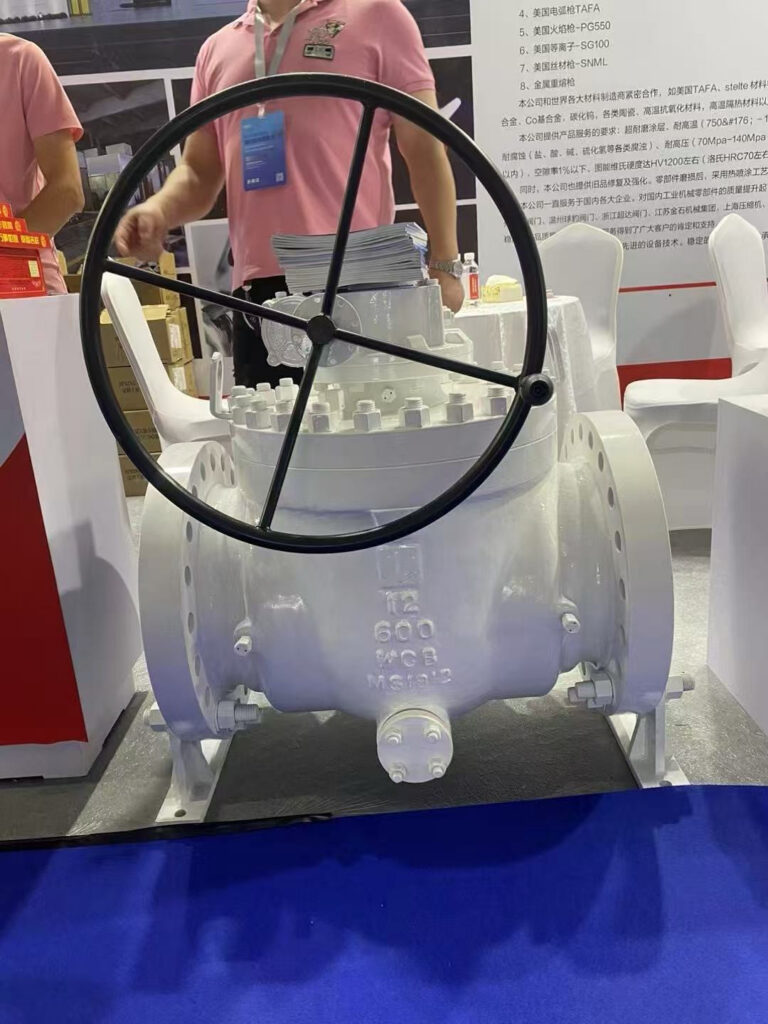
Ball valves operate using a quarter-turn mechanism where a bored spherical disc rotates within matching seats to start or stop fluid flow. Aligning the central bore with the pipeline creates an unobstructed path, while rotating the stem ninety degrees places the solid sphere wall across the flow path to halt line movement.
Two primary mechanical architectures dictate internal ball support in corrosive environments. Floating ball designs allow process line pressure to push the upstream ball slightly downstream against the secondary seat, enhancing the mechanical seal as fluid pressures climb. Trunnion-mounted configurations anchor the ball at both the top and bottom stems, which reduces operating torque and minimizes seat friction when handling elevated line pressures.
Standard industry practice distinguishes between on-off isolation and flow regulation. Ball valves excel at rapid isolation, but prolonged throttling exposes localized areas of the ball and seat to cavitation, accelerated erosion, and premature localized chemical pitting.
Materials of Construction for Corrosive Service
Selecting appropriate valve alloys and polymers prevents structural degradation caused by aggressive chemicals and environmental exposure. Matching the chemical properties of the fluid to both the metallic shell and the dynamic seat polymer preserves structural integrity throughout continuous operation.
Common base metals include austenitic stainless steel grades, which offer broad chemical resistance against organic acids, water streams, and industrial solvents. Non-ferrous alloys like brass and bronze ball valves deliver strong defense against atmospheric oxidation, non-potable water, and mild oils, though strong acids demand specialized fluoropolymer or composite bodies.
| Material do corpo | Seal Material | Typical Resistance | Primary Benefit |
| Aço inoxidável | PTFE | Acids and Solvents | Maintains structural strength across high temperatures. |
| Bronze | EPDM | Brine and Steam | Resists saltwater pitting and atmospheric oxidation. |
| Brass | FKM | Hydrocarbons | Economical choice for non-corrosive fuels and oils. |
| PVDF | FFKM | Strong Halogens | Prevents chemical attack in extreme acid applications. |
Elastomer choices demand equal consideration alongside body metallurgy. Polytetrafluoroethylene provides broad chemical inertness, whereas fluoroelastomer polymers offer resilience against hydrocarbon degradation in severe thermal environments.
Advantages and Operational Limitations of Corrosion-Resistant Ball Valves
Corrosion-resistant ball valves deliver dependable sealing performance, rapid actuation, and minimal pressure drop through open lines. Their compact footprint simplifies layout design across complex industrial skid systems.
Despite significant performance advantages, quarter-turn ball designs carry specific operational limitations in select fluid regimes. Trapped media inside the internal ball cavity can expand under thermal spikes, while slurry lines can deposit solids around the seal cavity, causing seat deformation over time.
Vantagens
- Low internal resistance enables efficient flow without excessive pressure drops.
- Quarter-turn rotation provides rapid emergency shutoff and streamlined automation.
- Resilient body materials lower the risk of wall thinning in chemical environments.
Limitações
- Internal cavities can trap stagnant media, which may decompose or crystallize.
- Throttling applications cause uneven seat wear and accelerated erosion.
- Extreme thermal cycles can cause thermal expansion mismatch between plastics and metals.
Suitable Media and Industrial Applications
Chemical processing operations rely on corrosion-resistant hardware to move raw reagents, aggressive acids, alkaline solutions, and solvent mixtures safely. Non-reactive valves prevent process contamination and protect surrounding plant personnel from hazardous leaks.
Wastewater facilities and municipal water treatment plants install these units to handle chlorinated streams, flocculants, and brackish effluent. Marine engineering, energy production, and commercial plumbing systems also integrate specialized corrosion-resistant assemblies to protect infrastructure against saline air and aggressive soil conditions.
- Chemical manufacturing facilities routing organic acids, bleach lines, and solvent streams.
- Petroleum processing units handling sour gas, hydrocarbons, and cooling water loops.
- Water purification systems regulating deionized water, brine discharge, and disinfectant metering lines.
- Commercial plumbing and building services managing aggressive drain lines and process steam loops.
Industrial lines handling oil, fuel gases, or abrasive suspensions require careful matching of seat hardness and ball coatings. Selecting hardened alloys or ceramic-coated balls helps reduce wear when fluids carry entrained crystalline solids.
Key Specifications for Valve Selection
Selecting the proper valve requires evaluating physical pipe dimensions, operating pressure envelopes, and connection styles. Sizing the valve diameter correctly maintains design flow rates without introducing fluid turbulence.
Engineers must balance port configuration against system requirements. Full-port valves match the pipe diameter to eliminate flow restrictions, whereas standard-port valves feature a slightly smaller internal bore that reduces valve footprint and operational torque.
Port and Size Matching
Full-port designs minimize pressure drops on viscous streams, while standard-port units lower overall assembly weight and procurement expenditure on clean lines.
Connection Standards
Select flanged ends for heavy chemical lines, threaded joints for compact piping, or compression and press fittings for low-vibration plumbing installations.
Actuation Style
Manual levers serve routine local isolation, while pneumatic or electric rotary actuators support automated emergency shutoff and centralized flow routing.
Connection methods also influence joint integrity over time. Welded ends eliminate external leak paths in toxic chemical lines, while flanged connections facilitate routine valve removal for inspection or rebuild tasks.
Installation Methods and Piping Connections
Correct installation procedures protect valve bodies from mechanical stress and seal distortion during piping tie-ins. Flange alignment must remain true prior to bolt tightening to prevent uneven gasket compression and stem binding.
Piping systems using threaded, compression, or press connections require precise pipe preparation to keep foreign matter out of the valve seats. Metal shavings, burrs, or excessive thread sealant can migrate into the internal cavity and tear elastomeric seals during the first quarter-turn cycle.
Thermal exposure during welding or soldering can destroy internal fluoropolymer seats. Disassemble three-piece valve bodies or wrap the center section in heat-absorbing thermal blankets before applying welding torches to adjacent pipe joints.
Supporting adjacent pipe runs reduces mechanical strain on the valve neck. Heavy actuators mounted atop unanchored piping can induce torsional bending, which accelerates stem packing leaks in corrosive atmospheres.
Operation and Routine Maintenance
Regular maintenance practices preserve valve integrity and prevent unexpected flow path failures in chemical facilities. Systematic visual checks combined with routine cycling help technicians identify external packing weepage before severe corrosion compromises the valve stem.
Infrequently operated valves benefit from periodic cycling to clear particulate buildup along the ball-to-seat sealing interface. Performing a partial stroke removes microscopic scale without disrupting continuous process operations.
Stem Seal Adjustment
Tighten the packing gland nut incrementally if slight moisture appears around the upper stem. Avoid overtightening, which increases rotational torque and accelerates packing wear.
Seat Cavity Inspection
Examine the internal cavity during planned outages for signs of chemical attack, pitting, or particulate entrapment that could cause downstream seat leakage.
Replacing internal seats, stem thrust washers, and body seals during routine overhauls extends total service life. Using matched rebuild kits from original equipment specifications preserves chemical compatibility across the entire valve assembly.
Diagnostic Troubleshooting for Corrosive Flow Lines
System operators must identify early warning signs of internal component failure to prevent unscheduled downtime. Changes in operating resistance or downstream fluid seepage point to distinct wear mechanisms inside the valve body.
Addressing operational anomalies requires methodical inspection of mechanical clearances, surface conditions, and chemical exposure history.
- Inspect the stem packing area for crystallized chemical deposits indicating packing gland relaxation or thermal degradation.
- Check downstream piping isolation using pressure gauges to confirm whether fluid is bypassing damaged internal seats.
- Measure the manual effort needed to cycle the valve; unusually high torque points to galling between the ball and seat or chemical swelling of polymer components.
- Examine external body bolts for crevice corrosion, replacing rusted fasteners with high-grade stainless or coated structural hardware.
Persistent seat leakage often indicates that fluid solids have scored the ball surface. Once the spherical surface exhibits scratches, replace both the ball and matching seats to restore zero-leakage shutoff.
Frequently Asked Questions
What distinguishes a corrosion-resistant válvula de esfera from a standard plumbing valve?
Corrosion-resistant valves utilize specialized alloys like austenitic stainless steel or fluoropolymer plastics paired with chemically inert seals. Standard plumbing valves often feature generic brass or bronze that degrades rapidly when exposed to aggressive industrial acids, saline solutions, or reactive chemicals.
Can corrosion-resistant ball valves regulate flow rates safely?
Ball valves perform best as on-off isolation devices rather than throttling controls. Operating a standard ball in a partially open position causes uneven seat wear and localized chemical pitting from high-velocity fluid impingement.
Which seal material offers the best chemical compatibility?
Polytetrafluoroethylene provides broad resistance across a wide range of industrial acids, bases, and solvents. Extreme fluid streams may require perfluoroelastomers for specialized thermal and chemical resilience.
How does full-port design compare to standard-port construction?
A full-port valve features an internal ball bore identical to the pipe diameter, minimizing line pressure loss and turbulence. Standard-port configurations incorporate a bore one size smaller than the pipe diameter, providing a lighter and more economical assembly for non-critical flow lines.
Why does operating torque increase over time in chemical service?
Operating torque rises when chemical media causes internal elastomer seats to swell or when crystallized solids accumulate inside the body cavity. Routine cycling and selecting compatible seat polymers reduce torque buildup over extended service intervals.
Selecting the Right Valve Strategy
Specifying a corrosion-resistant ball valve requires evaluating fluid chemistry, temperature ranges, line pressures, and connection requirements to maintain system containment. Pairing chemically compatible body alloys with robust fluoropolymer seats protects process lines against premature failure and hazardous environmental leaks. Systematic maintenance, proper installation alignment, and regular operational inspections keep critical fluid systems operating dependably over extended production cycles.