

DIN3352 2205 Gate Valve,PN16,DN80,RF End
- Features of Duplex 2205 Gate Valves:
Bolted bonnet
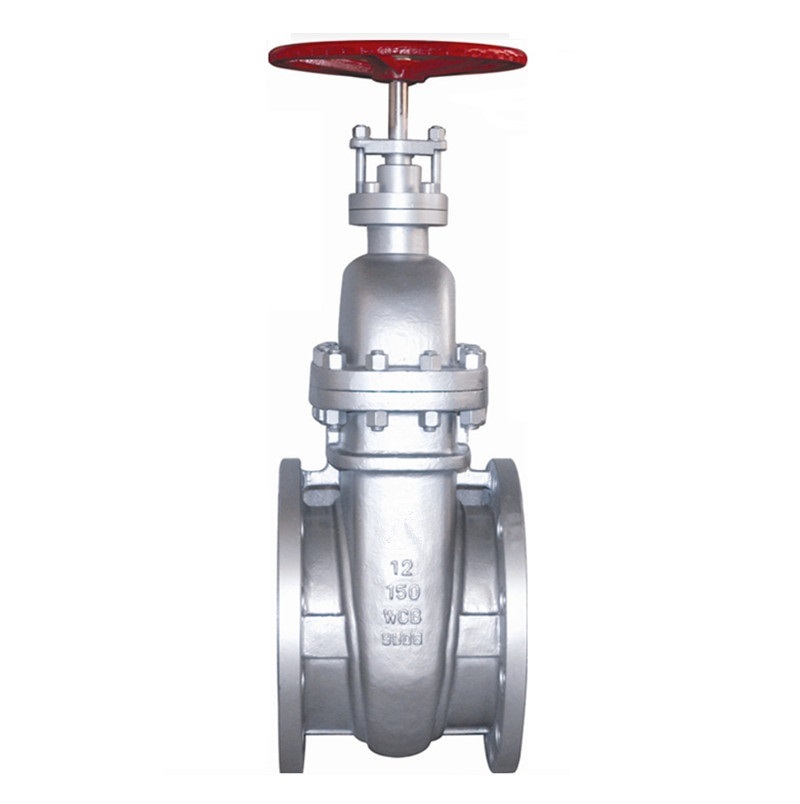
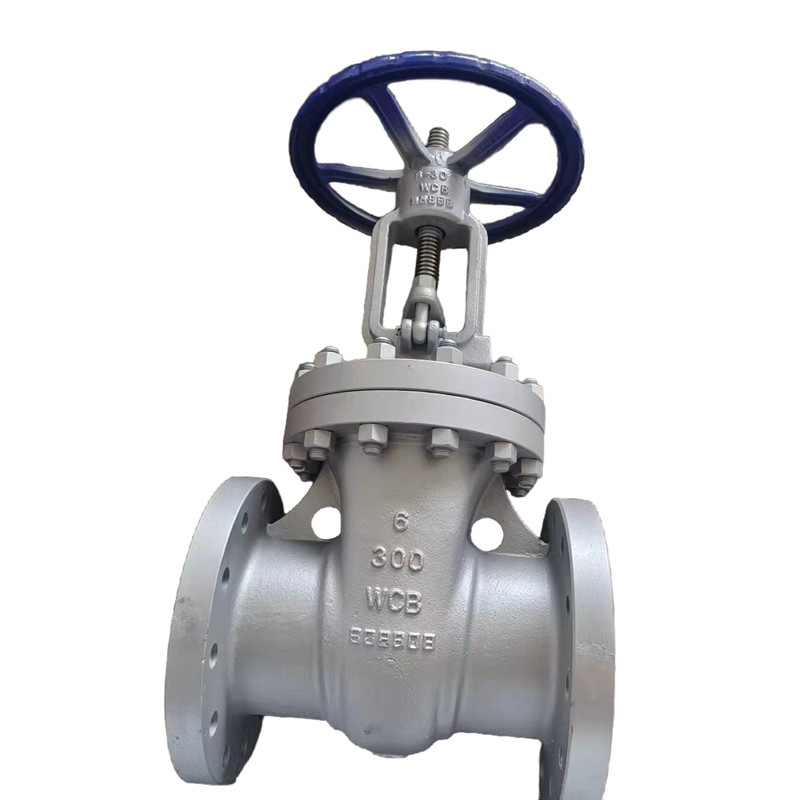
Outside screw and yoke
Rising stem and non-rising handwheel
Flexible wedge, fully guided
Metal-to-metal seat
Renewable seat ring and stem backseat
Manual operation standard, gear operator and actuation available
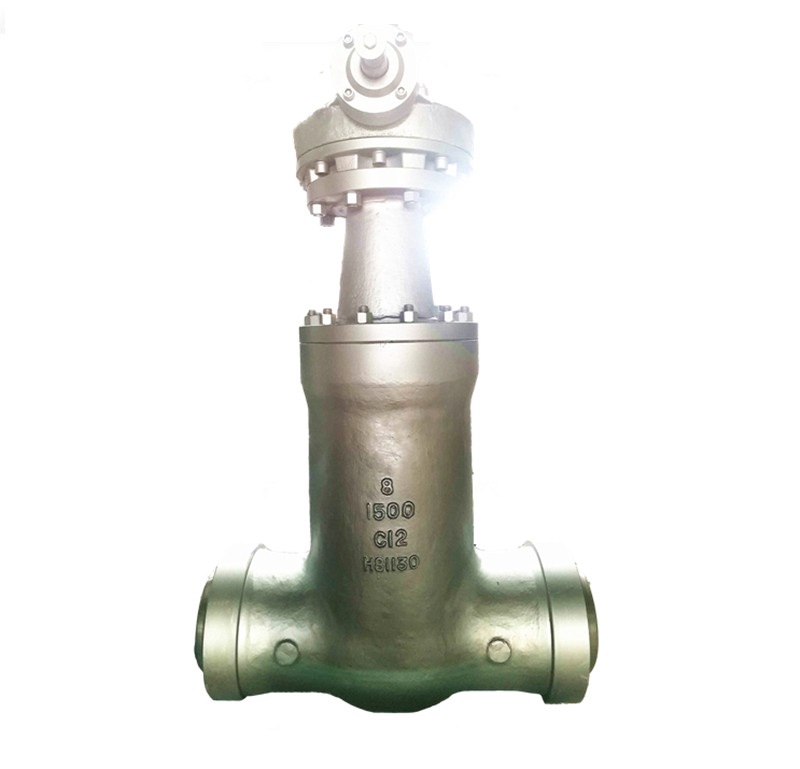
Butt weld end
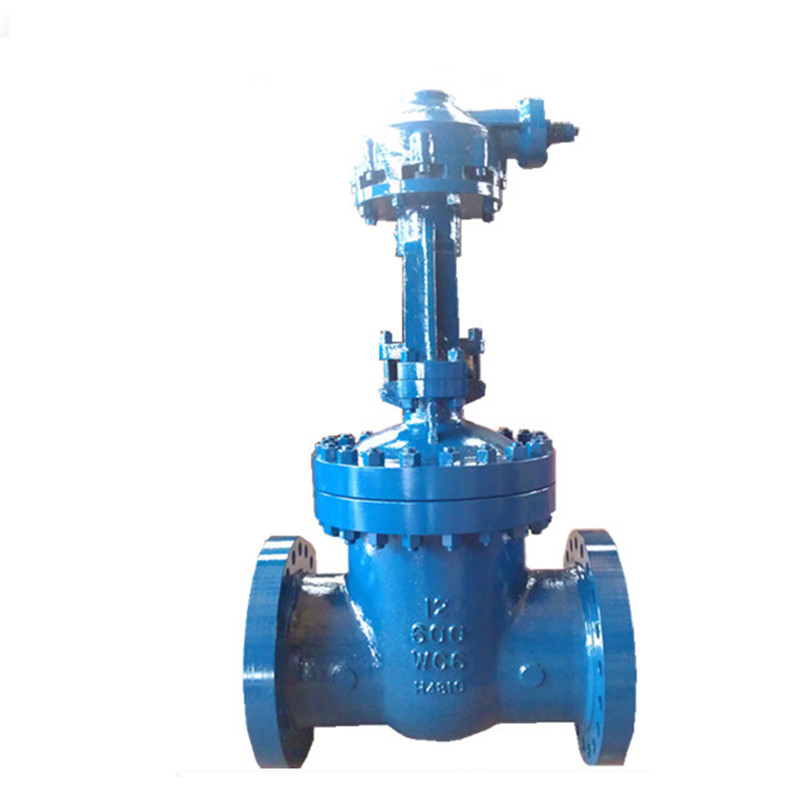
Flange end: raised face or ring type joint
Design & Manufacture standard: DIN3352
Pressure & Temperature standard: ASME B16.34/DIN3230
Face to face dimension standard: ASME B16.10/DIN3202/JIS B2002
Flange standard: ASME B16.5, ASME B16.47/DIN2543-2545-2501/JIS B2220
Test & Inspect standard: API 598, API 6D/DIN2401/JIS B2003.
Size: 1/2”-10”(DN15~DN250)
Pressure Rating: 150LB-600LB/PN16~PN100/10K~60K)
Applications: oil & gas, sewage treatment, water supply, chemical projec
Main material :
Duplex Stainless Steel Gate Valve 4A 2205 5A 2507 CD4MCuN CD3MWCuN
Classification and characteristics of 2205 steel valve gate valve
Classification of connection methods
2205 steel valve gate valve has various connection methods to meet the needs of different working conditions, mainly including flange type, wafer type, welding type, etc.
Flanged gate valve:
Flange connection is the most common valve connection method, suitable for various pressure and temperature conditions. 2205 steel flange gate valve is tightly connected to the pipeline flange by bolts to ensure sealing and stability. Its advantage is that it is easy to install, disassemble and repair, and is widely used in pipeline systems in petroleum, chemical and other industries.
Wafer gate valve:
The wafer connection uses the original flange of the pipeline for clamping and fixing, without the need for additional flanges, and has the characteristics of simple structure, light weight and convenient installation. This connection method is particularly suitable for occasions with limited space or frequent maintenance, such as water supply and drainage systems and fire protection pipelines.
Welded gate valve:
The welded connection directly welds the valve to the pipeline to achieve seamless connection, with the highest sealing and stability. Suitable for high temperature, high pressure or highly corrosive media environments, such as the outlet pipeline of a chemical reactor, and can withstand the test of harsh working conditions for a long time.
Structural classification
2205 steel valve gate valves can be divided into multiple types according to the structure, such as rising stem gate valves, non-rising stem gate valves, parallel gate valves, elastic gate valves, etc. Each structure has its own unique working principle and applicable scenarios.
Rising stem gate valve:
The stem nut of the rising stem gate valve is on the valve cover or bracket. When opening and closing the gate, the stem nut is rotated to achieve the lifting and lowering of the valve stem. This structure is beneficial to the lubrication of the valve stem, the opening and closing degree is obvious, and it is convenient to observe the valve state, and it is widely used.
Non-rising stem gate valve:
The stem nut of the non-rising stem gate valve is in the valve body and is in direct contact with the medium. When opening and closing the gate, the stem is rotated. The advantage of this structure is that the height of the gate valve always remains unchanged, the installation space is small, and it is suitable for gate valves with large diameters or limited installation space. However, an opening and closing indicator must be installed to indicate the opening and closing degree.
Parallel gate valve:
The sealing surface of the parallel gate valve is parallel to the vertical center line, that is, the two sealing surfaces are parallel to each other. This structure is usually used for low-pressure small and medium-caliber (DN40-300mm) gate valves, with the characteristics of simple structure and reliable sealing.
Elastic gate valve:
The elastic gate valve has an annular groove on the periphery of the gate plate, which makes the gate plate have appropriate elasticity. This structure can compensate for the deviation caused by the processing of the sealing surface angle, improve the processability, improve the sealing performance, and is suitable for high pressure and high temperature environments.
Chemical properties and advantages of 2205 duplex steel
Chemical composition analysis
2205 steel is a duplex stainless steel, and its chemical composition contains about 22% chromium (Cr), about 5.5% nickel (Ni), about 3% molybdenum (Mo), and about 0.18% nitrogen (N). Austenite and ferrite dual phase structure (ratio ≈ 50:50), with high strength and corrosion resistance, yield strength ≥ 450 MPa, more than twice that of 304 stainless steel. This unique element ratio gives 2205 steel excellent mechanical properties and corrosion resistance.
Chromium (Cr): Improves the oxidation resistance and corrosion resistance of steel, and is a key element in the formation of passivation film.
Nickel (Ni): Stabilizes the austenite phase and improves the toughness and plasticity of steel.
Molybdenum (Mo): Enhances the corrosion resistance of steel in reducing acid and chloride ion environments.
Nitrogen (N): As an austenite stabilizing element, it improves the strength and pitting resistance of steel.
Performance Advantage Comparison
Compared with the common 304 stainless steel, 2205 steel shows significant advantages in many aspects:
Mechanical properties: The yield strength and tensile strength of 2205 steel are higher than those of 304 stainless steel, and can withstand greater loads and stresses.
Corrosion resistance: In non-oxidizing acids (such as sulfuric acid, acetic acid) and chloride-containing media, the corrosion resistance of 2205 steel is far superior to that of 304 stainless steel, and is particularly suitable for marine environments and chemical corrosion conditions.
Stress corrosion resistance: The dual-phase structure (austenite + ferrite) of 2205 steel effectively prevents the expansion of stress corrosion cracks and is suitable for occasions prone to stress corrosion.
Pitting and crevice corrosion resistance: High chromium, molybdenum, and nitrogen content give 2205 steel excellent resistance to pitting and crevice corrosion, extending the service life of the equipment.
Application fields and working conditions of 2205 steel valves and gate valves
Application industry overview
2205 steel valves and gate valves are widely used in the following industries due to their excellent performance:
Oil and gas: used in oil pipelines and gas wellhead devices to prevent media backflow and cause safety accidents.
Chemical and pharmaceutical: in corrosive medium transportation pipelines, ensure process safety and prevent cross contamination.
Power and Energy: Applied to the circulating water system of thermal power plants and the cooling circuit of nuclear power plants to resist high temperature and high pressure environments.
Seawater desalination and environmental protection: In seawater treatment equipment, it resists chloride ion corrosion and improves equipment durability.
Typical working condition analysis
High pressure and high temperature working conditions:
In the steam pipeline of thermal power plants, 2205 steel gate valves can withstand working temperatures up to 550°C and pressures of 25MPa, ensuring unidirectional flow of steam and preventing backflow damage to equipment due to temperature fluctuations.
Strongly corrosive media:
In the sulfuric acid transmission pipeline of the chemical industry, the corrosion resistance of 2205 steel can effectively resist the corrosion of sulfuric acid and prevent valve failure due to corrosion.
Marine environment application:
In the seawater treatment system of offshore oil platforms, 2205 steel gate valves can resist chloride ion corrosion in seawater for a long time and extend the service life of equipment.
Installation and maintenance of 2205 steel valve gate valve
Installation precautions
Correct installation is the key to ensure the performance of the gate valve. The following matters need to be noted:
Installation location selection:
The gate valve should be installed in a location that is convenient for operation and maintenance. Avoid installing it in a place where sediment may accumulate to avoid affecting the gate action.
Direction confirmation:
It is necessary to ensure that the installation direction of the gate valve is consistent with the flow direction of the fluid, and the arrow indication should be consistent with the flow direction of the medium.
Connection and sealing:
When connecting the flange, a flexible gasket corresponding to the pipeline grade should be used, and the bolts should be tightened evenly and symmetrically to ensure that the force at both ends of the flange is balanced. Welding connections must ensure the quality of the weld to avoid cold welding or slag inclusions.
Operation space:
The installation location should leave enough operating space to facilitate the opening and closing and maintenance of the valve.
Maintenance and maintenance
Regular inspection:
Regularly check the sealing surface, gate and valve stem of the valve, and replace them in time if they are damaged or worn.
Cleaning and maintenance:
Regularly clean the inner cavity and sealing surface of the valve to prevent impurities from accumulating and affecting the closing of the valve.
Lubrication and maintenance:
Properly lubricate the valve stem and other moving parts to reduce wear and extend service life.
China DIN3352 2205 Gate Valve,PN16 2205 Gate Valve,DN80 2205 Gate Valve,RF End 2205 Gate Valve.