


Valve Industry Changes and Effects of the Global Recession
Diverging capital cycles across municipal water treatment, hydrocarbon processing, power generation, and commercial building infrastructure determine how individual suppliers adapt. Successful industrial operations depend on balancing immediate cost control against investments in automated monitoring, fugitive emission containment, and localized supply resilience.
Macroeconomic Pressures on Valve Demand and Manufacturing
Industrial recessions curb baseline production volumes and force processing facilities to postpone noncritical fluid system overhauls. When general economic indicators fall, plant managers face constrained operational budgets that alter purchasing patterns for mechanical hardware across global industrial centers.
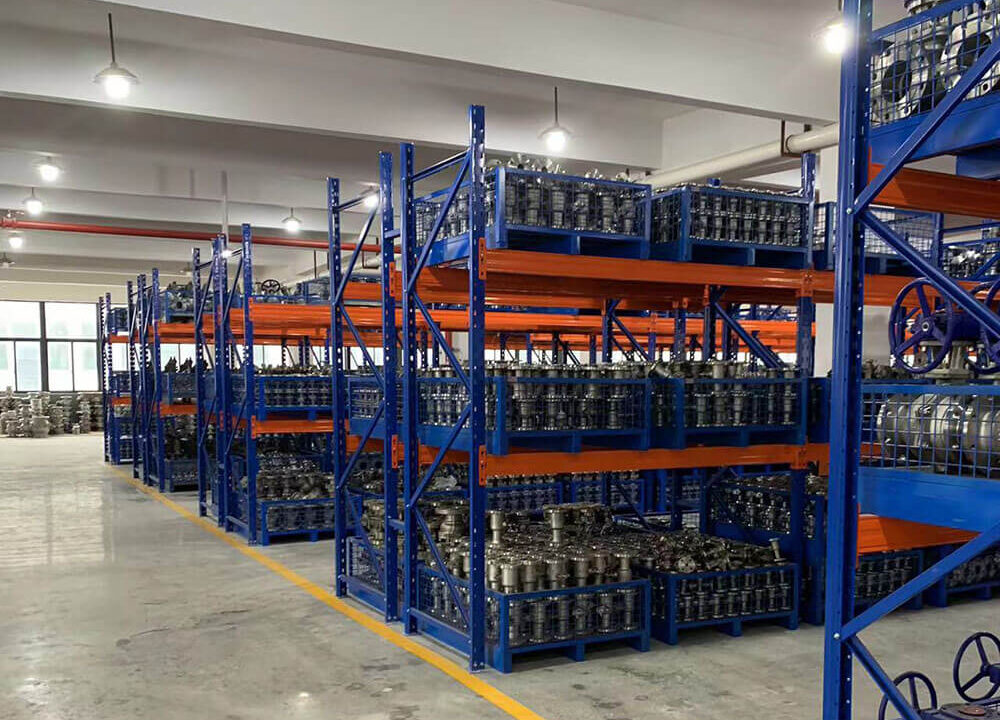
Manufacturing facilities typically respond to declining commercial consumption by running equipment at reduced throughput. Lower throughput prolongs the operational life of existing mechanical seals, throttles, and trim components, which directly softens the routine replacement demand for standard gate, globe, and check assemblies. Fabricators that rely heavily on spot-order catalog sales experience inventory accumulation, leading to production slowdowns and factory floor shifts designed to protect operational cash reserves.
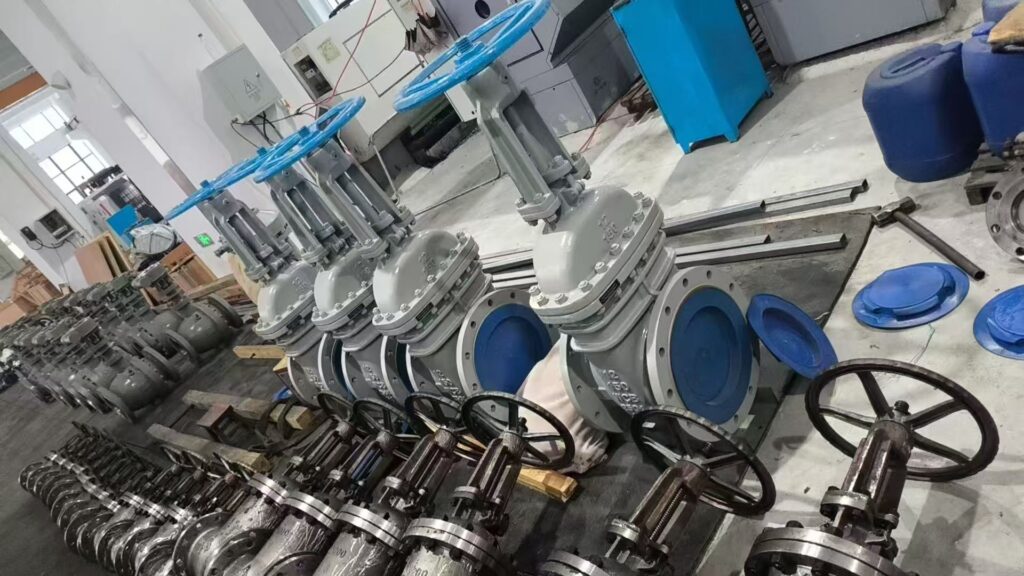
Contractions also reduce regional equipment orders from secondary machine builders, including hydraulic power unit integrators, pneumatic skid builders, and fluid transport packagers. This upstream contraction spreads through the supply chain, impacting cast body foundries, precision machine shops, and elastomer compounders. Mechanical suppliers must carefully manage capacity utilization to prevent overhead deficits while keeping critical production lines ready for specialized valve manufacturing orders.
Economic slowdowns shift operational priorities from new capacity builds to component life extension. Facilities that monitor cycle fatigue and packing integrity preserve capital while maintaining baseline process stability.
Sustained downturns alter the pricing landscape for commodity industrial valves, creating downward pressure on standardized ball and butterfly lines. While high-specification engineered valves maintain margin stability due to custom metallurgical requirements, standard brass and carbon steel inventory faces discounting as distributors clear aging stock. Suppliers that anticipate these shifts protect operating balance sheets by realigning shop floor schedules toward maintenance, repair, and overhaul contracts.
Raw Material Price Volatility and Supply Chain Pressures
Fluctuating raw material valuations during macroeconomic disruptions complicate production planning for industrial valve fabricators. Price swings across scrap metal, foundry pig iron, stainless steel bar stock, and exotic nickel alloys distort procurement timing and create margin uncertainty.
During the onset of an economic downturn, raw metal inventories purchased during peak market pricing remain in warehouse stock, confronting fabricators with elevated carrying expenses while finished valve prices drop. Conversely, sudden scrap shortages or smelting curtailments can trigger sharp price rebounds that squeeze component margins before updated quotes take effect. In response, manufacturing managers must balance minimum inventory holding rules against lead-time risks for forged flanges, bonnet castings, and precision stems.
| Material Category | Cost Exposure | Supply Risk | Primary Management Strategy |
| Acero carbono | Moderado | Moderado | Consolidated quarterly mill orders with indexed pricing agreements. |
| Austenitic Stainless | Elevated | Moderado | Standardization of bar dimensions across multi-valve product families. |
| Nickel Superalloys | Alto | Elevated | Direct customer pass-through surcharges tied to published alloy indices. |
| Ductile Iron | Bajo | Bajo | Regional foundry partnerships with scheduled consignment storage. |
| Fluoropolymer Seals | Moderado | Elevated | Dual-sourcing protocols for molded polytetrafluoroethylene seats and packing sets. |
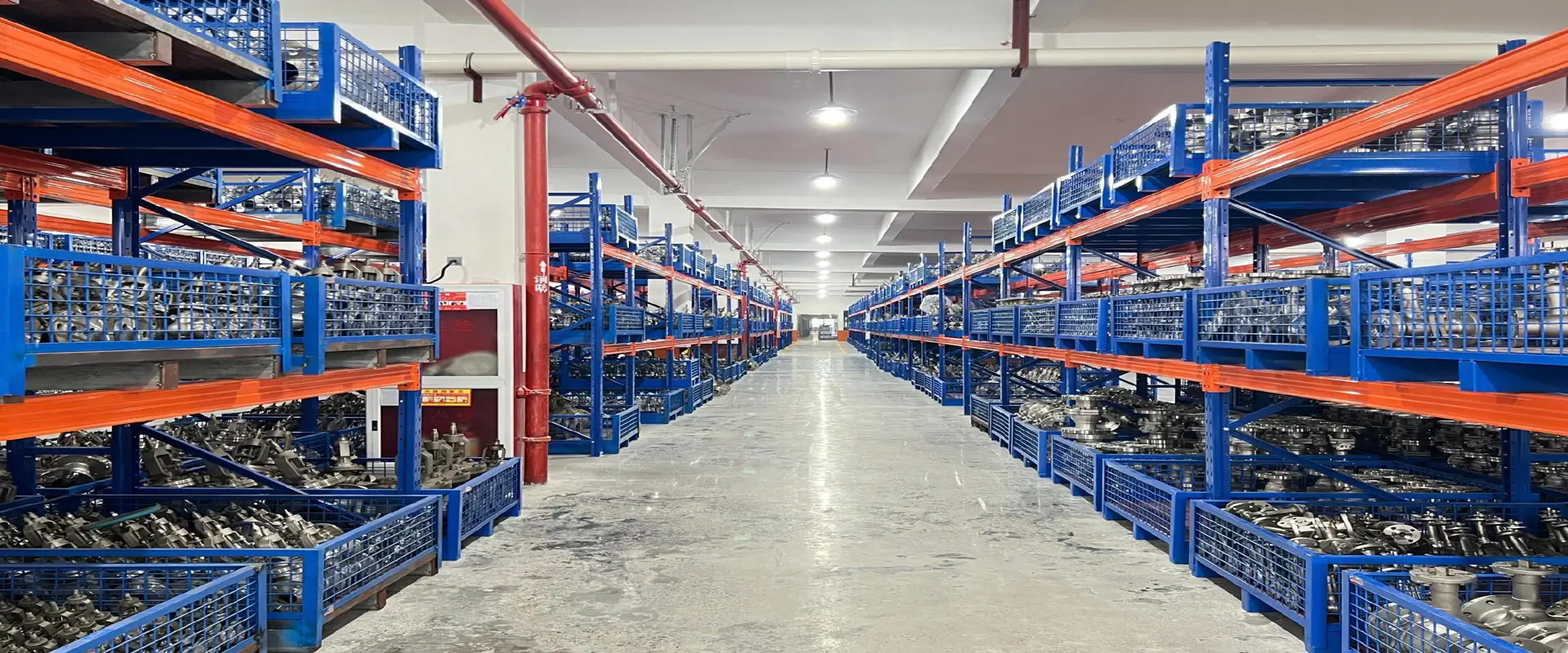
Logistical congestion and irregular freight schedules often accompany global recessions, compounding raw input delays with extended transit windows for intermediate subassemblies. Component parts such as electric actuators, pneumatic positioners, and custom elastomeric diaphragms often cross multiple international borders before final valve assembly. Sourcing teams increasingly address this vulnerability by auditing tier-two suppliers and adopting flexible multi-origin component sourcing models.
Impact of Economic Downturns Across Primary End-Use Sectors
Different industrial sectors display distinct capital expenditure patterns when broader markets contract, resulting in varied demand profiles for valve manufacturers. Understanding these sectoral variations allows equipment producers to allocate manufacturing resources toward resilient fluid handling applications.
Upstream oil and gas operations experience rapid budget contractions during global downturns as declining transportation and manufacturing activity softens fuel consumption. Exploration and drilling projects pause, curtailing demand for high-pressure choke valves, blowout preventers, and specialized subsea manifold valves. In contrast, downstream refining and petrochemical processing plants sustain steady maintenance requirements, requiring steady volumes of replacement control valves, safety relief mechanisms, and severe-service isolation devices to keep ongoing processes safe.
Hydrocarbon and Petrochemical
Upstream wellhead valve expenditures decline sharply during macroeconomic corrections, while midstream pipeline networks and downstream petrochemical facilities preserve targeted maintenance budgets to avoid hazardous containment breaches.
Municipal Utilities and Water
Drinking water infrastructure, municipal wastewater facilities, and regional flood mitigation projects maintain steady public funding during recessions, sustaining stable order volumes for large-diameter gate, butterfly, and check assemblies.

Power generation assets display divergent patterns depending on their operational fuel sources. Traditional thermal and nuclear stations defer major turbine bypass retrofits and boiler valve upgrades during low industrial power demand, focusing only on mandatory pressure safety valve certifications. Renewable power generation, including geothermal and utility-scale hydrogen pilot facilities, often benefits from long-term public infrastructure incentives that cushion suppliers from purely cyclical commercial drops.
Commercial building construction and nonresidential real estate experience deep contractions during macroeconomic recessions, depressing the market for heating, ventilation, air conditioning, and plumbing valves. Institutional projects, including public hospitals and educational facilities, provide a modest counterbalance for hydronic balancing valves and backflow preventers, helping diversified manufacturers balance losses sustained in private commercial construction.
Capital Investment Reductions and Evolving Procurement Strategies
Macroeconomic uncertainty drives facility owners to defer major plant upgrades in favor of routine operational maintenance, changing industrial valve purchasing methods. Procurement teams scrutinize capital expenditure projects, selecting equipment repairs and targeted valve rebuilds over full-skid replacements.
Industrial valve procurement increasingly emphasizes total cost of ownership over initial unit purchase price during downturns. Plant operators recognize that purchasing cheaper, non-certified valves introduces unplanned downtime risks that far outweigh the initial hardware savings. As a result, procurement strategies focus on proven sealing performance, extended mean time between maintenance interventions, and local spare parts availability.
Expansionary Procurement Habits
- Priority placed on rapid shipment for greenfield installation deadlines.
- Broad acceptance of specialized, proprietary valve trim packages.
- Aggressive capital expenditure allocations for complete system replacements.
- Reliance on broad vendor panels across multiple geographic territories.
Recessionary Procurement Habits
- Strict emphasis on lifecycle longevity and documented maintenance intervals.
- Standardization of valve footprints to minimize on-site spare inventories.
- Preference for repair kits, repacking sets, and drop-in trim replacements.
- Consolidation of vendor lists to secure tiered volume terms and service support.
Procurement departments also leverage soft market conditions to renegotiate master service agreements with preferred valve distributors. Facilities seek bundled terms that combine hardware delivery with on-site valve calibration, hydrostatic pressure testing, and certified emission monitoring. By consolidating vendors, industrial operators lower internal administrative costs and secure reliable emergency technical support without carrying excess maintenance staff.
Technological Innovation and Smart Valve Solutions
Economic downturns accelerate the transition from passive fluid regulation hardware to intelligent, sensor-equipped valve assemblies. When plant owners restrict new equipment purchases, they seek digital solutions that extract maximum operating efficiency and predictive maintenance data from existing fluid processing lines.
Smart valves integrate digital positioners, acoustic leak sensors, pressure transmitters, and internal temperature monitors directly into the actuation package. These instruments monitor operational health metrics in real time, detecting internal seat leakage, stem packing friction, and mechanical backlash before structural failures force an emergency shutdown. By identifying developing issues early, operators schedule repair work during routine maintenance windows, avoiding expensive unscheduled outages.
- Digital positioners with continuous loop feedback provide precise flow modulation while logging actuator travel cycles.
- Acoustic emission monitoring modules detect internal turbulent fluid bypass to identify high-pressure seat wear without line dismantling.
- Embedded stem torque sensors alert control rooms to progressive packing degradation or mineral scale accumulation.
- Wireless industrial diagnostic transmitters deliver operating health data directly to supervisory control systems without costly field wiring.
Integrating automated valves with facility-wide industrial networks supports algorithmic flow optimization, reducing energy draw on primary process pumps and gas compressors. As economic pressures incentivize energy conservation, automated throttling valves reduce unnecessary fluid bypass, lowering daily electrical utility expenses. Facilities that adopt automated valve diagnostics lower their ongoing maintenance costs while extending overall equipment longevity.
Energy Efficiency Requirements and Sustainability Initiatives
Stricter environmental regulations and energy conservation mandates continue to transform the industrial valve marketplace despite macroeconomic headwinds. Industrial operations balance capital preservation against the legal necessity of meeting stringent fugitive emission rules and industrial decarbonization targets.
Fugitive emissions escaping from valve stem packing and bonnet gasket joints account for a large percentage of volatile organic compound and greenhouse gas losses in chemical refineries. Regulatory frameworks require industrial plants to identify and fix leaking components quickly or face severe operating fines. Consequently, demand remains strong for certified low-emission valves that comply with standards like ISO 15848-1 and API 641, even when broader plant capital spending slows down.
Low-Emission Valve Advantages
- Reduces costly chemical product losses in petrochemical processing lines.
- Meets strict industrial environmental compliance rules to lower legal liability risks.
- Extends mechanical packing life through advanced live-loaded spring packing designs.
Implementation Limitations
- Carries a higher initial purchase price compared to standard packing assemblies.
- Requires precise bolt torquing protocols and specialized maintenance tools during servicing.
- Demands tighter stem finish tolerances that elevate manufacturing production costs.
Industrial decarbonization initiatives also drive development in cryogenic valves designed for liquefied natural gas handling, carbon capture utilization, and industrial hydrogen systems. Hydrogen distribution requires specialized valve designs featuring helium-leak-tested castings, non-embrittling metallic alloys, and fire-safe sealing systems to contain small gas molecules under pressure. Manufacturers investing in these technical capabilities position their product portfolios for sustained market relevance as industrial energy transitions advance.
Regional Manufacturing Shifts, Nearshoring, and Supply Resilience
Global economic shocks reveal the hidden vulnerabilities of lengthy, single-source international supply chains, prompting valve makers to reconsider their production footprints. Industrial purchasers increasingly demand shorter shipping distances and proven component origin data to protect operational continuity.
Prolonged cross-border supply chain delays and geopolitical uncertainties encourage original equipment manufacturers to expand regional assembly and testing facilities. Nearshoring casting procurement and intermediate machining reduces exposure to oceanic freight bottlenecks and erratic import duties. By moving final valve automation, testing, and specialty coating closer to key industrial customer bases, valve producers cut project turnaround times and improve customer responsiveness.
Localized Sourcing
Contracting with domestic foundries and regional bar stock distributors lowers transoceanic shipping exposure and cuts lead-time variability for specialized castings.
Modular Assembly Centers
Establishing localized distribution centers enables regional stocking of standardized valve bodies that are custom-actuated to order for rapid industrial dispatch.
Redundant Supplier Qualification
Auditing and onboarding secondary component suppliers across diverse geographic zones reduces vulnerability to localized factory halts or border restrictions.

Advanced digital fabrication technologies support this regional manufacturing shift by making domestic short-run production cost-effective. High-precision multi-axis computer numerical control machining centers, automated robotic welding, and additive manufacturing for specialized internal trim components reduce manual labor overhead. These automated manufacturing systems allow regional suppliers to compete with low-wage international producers on specialized, quick-delivery industrial valve packages.
Strategic Manufacturer Responses to Economic Contraction
Surviving and thriving during sustained market downturns requires industrial valve fabricators to implement structured operational disciplines. Companies that adjust overheads while broadening their aftermarket service reach maintain steady cash generation through cyclical downturns.
Successful valve producers routinely shift business resources toward aftermarket field services, valve refurbishment, and certified rebuild operations when new equipment sales soften. Field maintenance and calibration contracts generate predictable cash flow that helps offset slower production floor output during economic contractions. Furthermore, performing factory-authorized valve reconditioning strengthens direct relationships with plant managers, positioning the fabricator as a preferred partner when capital spending resumes.
- Streamline standard component designs by minimizing unique bolt sizes, stem diameters, and seal geometries across different product families.
- Expand aftermarket field service capabilities to include on-site valve testing, actuator calibration, and emergency repacking contracts.
- Diversify product lines across non-cyclical end sectors such as municipal drinking water, pharmaceutical processing, and food production.
- Implement strict inventory management programs that use lean pull-system manufacturing to prevent excess finished goods accumulation.
- Provide drop-in replacement solutions compatible with competitor face-to-face piping dimensions to capture legacy retrofit orders.
Product diversification into resilient industries provides essential stability when heavy sectors like hydrocarbon exploration pull back. Engineering modifications that adapt baseline industrial valve designs for sanitary food processing, pharmaceutical production, or semiconductor ultra-pure water systems help insulate suppliers from localized economic downturns. These high-purity sectors demand rigorous material certifications and clean manufacturing processes that command steady profit margins.
Valve Industry Changes and Effects of the Global Recession: Market Outlook
The medium- to long-term outlook for the global valve market balances immediate cyclical headwinds against powerful, fundamental modernization requirements. Aging industrial fluid infrastructure in developed economies, coupled with expanding clean energy systems, supports ongoing demand for specialized fluid control mechanisms.
Short-term hurdles remain focused on cash flow protection, maintaining skilled assembly technicians, and managing persistent supply cost adjustments. Valve fabricators must protect operating liquidity without stripping away the technical engineering talent required to develop modern, low-emission automated valve platforms. Suppliers that navigate economic contractions with sound capital management emerge with expanded market presence as weaker, undercapitalized competitors exit the market.
Long-term industrial competitiveness favors manufacturers that integrate advanced metallurgy, certified low-leakage packing, and digital position monitoring into standardized, serviceable platforms.
As economic stability returns, deferred facility maintenance creates a backlog of replacement and modernization projects across the process industries. Facilities that deferred mechanical equipment upgrades eventually face reliability thresholds, prompting accelerated valve purchasing cycles. Valve manufacturers positioned with localized inventories, modern certified product lines, and digital monitoring capabilities capture market share during structural industrial recoveries.
Preguntas frecuentes
How does a global recession directly affect industrial valve demand?
Global recessions decrease industrial valve demand primarily through severe cutbacks in new capital construction and project deferrals. Operating plants redirect budgets toward repairing and repacking existing installed valves, lowering the purchase volume of complete new valve assemblies.
Why are smart valve solutions becoming more popular during economic downturns?
Smart valves offer diagnostic sensors and digital feedback that help facilities identify mechanical wear and internal leakage before unexpected shutdowns happen. This predictive monitoring lowers ongoing maintenance expenses and protects operational continuity when plant operating budgets are tight.
Which end-use sectors remain most resilient for valve manufacturers during recessions?
Municipal water treatment, wastewater management, and pharmaceutical manufacturing display steady resilience during economic downturns. These public health and utility sectors depend on steady public funding and continuous operation, avoiding the steep capital cuts seen in commercial construction or upstream energy.
How do environmental emissions standards influence valve procurement during downturns?
Stricter environmental emission regulations compel plant operators to purchase certified low-leakage valves despite tight capital budgets. Facilities install low-emission valve packings to comply with air quality mandates and avoid costly regulatory penalties or product losses.
What actions help valve suppliers manage supply chain disruptions in a weak economy?
Valve suppliers lower supply risks by nearshoring critical casting orders, standardizing internal components, and partnering with secondary regional machine shops. Maintaining localized inventory hubs for modular actuators and standardized valve bodies helps fabricators fulfill emergency orders without excessive carrying costs.
Navigating Structural Changes in the Valve Marketplace
Macroeconomic contractions challenge the industrial valve marketplace by compressing capital expenditure budgets and altering historical supply chain models. Facilities and equipment manufacturers that navigate these periods successfully prioritize lifecycle durability, automated diagnostic monitoring, and flexible regional sourcing. By aligning operational capabilities with fundamental efficiency and environmental containment demands, industrial stakeholders build long-term operational resilience.