


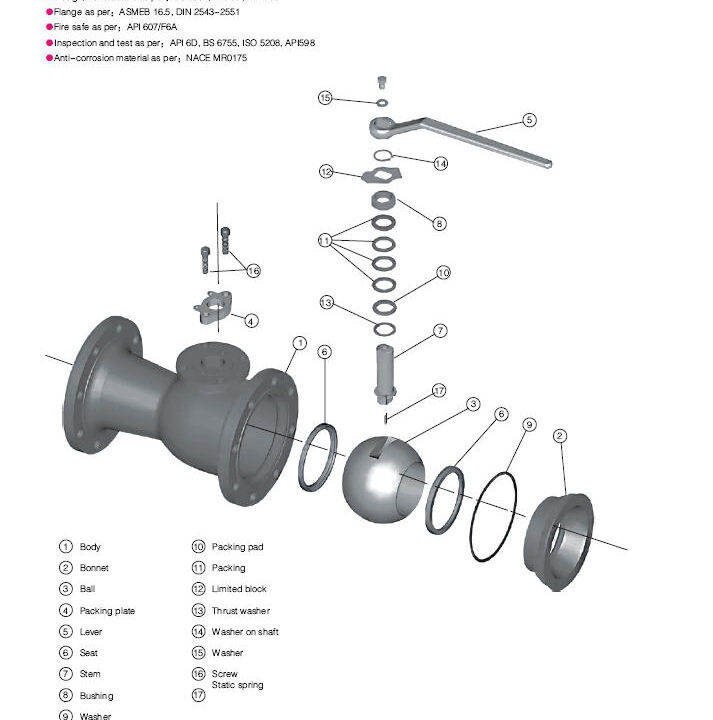
Different Materials of a Ball Valve
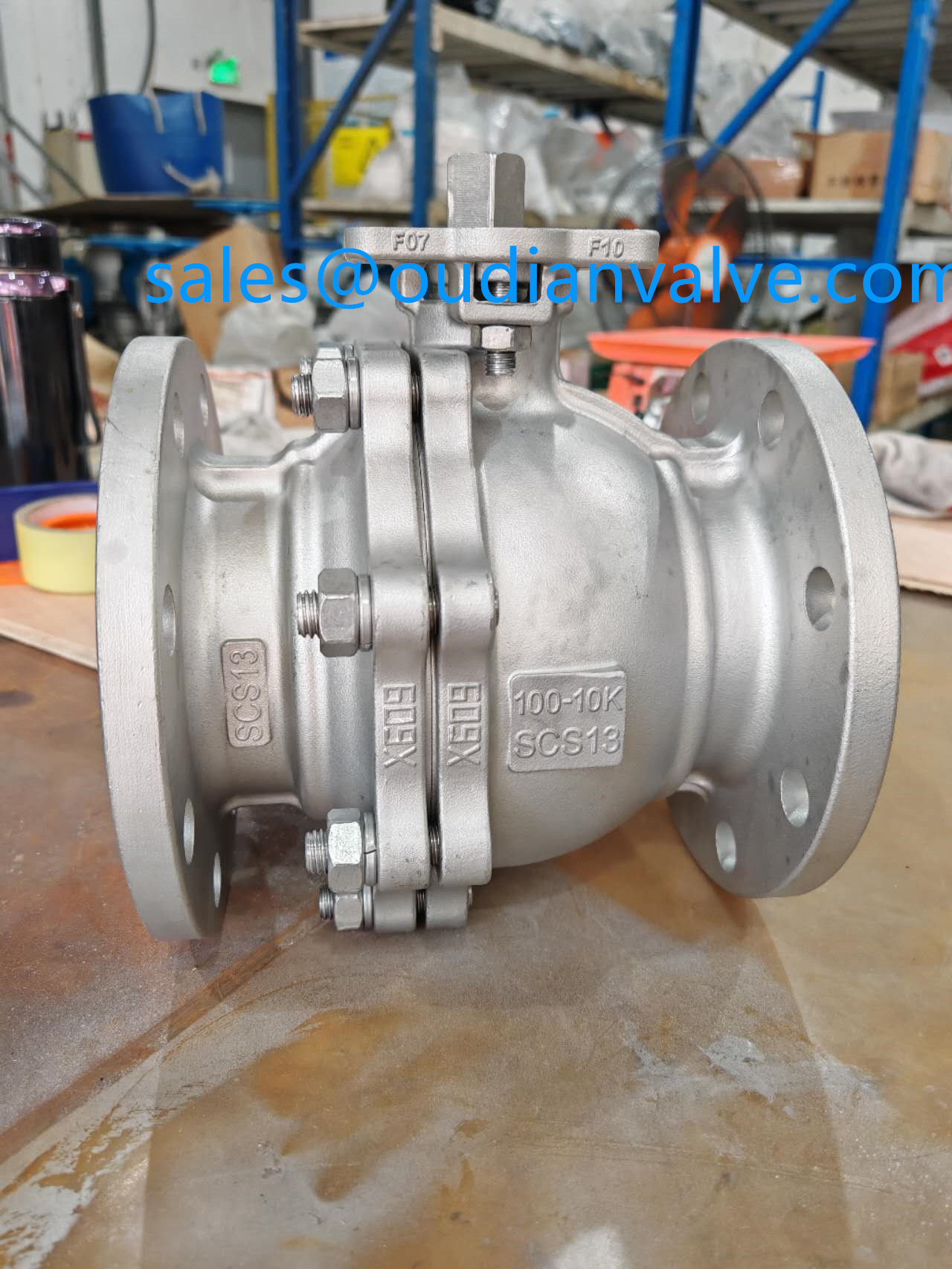
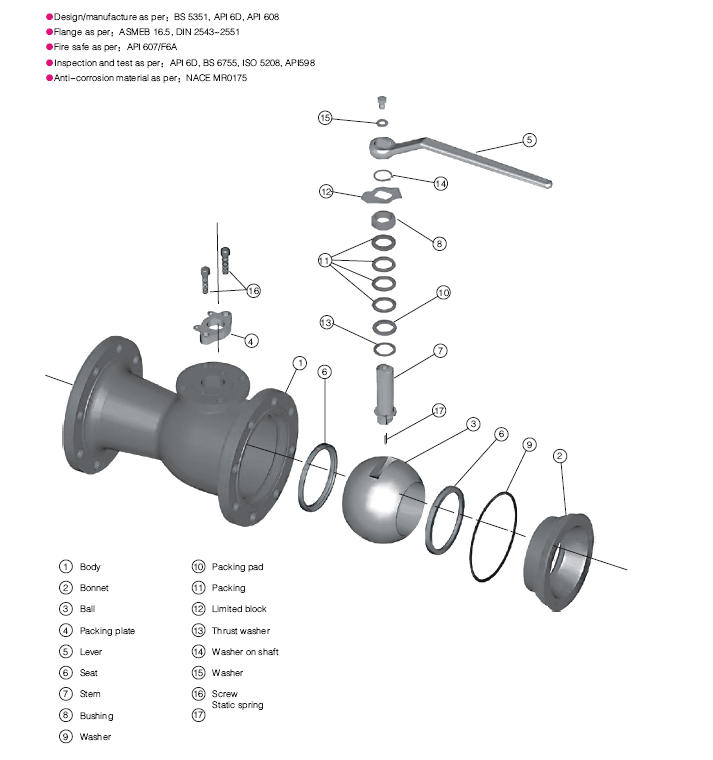
Primary Valve Components and Material Demands
A ball valve relies on multiple distinct components working together under pressure, each facing unique mechanical stress and chemical exposure. Selecting appropriate materials requires analyzing the specific role of the pressure boundary, the flow-control element, and the sealing interfaces.
The valve body constitutes the primary pressure boundary and must resist external environmental weathering alongside internal pipeline loads. The ball and stem encounter dynamic mechanical friction during quarter-turn actuation, requiring materials with high tensile strength and galling resistance. Meanwhile, soft seats and stem packing manage line isolation and dynamic sealing, demanding resilient compounds that conform to polished surfaces without degrading.
Body and Bonnet
The outer shell bears mechanical pipe stress, line pressure, and environmental exposure. Ductile metals or rigid thermoplastics maintain structural rigidity to prevent internal misalignment.
Ball and Stem Trims
Moving elements experience rotational torque and direct impingement from high-velocity media. Hardened metals or reinforced polymers prevent surface scoring and stem deformation.
Seats and Seals
Flexible polymers and resilient elastomers sit between the moving ball and stationary body. These soft goods prevent external leakage and establish positive shutoff across the seat ring.
Metallic Body Materials: Carbon Steel, Stainless Steel, Brass, and Bronze
Metallic alloys dominate high-pressure and high-temperature services where structural toughness and fire safety are paramount design requirements. Engineers choose among carbon steels, stainless grades, brass, and bronze based on corrosive attack profiles and mechanical strength thresholds.
Carbon steel provides excellent mechanical properties, high tensile durability, and resistance to structural fatigue in demanding industrial environments. Stainless steel grades, notably 316 and 304, add chromium and nickel content to resist oxidation, pitting, and aggressive chemical washing. Brass and bronze offer ductile, spark-resistant solutions ideal for municipal water, non-potable utility lines, and marine environments where saltwater corrosion quickly degrades unprotected ferrous metals.
Advantages of Metallic Alloys
- Exceptional tensile strength and pressure containment in severe industrial systems.
- Broad thermal tolerance extending from cryogenic extremes to superheated steam.
- Natural fire resistance and physical resistance to pipeline stress and vibration.
Limitations of Metallic Alloys
- Higher raw material weight and greater baseline manufacturing expenditure.
- Susceptibility to galvanic reactions and chemical pitting when alloys are mismatched.
- Increased torque requirements compared to lightweight thermoplastic assemblies.
When selecting brass or bronze, evaluating the presence of dezincification risks in soft water or aggressive soils is essential for long-term pipeline integrity. Carbon steel assemblies typically require protective external coatings or cathodic protection in outdoor installations, whereas stainless steel maintains a self-healing passive chromium oxide film that simplifies atmospheric maintenance.
Thermoplastic Materials: PVC and CPVC in Fluid Handling
Thermoplastics serve as impervious fluid-handling solutions in applications where metal alloys suffer rapid corrosion or cause unwanted ionic contamination. Polyvinyl chloride (PVC) and chlorinated polyvinyl chloride (CPVC) represent the primary rigid plastics utilized in industrial and commercial piping networks.
PVC offers an economical, lightweight barrier against inorganic acids, alkalis, and saline solutions commonly encountered in water treatment and agricultural irrigation. CPVC incorporates additional chlorine into the polymer backbone, increasing its physical rigidity and thermal resilience for hot fluid lines. While both materials eliminate galvanic rust and scaling, they remain vulnerable to aromatic hydrocarbons, mechanical impact, and extreme pipeline pressures.
Standard PVC Characteristics
- Economical option for cold water distribution and drainage.
- Inert resistance to common acids, salts, and caustic bases.
- Lightweight structure reduces line support requirements.
- Vulnerable to thermal softening when fluid temperatures rise.
Industrial CPVC Characteristics
- Enhanced molecular structure handles higher fluid temperatures.
- Suitable for hot acid transfer and corrosive chemical processing.
- Resists internal scaling and biological fouling over time.
- Higher unit cost compared to basic standard PVC alternatives.
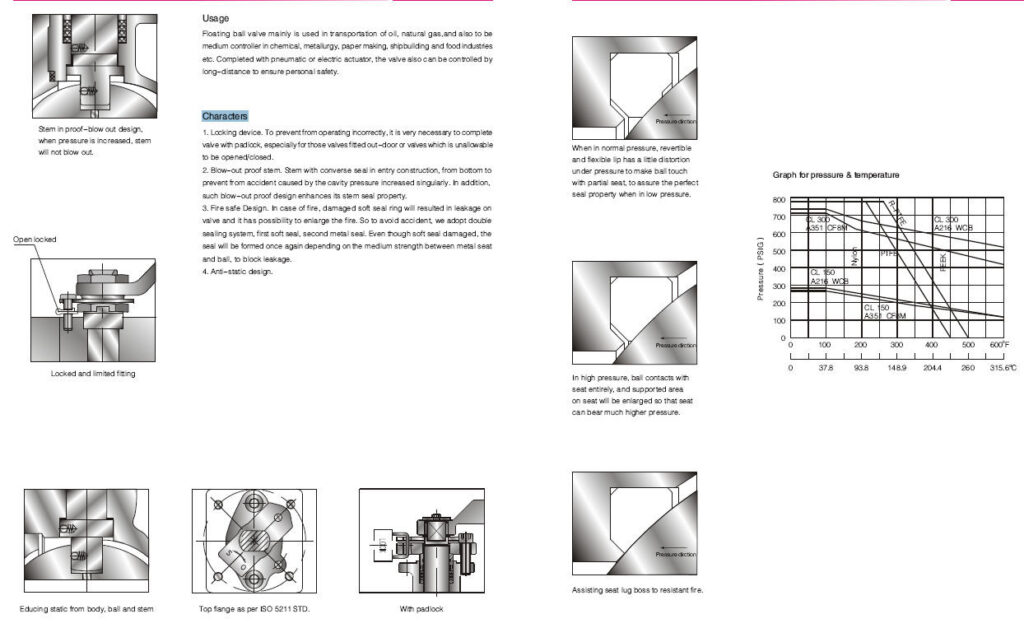
Seat and Seal Formulations: PTFE and Elastomers
The sealing capability of a ball valve depends on non-metallic compounds positioned between the ball, body cavity, and operating stem. Selecting the appropriate seating material balances rotational torque, leak-free sealing, and resistance to chemical swelling.
Polytetrafluoroethylene (PTFE) serves as the primary seating material due to its low coefficient of friction and broad chemical compatibility. Virgin PTFE conforms tightly to metallic spheres, while reinforced formulations incorporate glass, carbon, or stainless steel powders to prevent cold flow under heavy mechanical loads. For secondary stem seals and body O-rings, synthetic elastomers such as Viton (FKM), EPDM, and Nitrile (NBR) provide elastic recovery to seal pressurized line fluids.
Matching the elastomer seal compound to the transported medium prevents premature O-ring degradation. EPDM excels in steam and glycol systems but degrades rapidly in hydrocarbon service, whereas FKM delivers superior oil and solvent compatibility.
Routine maintenance protocols focus heavily on monitoring these resilient soft goods for signs of hardening, extrusion, or chemical embrittlement. Clean operating media and inline filtration protect seating faces from particulate scoring, which preserves tight shutoff throughout routine system cycling.
Comparing Ball Valve Materials Across Key Criteria
Different materials offer distinct trade-offs between physical resilience, chemical inertness, thermal thresholds, and total installation costs. Evaluating these metrics alongside the physical properties of the process medium clarifies the optimal valve selection.
| Material Type | Corrosion Level | Mechanical Strength | Primary System Applications |
| Carbon Steel | Moderate | High | Oil production, steam systems, and utility lines |
| Stainless Steel | Excellent | High | Chemical processing, food production, and marine sites |
| Brass & Bronze | Good | Moderate | Municipal water, plumbing lines, and compressed air |
| Standard PVC | Excellent | Low | Water treatment, irrigation, and mild acid transfer |
| Engineered CPVC | Excellent | Moderate | Hot corrosive chemical lines and wastewater handling |
| PTFE Trim | Superior | Moderate | Universal soft seating across critical process valves |
While thermoplastic valves present lower acquisition and installation costs, metallic valves deliver mechanical margins that withstand unexpected hydraulic shocks. Selecting noble metals or reinforced plastics for severe operating conditions minimizes long-term downtime and repairs.
Factors for Selecting the Right Ball Valve Material
Determining the ideal valve material requires a comprehensive assessment of line dynamics, ambient environment, and operating conditions. Overlooking trace chemicals or ambient moisture levels can lead to unexpected body cracking or seat extrusion.
System designers evaluate specific operating variables before finalizing material specifications for bodies, stems, and elastomeric seals.
- Fluid Compatibility: Verify that all wetted parts resist chemical attack, stress corrosion cracking, and swelling caused by the specific fluid or gas.
- Operating Pressure: Match pressure containment ratings to normal operating levels and potential hydraulic surge spikes in the piping layout.
- Thermal Demands: Account for continuous operating temperatures as well as cleaning cycles, thermal expansion, and ambient freeze risks.
- Environmental Corrosivity: Consider external atmospheric exposures, such as salt-laden coastal air, buried soil chemistry, or chemical plant washdowns.
- Budgetary Allocation: Balance upfront procurement costs against anticipated operational lifespan, routine maintenance schedules, and replacement labor.

Frequently Asked Questions
Why is stainless steel often chosen over carbon steel for ball valves?
Stainless steel contains chromium and nickel, which form a protective passive layer that resists rust, chemical attack, and fluid contamination. Carbon steel offers comparable mechanical strength but requires external protective coatings to resist rust in moist or corrosive process environments.
What is the primary difference between PVC and CPVC ball valves?
CPVC undergoes a chlorination process that enhances its molecular stability, allowing it to withstand higher fluid temperatures than standard PVC. Standard PVC serves well in ambient water systems, whereas CPVC handles hot chemical transfer and demanding industrial wastewater applications.
How does seat material affect ball valve performance?
Seat materials define the sealing tightness, actuation torque, and maximum operating temperature of the valve assembly. Resilient fluoropolymers like PTFE offer bubble-tight shutoff with low friction, while filled polymers resist deformation under higher line pressures.
When should bronze or brass ball valves be used?
Brass and bronze ball valves excel in potable water plumbing, utility air distribution, and marine cooling systems. These copper alloys provide natural corrosion resistance against water and salt spray while offering spark-resistant mechanical characteristics.
Can thermoplastic ball valves handle high-pressure gas service?
Thermoplastic ball valves are generally avoided in high-pressure gas applications due to the risk of brittle material failure under rapid compression or physical impact. Metallic bodies made of forged carbon or stainless steel provide the structural ductility necessary for safe compressed gas containment.
Choosing the Optimal Ball Valve Construction
Selecting suitable ball valve materials requires aligning line chemistry, operating pressures, and thermal demands with the strengths of metallic alloys, thermoplastics, and fluoropolymer seats. Specifying compatible alloys for the body and resilient compounds for dynamic trims prevents premature leaks and structural degradation. Thorough material evaluation supports safe, stable process control across municipal, commercial, and industrial piping networks.