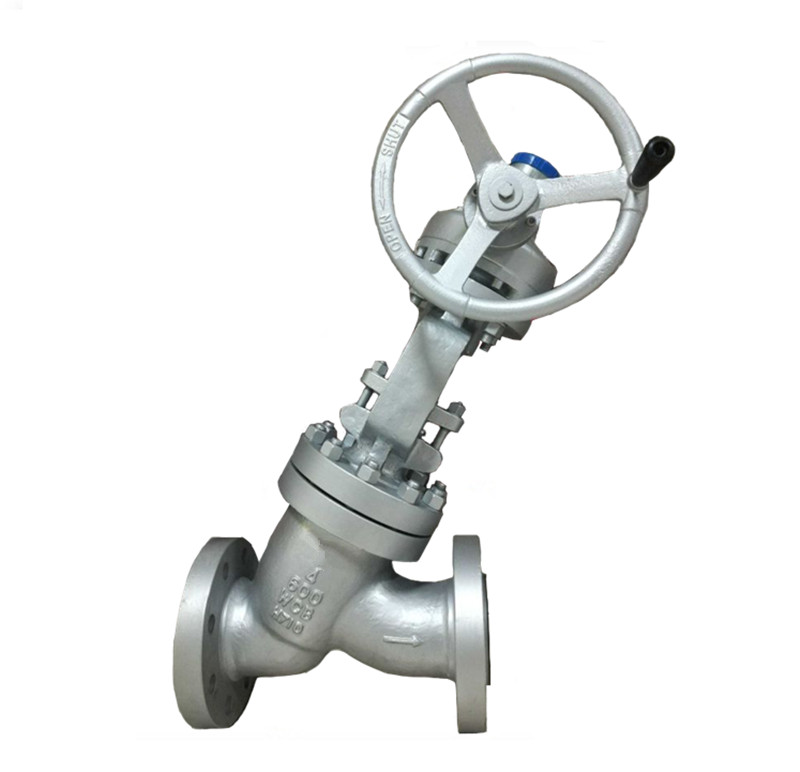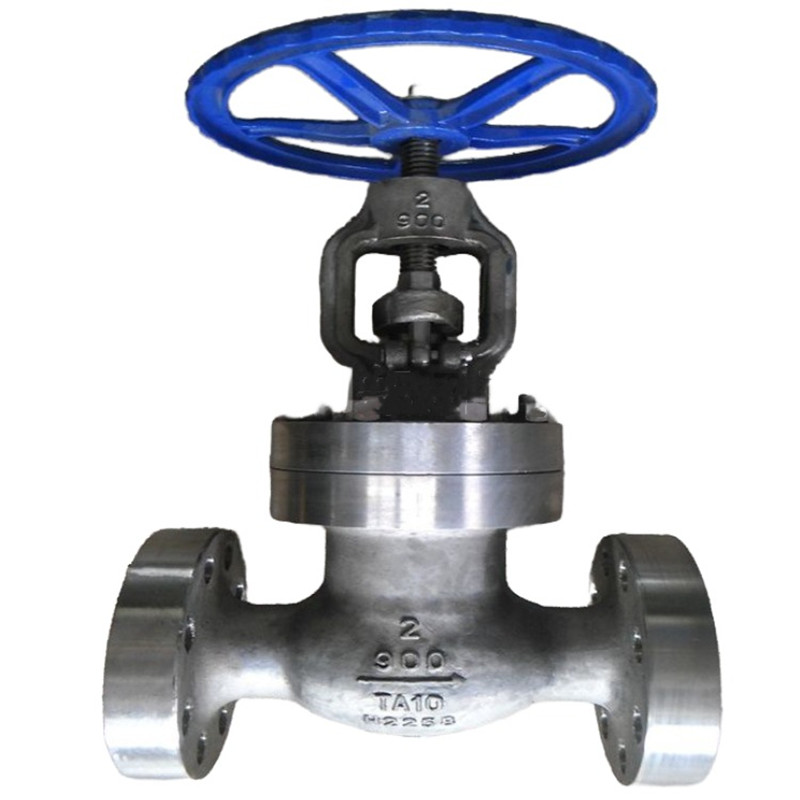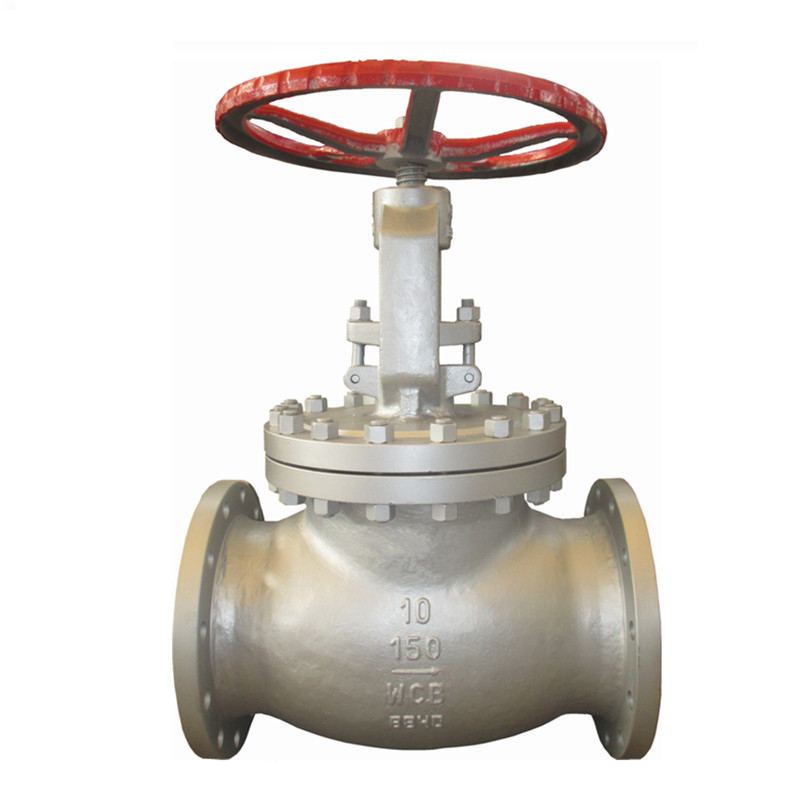


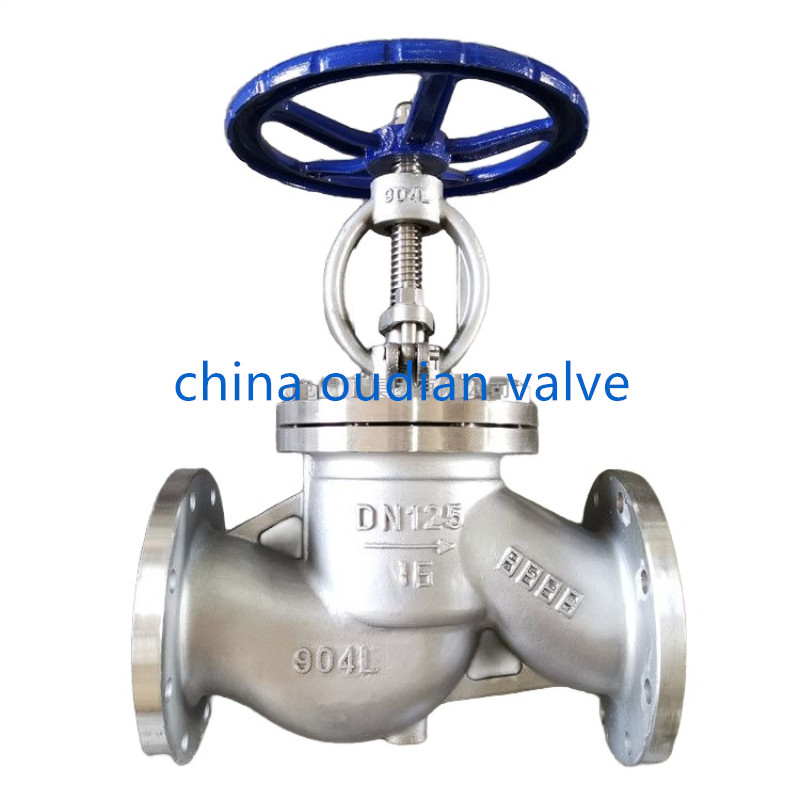
904L Globe Valves,DIN 3356,DN125,PN16
DIN 3356 904L Globe Valve ,China 904L Globe Valve Manufacture, DN125 904L Globe Valve ,PN16 904L Globe Valve
904L Globe Valve (Super Austenitic Stainless Steel)
🧱 Material Core Properties
- Composition: 19–23%Cr + 23–28%Ni + 4–5%Mo + 1–2%Cu + C≤0.02%
- Strength: Tensile ≥490 MPa; Yield ≥215 MPa — lower strength than duplex 2507, but far better corrosion resistance in reducing media
- Corrosion Resistance:
✅ Excellent in dilute sulfuric acid, phosphoric acid, organic acids (acetic/formic), alkalis, seawater, brine
✅ Superior resistance to pitting, crevice corrosion, and stress corrosion cracking (SCC) vs 316L/317L
❌ Not suitable for strong oxidizing acids (e.g., concentrated nitric acid) — worse than 316L here
- Temperature: Stable from -196°C up to 400°C; no brittleness; fully austenitic, non-magnetic
- Features: Excellent weldability & formability; no post-weld heat treatment needed
⚙️ Main Specifications
✅ Design Standards
- Design: API 600, API 6D, ASME B16.34, EN 12516
- Dimensions: ASME B16.10 / B16.5, EN 558
- Test: API 598, EN 12266; NACE MR0175 optional
✅ Size & Pressure
- Size: DN15–DN600 (NPS ½″–24″)
- Pressure: Class 150–1500 / PN16–PN100
- Temperature: -50°C ~ +380°C (continuous); max 400°C short-term
✅ Structure & Type
- Model: J41W (straight-through), J44W (angle), J45W (Y-type)
- Bonnet: Bolted bonnet (BB), pressure-seal bonnet (high pressure)
- Stem: Outside Screw & Yoke (OS&Y) or inside screw
- Seal: Metal-to-metal; hardfaced (Stellite) or solid 904L disc/seat
- Connection: Flange RF/RTJ, Butt Weld, Socket Weld
✅ Standard Material List
| Part | Material |
|---|---|
| Body / Bonnet / Disc / Seat | 904L / UNS N08904 / 1.4539 |
| Stem | 904L / Alloy 625 (high strength) |
| Packing | PTFE, graphite, or high-temperature fiber |
| Gasket | Spiral wound (graphite + 904L ring) |
| Fasteners | Alloy 20 / Hastelloy C4 (to avoid galvanic corrosion) |
Key Advantages
- Best for Reducing Acids: #1 choice for dilute sulfuric acid (<10%, <40°C) — outperforms 2205/2507/Alloy 20 here
- Superior Chloride Resistance: Resists seawater, brine, salt solutions; better than 316L/317L, close to 6Mo
- Precise Flow Control: Globe valve design — ideal for throttling, regulation, and frequent adjustment (far better than gate valve)
- Zero Leakage: Tight sealing; suitable for toxic/valuable media
- Long Service Life: 4–6x longer than 316L; low maintenance
- Weld-Friendly: Low carbon → no intergranular corrosion after welding
Typical Applications
- ✅ Chemical: Sulfuric acid, phosphoric acid, acetic acid, formic acid, bleaching solutions
- ✅ Petrochemical: Refining, alkylation units, acid regeneration
- ✅ Desalination: SWRO, brine systems, high-salinity water
- ✅ Marine: Seawater cooling, offshore platforms, saltwater pipelines
- ✅ Pulp & Paper: Bleach plants, chemical recovery
- ✅ Pharmaceutical / Food: High-purity corrosive processes
- ✅ Pollution Control: Flue gas scrubbing, waste acid treatment
Comparison: 904L vs 2507 vs Alloy 20 vs 316L
| Item | 316L | Alloy 20 | 904L | 2507 Duplex |
|---|---|---|---|---|
| Structure | Austenitic | Austenitic | Super Austenitic | Dual-Phase |
| Strength | Medium | Medium | Medium | Very High |
| Sulfuric Acid | Poor | Good | Excellent | Good |
| Chloride Resistance | Low | High | Very High | Excellent |
| Max Temp | 450°C | 400°C | 380°C | 320°C |
| Sour Service | No | Limited | Good | Best |
| Cost | Low | High | High | Very High |
| Best Use | General | Mixed acids | Reducing acids + chloride | High pressure + severe corrosion |
Quick Selection Rule
- Choose 904L = dilute sulfuric, organic acids, seawater, need good formability/weldability
- Choose 2507 = high pressure, sour gas, high chloride, higher strength needed
- Choose Alloy 20 = sulfuric acid at higher concentrations/temperatures
Installation & Operation Notes
- Galvanic Isolation: Never connect directly to carbon steel; use gaskets/insulation to avoid corrosion
- Welding: Use matching filler (ER385); no post-weld heat treatment required
- Operation: Perfect for regulation/throttling; can be used for frequent opening/closing
- Cleaning: No carbon steel tools/wire brushes; avoid iron contamination
- Limit: Do NOT use in concentrated nitric acid or strong oxidizers
FAQ: 904L Globe Valve
Complete frequently asked questions covering material, performance, selection, installation, operation, maintenance, and comparison — tailored for engineering, procurement, and on-site use.
Material & Basic Properties
Q1: What is 904L? What does UNS N08904 / 1.4539 mean?A: 904L is a super-austenitic stainless steel with ultra-low carbon content (C ≤ 0.02%).- UNS N08904 = Unified Numbering System standard
- 1.4539 = European (EN) material number
- Composition: 20%Cr, 25%Ni, 4.5%Mo, 1.5%Cu
- Copper addition gives excellent resistance to reducing acids — its unique advantage.
Q2: Why choose 904L instead of 316L, 317L, or Duplex 2205/2507?A:- ✅ vs 316L/317L: 3–5x better corrosion resistance, especially in dilute sulfuric, phosphoric, and organic acids
- ✅ vs 2205/2507: Far better performance in reducing acids (duplex alloys fail rapidly here); better formability & weldability
- ✅ vs Alloy 20: Similar acid resistance, but better thermal stability and less risk of intergranular corrosion
✅ Best use case: Reducing acids + chlorides + need for good fabrication properties
Q3: Is 904L magnetic?A: No. It is fully austenitic — non-magnetic in all conditions, even after cold working or welding.Q4: What is the temperature and pressure limit?A:- Temperature: -50°C ~ +380°C continuous; max 400°C short-term
- Pressure: Standard Class 150 – 1500 / PN16 – PN100
- Note: Strength is lower than duplex; for >Class 600, verify wall thickness design.
Q5: Does 904L resist seawater and chlorides?A: Yes, very good — better than 316L/317L, good for brackish water, brine, and low-to-medium velocity seawater.
❌ Limit: Not recommended for high-velocity pure seawater (>2m/s) or hot brine (>60°C) — use 2507 / 254 SMO instead.
Q6: What media is 904L NOT suitable for?A:
❌ Concentrated nitric acid, strong oxidizing media (worse than 316L)
❌ Hydrofluoric acid, fluorides
❌ Hot concentrated caustic (>120°C)
❌ Media containing free sulfur trioxide
Design & Technical Specification
Q7: What are the standard design codes for 904L globe valves?A:- Design: API 600, ASME B16.34, EN 12516
- Face-to-face: ASME B16.10, EN 558
- Flange: ASME B16.5, ASME B16.47, HG/T20592
- Test & Inspection: API 598, EN 12266
- Material: ASTM A182 F904L, ASTM A351 CK3MCuN
Q8: What are the common model numbers?A:- J41W: Straight-through globe valve, flange connection
- J44W: Angle-type globe valve
- J45W: Y-type globe valve (lower pressure drop)
- Suffix meaning: W = all metal seal; Y = Stellite hardfaced; PTFE/Graphite for soft seal